
The Lost Enchantment of Tech Innovations
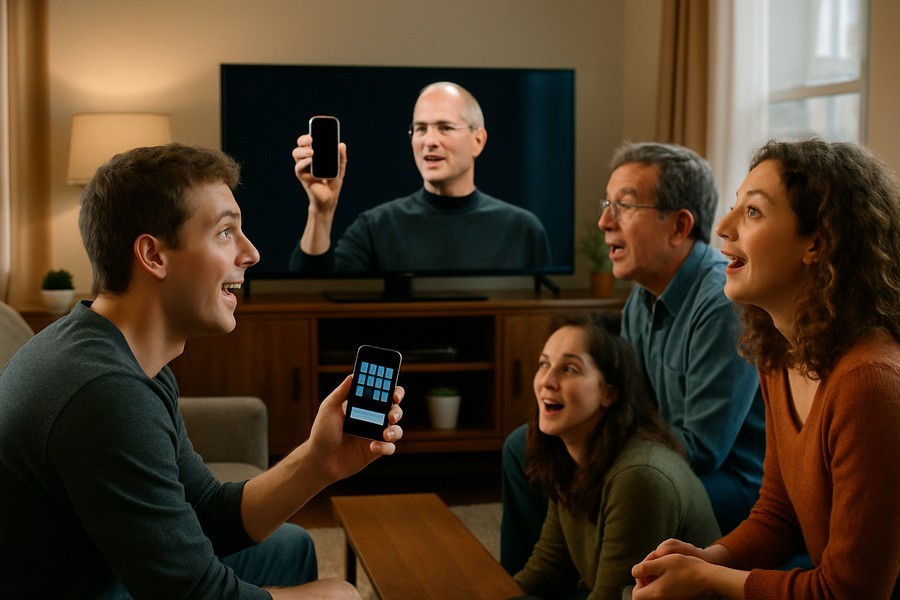
Picture the time when a tech revolutionary introduced the first iPhone to the world. It was a moment that changed everything. Although mobile phones were not new, this one stood out for its high-tech features and sleek design. It was so advanced it seemed unreal, yet so well-crafted it felt like it was meant to be. Everyone, not just tech enthusiasts, was thrilled. It was like a scene from a sci-fi movie, except this time, the future was within reach for a mere $500.
The Sci-Fi Origins of Today's Tech
The first iPhone was often compared to gadgets from the Star Trek series. The creator of this series, Gene Roddenberry, envisioned a future where technology would liberate us from the mundane aspects of life. Meanwhile, Philip K. Dick, a prophet of the future, predicted a dystopian future dominated by intrusive corporations and terrifying tech realities.
The Shift in Tech Perception
So, what happened? How did we go from seeing each tech advancement as a step towards utopia to fearing it as a potential harm?
The Source of Tech Hype
It's easy for tech leaders to talk about "paradigm shifts" and "world-changing technology", but people usually don't get hyped for tech products that promise to cure diseases. Instead, we get excited about products that simplify our daily lives. The first iPhone was a hit because it solved several small but frustrating issues we faced daily. Its success set a high bar for future tech products.
From Thrill to Apathy
Fast forward to today, and we find ourselves in an era of minor updates instead of industry-defining breakthroughs. The new phone models we see today offer slightly better cameras, marginally different sizes, and AI features that no one is asking for. These alterations hardly justify the high costs and don’t create the same excitement as before.
Technological Clutter
Nowadays, buying a new tech product often means downloading another app, setting up another account, and managing another subscription. It’s a hassle, and consumers are tired of it. In other words, our tech products, which were supposed to make life easier, are doing the opposite.
The Infiltration of AI
Even if consumers aren't particularly excited about it, artificial intelligence has made its way into almost every aspect of our lives, from toothbrushes to baby strollers. But despite the buzz surrounding AI, we're still missing the 'so what?' factor.
From Indifference to Fear
Increasingly, consumers are asking more critical questions about new technology. "Is AI going to take my job?" "Is it going to ruin humanity?" Tech companies aren't doing a great job of explaining the benefits of AI or scaling back its use. If they can't make our lives easier, they'll try to make us dependent on their products.
The Future of Tech
"Perhaps in 10 to 20 years, we might see another game-changing innovation like the iPhone that can consolidate all these different devices and apps we're using. But we're not there yet," says a tech expert.
In Star Trek, humanity doesn’t abandon scarcity. Technology eventually makes scarcity indefensible, and that's only possible after a planet-wide war. From that perspective, each small tech upgrade brings us closer to the utopian vision of Star Trek, where technology provides abundance and freedom.
