
The Near Catastrophe in Arkansas: A Blast from the Past
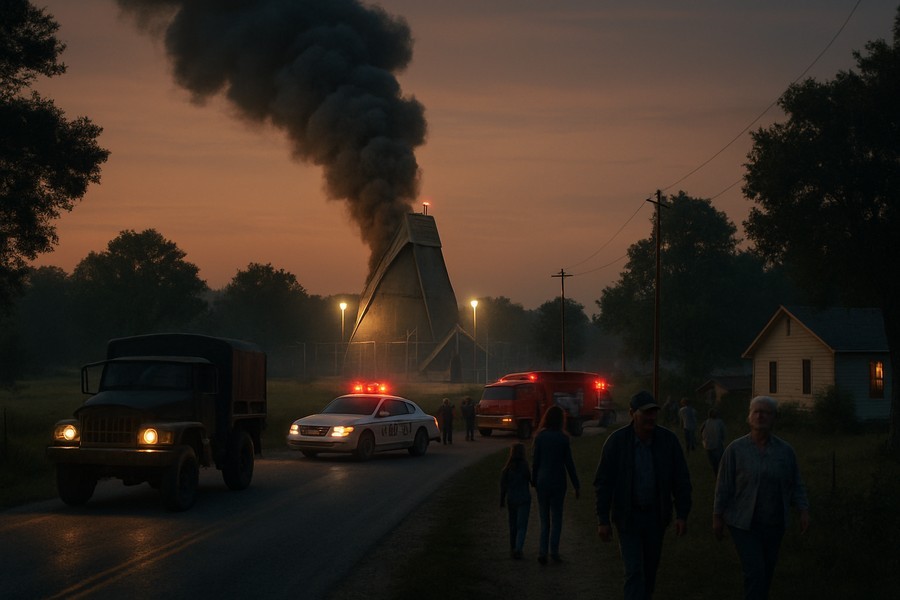
A deadly explosion that shook the foundations of the state of Arkansas and led to the termination of the Titan II Missile Program still echoes in the minds of those who lived through it. This tragic event occurred around four decades ago at a missile launch complex situated in the northern part of Damascus in Van Buren County.
The incident unfolded one evening when a serviceman was carrying out routine maintenance on the Titan II Missile. In a stroke of bad luck, he dropped a wrench socket, which tumbled 80 feet downwards before puncturing the missile's fuel tank, triggering a leak.
Evacuation and Explosion
Given the potential threat, the Air Force personnel had to take swift action. They began the process of evacuating nearby residents. One such resident, Cindy Beckman, then Vice President of the Faulkner County Historical Society, still vividly recalls being woken up at dawn by her grandparents who were being evacuated from their home in Wooster.
Meanwhile, a team of airmen ventured into the complex to assess the condition of the missile. The situation took a turn for the worse in the early hours of the following morning when the missile detonated, sending debris flying hundreds of feet into the sky. The explosion led to the injury of 21 individuals and claimed the life of an airman named David Livingston.
The Aftermath
Among the debris was a nuclear warhead that, by some miracle, did not explode. It landed a mere 100 feet away from the destroyed silo. This sparked a flurry of rumors and fears. Beckman recounts how a false rumor about a mushroom cloud sighting spread like wildfire.
A review of a documentary film, "Command and Control," which explores the explosion, posits that had the warhead detonated, the resultant radioactive fallout could have spelled doom for millions in the state, including then-Governor Bill Clinton and Vice President Walter Mondale, who were attending a political convention in Little Rock at the time.
Changes and Remembrance
According to Beckman, the disaster prompted some necessary changes. In the years following the explosion, most of the silos were filled with concrete, and the missiles were removed by the mid-1980s as their relevance began to wane.
Even as time passes, the community ensures that this event is not lost to history. The EAST program at the nearby Southside Bee Branch High School has made substantial efforts to preserve this part of their local history. Julie Nelson, the school's EAST facilitator, has been working towards raising awareness about the explosion among her students.
As part of the remembrance efforts, the school spearheaded a campaign to name the road leading to the original complex after David Livingston, the lone casualty of the explosion. In addition, a historical marker is being planned for installation along Highway 65, although completion is not expected until a few years from now.
