
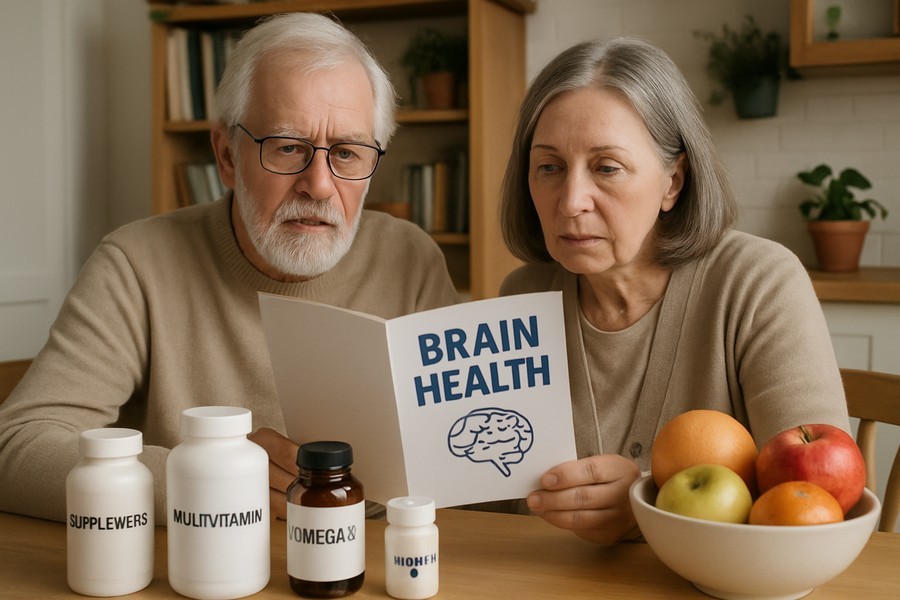
A Simple Supplement Could Enhance Brain Health in Seniors
Recent studies suggest that certain daily supplements might be the key to improving mental function in the elderly. These supplements are both proteins and prebiotics, which are known for their gut health benefits.
Research has shown that these supplements can enhance memory test results in people over 60. This is particularly significant as the same memory and learning tests are utilized to identify early symptoms of Alzheimer's disease.
What Are These Miracle Supplements?
Two specific plant-fiber prebiotics were put to the test in this study. These prebiotics are non-digestible food components that are beneficial for our gut microbes. The first is inulin, a dietary fiber belonging to the fructan class. The second is fructooligosaccharide (FOS), a plant carbohydrate often used as a natural low-calorie sweetener. Both of these supplements are readily available over the counter in many places.
The Study Design
The research team enrolled 36 pairs of twins, all aged 60 or older. The twins were divided into two groups: one group received a daily prebiotic mixed into protein powder, while the other group received a placebo powder. After three months, the twins who consumed either inulin or FOS generally scored higher on cognitive tests.
Link Between Gut Health and Brain Function
Interestingly, the daily intake of fiber supplements led to minor changes in the gut microbiome between twins. The bacteria known as Bifidobacterium, which is beneficial to health, was more present in those taking inulin or FOS. Previous studies on mice have suggested that Bifidobacterium can reduce cognitive deficits by managing connections between the gut and the brain.
Researchers were thrilled to observe these changes over just 12 weeks. They believe this bodes well for improving brain health and memory in our aging population and suggests that understanding the connection between the gut and brain could offer new strategies for healthier aging.
Implications of the Findings
The study adds to the growing body of evidence suggesting a strong connection between the gut and the brain. Some experts are so convinced by the data that they even refer to the gut as the body's 'second brain'. However, the exact way these two nervous systems interact remains a mystery.
There is also evidence to suggest that 'brain foods' can help combat cognitive decline. These plant fibers, which are affordable and easy to find, could potentially benefit a wide range of people. The researchers' next objective is to determine whether these effects are sustained over longer periods and in larger groups.
Limitations and Future Directions
While the study showed that prebiotics improved some aspects of cognitive function in an aging brain, like memory and processing times, it did not identify significant physical benefits. For example, muscle loss did not improve among twins taking high-fiber supplements, despite the known role of inulin and FOS in musculoskeletal maintenance.
The majority of the twins in the study were female, and although the researchers accounted for sex differences in their findings, they acknowledge potential selection bias. On the other hand, women are more susceptible to Alzheimer's disease, and this study supports the growing idea that cognitive decline is not solely a disease of the brain, but may be influenced by external factors as well.
In the future, a greater understanding of the gut-brain connection and the role of certain prebiotics and probiotics could pave the way for treating a variety of illnesses and diseases. The continued exploration of this fascinating area of health and wellness promises to yield more exciting discoveries in the years to come.