
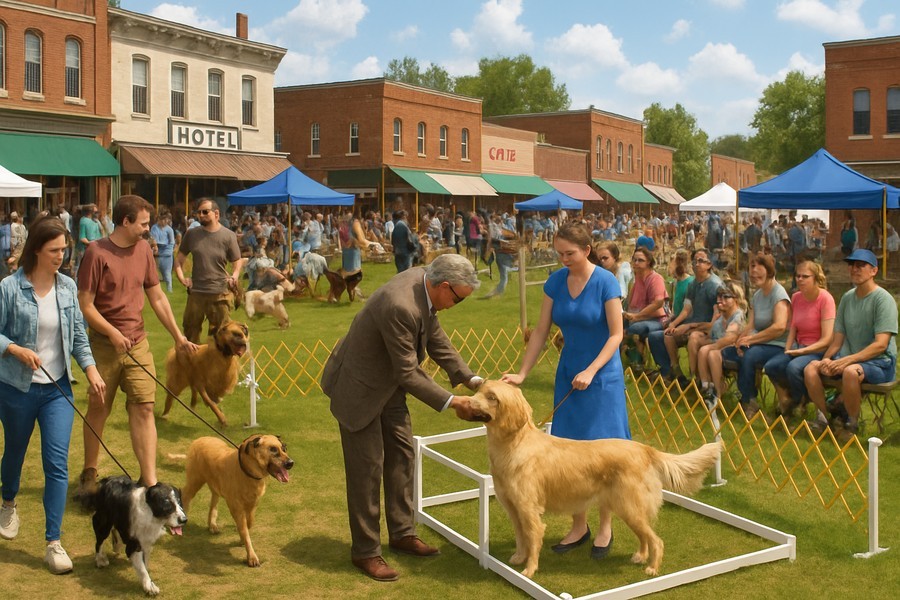
Why We Need to Pay Attention to Recurring Events Like Dog Shows for our Economy
Think for a moment about the buzz that surrounds the arrival of a new business in town. There's chatter about the jobs it will bring, the revenue it will generate, and the overall promise of economic growth. It's always a thrilling time!
On the flip side, the departure of big businesses from a city or state can kick up just as much dust, spurring worry and concern about the local economy's health. It's a classic tale of ups and downs, hellos and goodbyes. But there’s more to the story.
Something More is Brewing in Our Own Backyard
Consider this: In the coming weeks, thousands of individuals from all over the United States will pour into Oklahoma for several days of dog shows. They'll be filling up hotels, dining at local eateries, renting fairgrounds, and employing local services. These events will usher in an influx of cash into the local economy, and it's not a one-time thing.
Let's talk numbers. A single weekend of a dog show can pump over two million dollars into the hosting community. In a single year, Oklahoma hosted 424 such events, attracting approximately 55,000 participants. This activity isn't just measurable, it's repeatable, and it doesn't just benefit one city; it spreads out, bringing economic advantages to even the smaller towns.
It's Not Just About Dog Shows
And it's not just about dog shows. The same applies to horse competitions, livestock events, youth tournaments, and other niche gatherings. They all attract visitors who return several times a year, spreading their spending beyond our major cities. I've been a part of dog shows, and I've seen firsthand the meticulous planning that goes into each event, how local businesses depend on the turnout, and the potential risk of losing these events to other places if hosting becomes too complex or unsupported.
Let's Change the Narrative
Yet, these recurring, event-driven industries rarely make it to our broader economic conversations. They operate quietly, without the fanfare that typically accompanies big announcements. But if we're seeking a more stable economy, we can't solely depend on the arrival of the next big employer. We need to create conditions that encourage these already existing industries to keep returning.
This requires a coordinated effort. Tourism offices need to collaborate with event organizers well in advance of show dates. Local businesses could offer incentives that make visitors feel more welcome. Economic development teams should recognize that these recurring events contribute to long-term strategy, not just weekend activity.
This isn't about creating drama. It's about being pragmatic.
The Power of Consistency
In the coming weeks, cities like Claremore, Oklahoma City, and Tulsa will reap economic benefits from their decision to host these events. But these profitable weekends don't just happen. They exist because people have taken the time to build and sustain them.
It's easy to get excited about new things, but let's not overlook the value of what consistently returns. The strength of our economy might just lie in these recurring events that we've been taking for granted.