
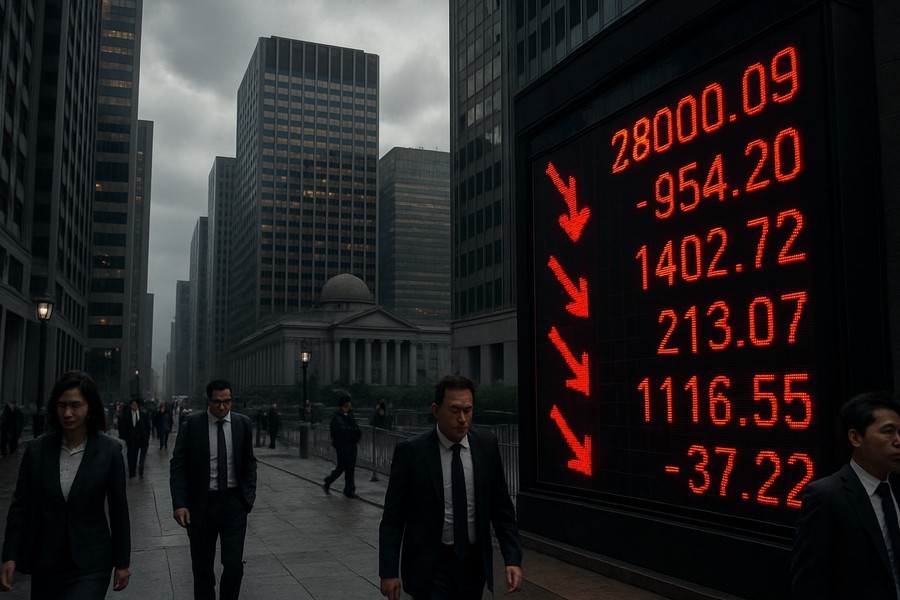
Exploring the Impact of AI on the Economy in a Bear Market
There's been a lot of talk about what a worst-case bear market could look like. Some have speculated that it could be triggered by the disruptive effects of artificial intelligence (AI) on the economy. This, in turn, could lead to reactionary government policies and overreach. It's a bleak picture, but there's more to understand about this scenario.
Fiscal Policies and Government Spending
In this imagined bear market, the government response could involve fiscal policies that could prove damaging. The recent suggestion of a Dutch tax on unrealized capital gains serves as a warning. Increased government spending could also play a role. Both of these factors could contribute to a financial crunch.
The Ripple Effects
These changes could have several knock-on effects. They could result in higher inflation that becomes the norm. This, along with a more conservative approach from central banks, could lead to a long period of stagnation for equities, bonds, and real estate.
How Likely is This Scenario?
Despite these concerns, it's important to stress that this bear market scenario is considered unlikely. The forces of global competition and technological progress make a complete halt in AI development improbable. However, some elements of this scenario could come to pass and create instability in the markets.
Investing in Uncertain Times
Despite these potential challenges, remaining fully invested is seen as the most prudent approach. Market volatility is to be expected, but betting against the bear case carries considerable risk.
It's worth noting that this perspective is not born out of a bearish mindset. In fact, it's based on a very optimistic view of the market's future. The belief is that we are on the cusp of a new era of economic growth.
Understanding the Market's Future
When it comes to understanding the future of the market, it's not enough to simply look at the numbers. The market is driven by supply and demand, and predicting human behavior is key. It's important to understand what the market sees in a company beyond its financial metrics. This requires a deep understanding of sectors, industries, and long-term growth trends.
Adopting this approach requires creativity, curiosity, and a willingness to sometimes swim against the current. It also requires a willingness to hold onto stocks for the long term, even if the market is volatile.
It's important to remember that past performance is not a guarantee of future results. Investing always carries risk, and it's crucial to carefully consider any investment decisions.
While this potential bear market scenario may seem concerning, it's important to keep it in perspective. The future of the market is shaped by many factors, and it's impossible to predict with certainty what will happen. The key is to stay informed, make well-reasoned decisions, and remain committed to long-term investment strategies.