
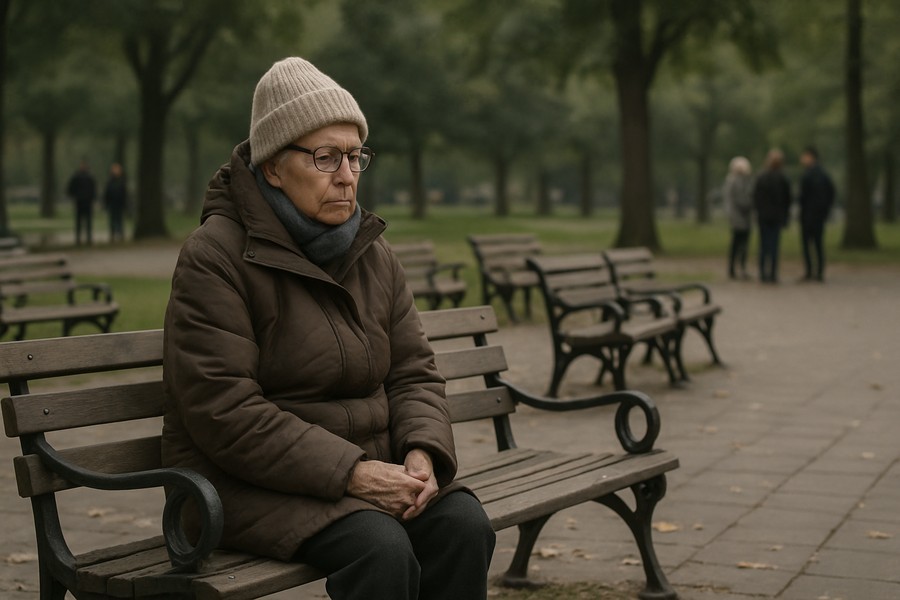
The Epidemic of Loneliness Among the Elderly
Many older adults often confide about their struggles with loneliness and isolation. They fear losing their work friends once they retire, and they don't know how to build new relationships at their age. This growing fear of social isolation is not unfounded, especially considering the increasing life spans and the rising elderly population.
The Health Risks of Loneliness
Loneliness isn't just an emotional problem. It can also be a significant health risk, particularly for older adults who are already vulnerable to physical and cognitive health issues. Studies show links between loneliness and various health problems, such as heart disease, diabetes, and even dementia.
Moreover, the health impact of loneliness can be as severe as smoking 15 cigarettes a day. One recent national survey revealed that 40% of individuals aged 45 and above experience loneliness, a noticeable increase from the 35% found in previous years.
The Uneven Impact of Loneliness
However, the burden of loneliness isn't evenly distributed. Certain segments of the population are more prone to loneliness, including men, non-working individuals, those earning less than $25,000 a year, residents of rural areas, and those who identify as LGBTQ+. On the other hand, highly educated, wealthy individuals over the age of 70 are less likely to experience intense loneliness.
The Growing Issue of Elderly Loneliness
Loneliness isn't solely an issue for the elderly, but it's one that disproportionately impacts them. As the population of older adults in the United States grows, addressing loneliness in this demographic becomes even more critical. Based on the data, over 50 million adults aged 45 and above are battling loneliness, making it a public health emergency.
The Decline in Social Connection
So, what's causing this rise in loneliness among older adults? A closer look at the data reveals that we're not necessarily less friendly as a society than we were a decade ago. However, we're participating less in activities that foster social connection. For instance, for those aged 60 and above, attendance at religious services has decreased from 50% to 37%, membership in community groups has declined from 32% to 25%, and volunteering rates have dropped to 33% from 47%.
Creating a More Socially Connected Society
The question now is: How do we address this issue? Despite much discussion, concrete steps to enhance social connection and combat loneliness have been limited. While some efforts have been made, such as the appointment of the first Ambassador for Loneliness in New York State in 2023, sustained interest and consistent action have been lacking.
Addressing loneliness among older adults is a complex challenge as various factors contribute to this issue, including our living arrangements, our employment conditions, and our use of technology. However, it's crucial to remember that this isn't just an individual's problem - it's a public health crisis that needs collective action.
Taking Inspiration from Other Countries
We can learn from countries like the United Kingdom, Japan, and Germany, which treat elder loneliness as a public health crisis and have implemented measures to address it. They have established roles like Ministers of Loneliness and built networks of Senior Citizens Offices to help older adults find volunteer opportunities and social connections. Japan has also set up centers to help nearly 1 million older adults, aged 65 to 100, find part-time work.
By developing a social health infrastructure to support connection, purpose, and engagement in later life, these nations provide a roadmap for us to follow. If we can effectively address this issue, we can help mitigate the loneliness epidemic among our older adults.