
The Unseen Costs of Measles Outbreaks in the U.S.
When a measles outbreak began in West Texas, Katherine Wells, a public health official, was faced with a daunting task. Despite the outbreak being primarily located in Gaines County, an hour away, she found herself needing additional resources to address the spread of the virus in local clinics, daycares, and even restaurants.
Wells appealed to the Texas Department of State Health Services for extra funds to hire temporary workers to support her overworked staff. However, her requests for additional funding were consistently denied, leaving her to manage the outbreak with the resources she had.
Managing a Measles Outbreak
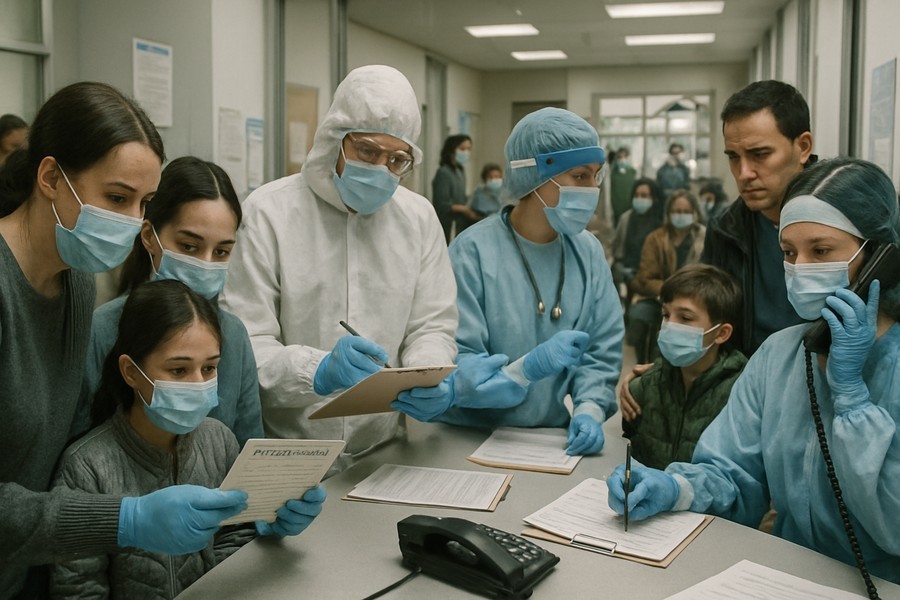
In order to prevent a measles outbreak from spiraling out of control, it's crucial for health workers to quickly identify and contact everyone who may have been exposed to the virus. They need to determine each person's vaccination status, their risk of contracting the disease, and then convince them to get vaccinated or self-quarantine for three weeks. This is a time-consuming and resource-intense process, and Wells had to divert half of her staff to tackle these tasks.
The True Cost of Measles
While it's difficult to quantify the exact cost of managing a measles outbreak, the financial burden is significant. If vaccination rates keep dropping at the current rate of 1% per year, the cost to the U.S. could reach a staggering $1.5 billion annually.
Researchers have used mathematical models to predict the rise in measles cases and associated medical costs if this trend continues. They estimate that $41.1 million would be required each year for basic patient care, and a further $947 million for public health response efforts like monitoring and tracking the spread of the disease. Lost productivity could cost an additional $510.4 million each year.
Impact on the Health System
A measles outbreak doesn't just affect those infected; it sends ripples throughout the entire healthcare system. These outbreaks strain resources, resulting in lost work, overextended public health departments, and additional strain on healthcare systems already dealing with emergency response.
Despite being declared eliminated in the U.S. in 2000, measles outbreaks have been cropping up sporadically due to declining vaccination rates. This now threatens the nation's measles-free status.
Choosing Personal Choice Over Public Health
Despite the clear threat posed by measles, there has been a shift in messaging around childhood vaccinations. Rather than emphasizing the importance of vaccinations for public health, the focus has shifted to personal choice. This change in attitude has contributed to the decline in vaccination rates, with 67% of counties reporting below-average MMR vaccination rates.
Cost of Outbreak Management
Research has shown that managing a measles outbreak is costly, with a single outbreak costing about $244,480 on average. This cost includes staffing for vaccine clinics and the tracking and monitoring of the disease. Each additional case adds an average of $16,000 to this total.
Unseen Costs
While the financial impact of a measles outbreak is substantial, the human cost is immeasurable. Over 10% of those infected with measles have been hospitalized with severe symptoms, and the disease can also cause long-term health issues such as seizures, blindness, and learning disabilities. The real cost of a measles outbreak is not just measured in dollars, it is seen in the suffering of those affected and their families.
Overall, it's clear that measles outbreaks have a significant impact on both our healthcare system and society as a whole. As vaccination rates continue to decline, it's crucial to consider not just the financial cost, but also the human toll of these preventable diseases.