
Meta and Google Found Liable in Landmark Social Media Addiction Case, Ordered to Pay $6 Million in Damages

Administrator

Administrator
Staff member
Apr 20, 2025
2,150
426
83

Meta and Google Found Liable in Landmark Social Media Addiction Case, Ordered to Pay $6 Million in Damages

69c52fd6304e5.jpg


Groundbreaking Verdict in Case Against Social Media Giants

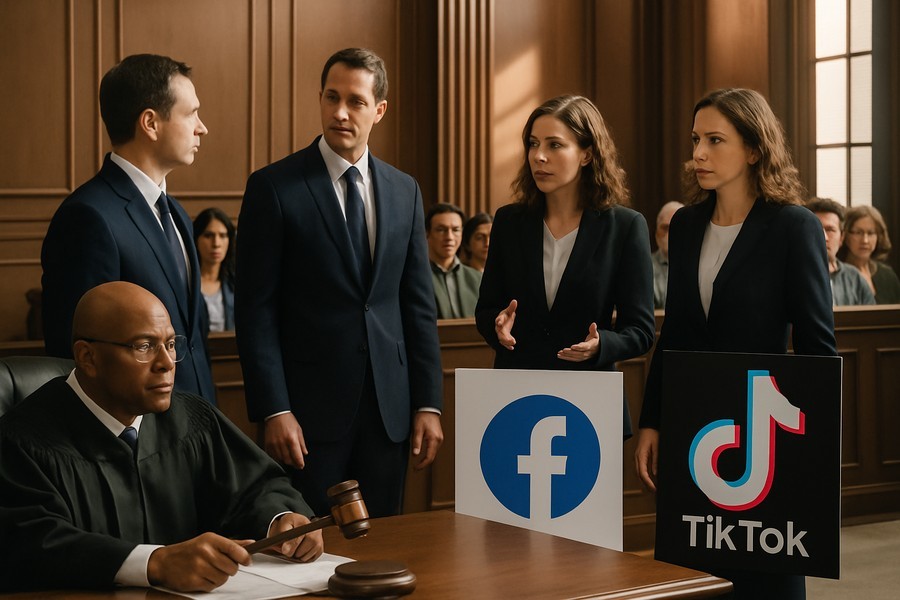
In a game-changing decision, a US jury found that popular social media platforms have an inherent flaw that makes them addictive. This ruling was the outcome of a nine-day deliberation by the jury, following a lawsuit filed by a woman identified as KGM.

Details of the Verdict and Damages

The jury awarded KGM $3 million in damages, holding the owners of the social media platforms 70% and 30% responsible respectively. An additional $3 million was granted in punitive damages. Other platforms had settled before the trial, which lasted six weeks.

This case marks the second major legal defeat for one of the platform owners in the same week, with a separate jury finding the company guilty of hiding information about the risk of child exploitation and the negative impact of its platform on children's mental health.


The Start of a Trend?

This lawsuit represents the first of its kind, but it certainly won't be the last. Over 20 similar trials are soon expected to be brought to court. These so-called "bellwether" trials will serve as test cases to understand jury reactions and establish a legal precedent.

There's a possibility that this verdict could lead to a surge in similar cases, much like the tobacco industry experienced years ago.

The Accusations Against Social Media Companies

KGM, now 20 years old, started using these platforms when she was just a child. She claimed that the design elements of these platforms contributed to her developing anxiety, depression, body dysmorphia, and suicidal thoughts.

KGM argued that the companies made intentional design decisions, such as the "infinite scroll" feature, to make their platforms more addictive for young users, thereby increasing their profits. These companies, she alleged, borrowed tactics from the gambling and tobacco industries to maximize engagement and drive ad revenue.

KGM's lawyer accused the companies of purposely creating addictive machinery aimed at children. He cited an internal study that found children who had experienced adverse effects were most likely to become addicted to the platforms, and that parents were powerless to prevent this addiction.

The jury was presented with internal communications that likened the effects of the platforms to pushing drugs and gambling. This evidence was a key factor in the jury's decision to hold the companies liable.

The Defense's Arguments

The defense argued that KGM's struggles stemmed from her family dynamics and that social media might have provided a healthy outlet for her. They also pointed out that there was no mention of an addiction to these platforms in her medical records.

The companies also used Section 230 protections as part of their defense, claiming that they couldn't be held responsible for content posted on their platforms. However, the judge clarified to the jury that the delivery of content is separate from the content itself, limiting the companies' ability to use Section 230 protections.

The Significance of this Case

This case is noteworthy for being one of the first against major tech companies to go to a jury trial. Past cases concerning design aspects such as infinite scrolling and notification systems have been dismissed by US courts. The verdict in KGM's case shows the limitations of Section 230 protection.

This lawsuit is the first to examine addiction as a cause of damage on a global scale. Typically, other cases have focused on legal breaches. For instance, in a separate case, the jury found that the company had made false or misleading statements and engaged in "unconscionable" trade practices that exploited children's vulnerability and inexperience.

Following the precedent set by KGM's case, it's likely that we'll see more lawsuits seeking damages from social media platforms due to addiction. These could be class action lawsuits or individual actions both within the US and internationally.

 
Groundbreaking Verdict in Case Against Social Media Giants

In a game-changing decision, a US jury found that popular social media platforms have an inherent flaw that makes them addictive. This ruling was the outcome of a nine-day deliberation by the jury, following a lawsuit filed by a woman identified as KGM.

Details of the Verdict and Damages

The jury awarded KGM $3 million in damages, holding the owners of the social media platforms 70% and 30% responsible respectively. An additional $3 million was granted in punitive damages. Other platforms had settled before the trial, which lasted six weeks.

This case marks the second major legal defeat for one of the platform owners in the same week, with a separate jury finding the company guilty of hiding information about the risk of child exploitation and the negative impact of its platform on children's mental health.


The Start of a Trend?

This lawsuit represents the first of its kind, but it certainly won't be the last. Over 20 similar trials are soon expected to be brought to court. These so-called "bellwether" trials will serve as test cases to understand jury reactions and establish a legal precedent.

There's a possibility that this verdict could lead to a surge in similar cases, much like the tobacco industry experienced years ago.

The Accusations Against Social Media Companies

KGM, now 20 years old, started using these platforms when she was just a child. She claimed that the design elements of these platforms contributed to her developing anxiety, depression, body dysmorphia, and suicidal thoughts.

KGM argued that the companies made intentional design decisions, such as the "infinite scroll" feature, to make their platforms more addictive for young users, thereby increasing their profits. These companies, she alleged, borrowed tactics from the gambling and tobacco industries to maximize engagement and drive ad revenue.

KGM's lawyer accused the companies of purposely creating addictive machinery aimed at children. He cited an internal study that found children who had experienced adverse effects were most likely to become addicted to the platforms, and that parents were powerless to prevent this addiction.

The jury was presented with internal communications that likened the effects of the platforms to pushing drugs and gambling. This evidence was a key factor in the jury's decision to hold the companies liable.

The Defense's Arguments

The defense argued that KGM's struggles stemmed from her family dynamics and that social media might have provided a healthy outlet for her. They also pointed out that there was no mention of an addiction to these platforms in her medical records.

The companies also used Section 230 protections as part of their defense, claiming that they couldn't be held responsible for content posted on their platforms. However, the judge clarified to the jury that the delivery of content is separate from the content itself, limiting the companies' ability to use Section 230 protections.

The Significance of this Case

This case is noteworthy for being one of the first against major tech companies to go to a jury trial. Past cases concerning design aspects such as infinite scrolling and notification systems have been dismissed by US courts. The verdict in KGM's case shows the limitations of Section 230 protection.

This lawsuit is the first to examine addiction as a cause of damage on a global scale. Typically, other cases have focused on legal breaches. For instance, in a separate case, the jury found that the company had made false or misleading statements and engaged in "unconscionable" trade practices that exploited children's vulnerability and inexperience.

Following the precedent set by KGM's case, it's likely that we'll see more lawsuits seeking damages from social media platforms due to addiction. These could be class action lawsuits or individual actions both within the US and internationally.

The comparison to the tobacco industry is especially striking here—makes me wonder if we’ll see long-overdue regulation for social media companies the way we did with cigarettes.