
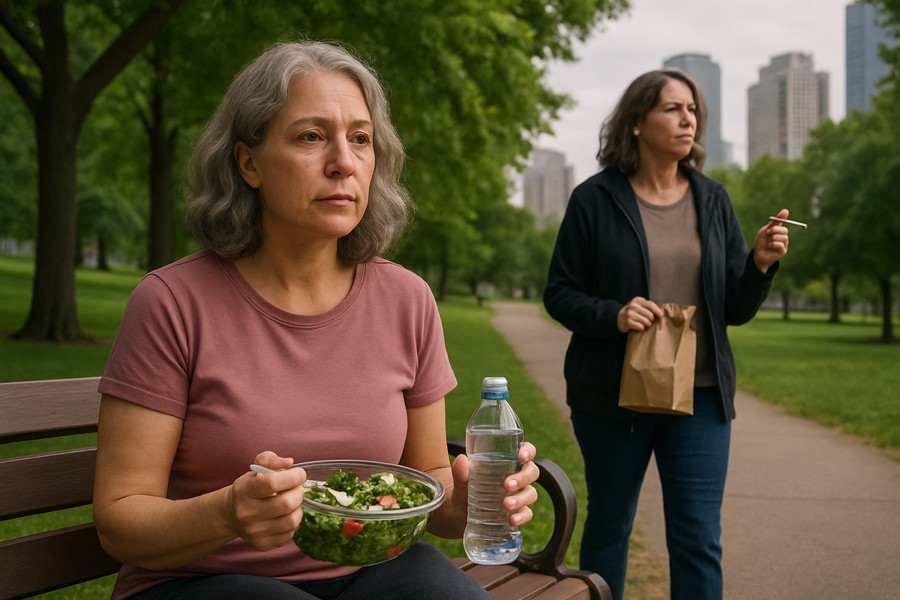
Lifestyle Factors Contribute to a Significant Proportion of Breast Cancer Cases, Study Reveals
According to a comprehensive scientific investigation, lifestyle habits such as smoking and eating red meat account for over 25% of healthy years lost to breast cancer. This cutting-edge research is the most extensive of its kind to date.
The study, which was published in a peer-reviewed medical journal, leveraged data from cancer registries around the world to analyze breast cancer and its associated risk factors.
Data Spanning Decades and Countries
The data, which covers over 200 countries from 1990 to 2023, was also used to predict future trends in breast cancer up to 2050. Statistics show that one in seven women will be diagnosed with the disease during their lifetime in the UK.
The number of new breast cancer cases among women is projected to increase by a third worldwide, rising from 2.3 million in 2023 to more than 3.5 million in 2050.
Healthy Lifestyle Choices Can Make a Difference
The research suggests that maintaining a healthy lifestyle could prevent more than a quarter of healthy years lost to illness and premature death due to breast cancer. This includes not smoking, getting enough physical activity, reducing red meat consumption, and maintaining a healthy Body Mass Index (BMI).
These findings align with earlier research which found that over 40% of cancer cases in the UK could be prevented by making lifestyle changes.
The study’s lead author, a researcher from a renowned university, commented on the significant impact of breast cancer on women’s lives and communities. She highlighted that while individuals in wealthier countries often have access to screening, timely diagnosis, and comprehensive treatment, those in poorer countries frequently face late-stage diagnosis, limited access to quality care, and higher death rates.
Age and Risk Factors
The study found that in 2023, three times as many new breast cancer cases were diagnosed in women aged 55 or older compared to those aged 20-54. However, the rates of new cases in younger women have risen by nearly a third since 1990, while rates in older women have remained relatively unchanged.
In the same year, 28% of the global breast cancer burden, which equates to 6.8 million years of healthy life lost to disability, illness, and early death, was linked to six modifiable risk factors. These include high red meat consumption, tobacco use (including secondhand smoke), high blood sugar, high BMI, high alcohol use, and low physical activity.
A Global Health Crisis
The CEO of a prominent breast cancer organization stated that the study is a stark reminder that breast cancer continues to devastate lives worldwide. She expressed her organization’s commitment to ensuring that by 2050, every individual with breast cancer will live a long, healthy life.
The health information manager at a leading cancer research organization echoed these sentiments, adding that prevention is a crucial way to reduce breast cancer rates. She highlighted the significant number of cases globally linked to preventable factors like smoking, being overweight or obese, and alcohol consumption.