
Understanding the Temporary Suspension of an Old Shipping Law
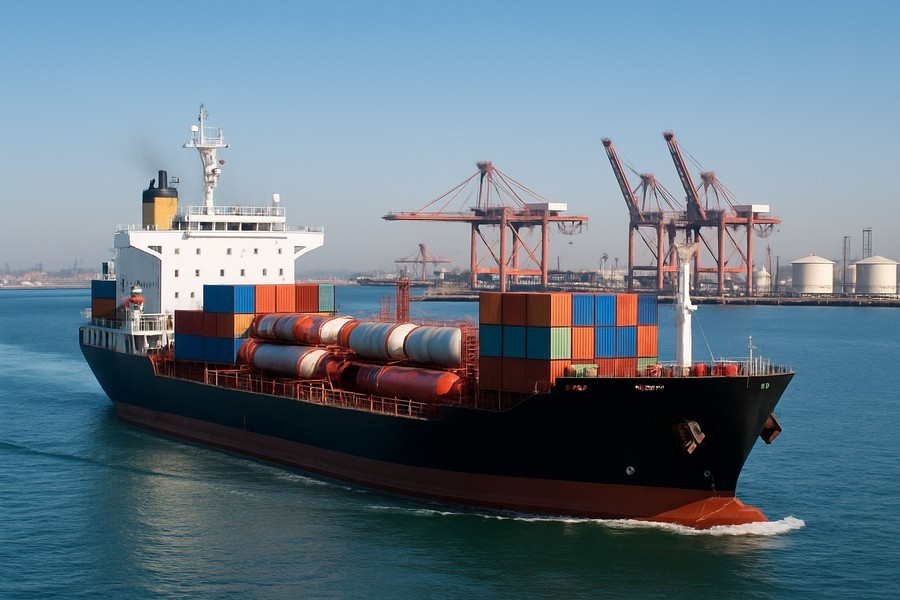
The President of the United States has put a temporary hold on a hundred-year-old shipping regulation in an effort to ease the cost of moving oil, gas, and other commodities across the nation. This change allows ships from other countries to transport goods between American ports for the next 60 days, in hopes of facilitating the distribution of energy resources throughout the nation.
The Jones Act Explained
The law that's being temporarily paused is known as the Jones Act. Formally called the Merchant Marine Act of 1920, this law was established by Congress to help restore the nation's shipping industry after it was heavily damaged by German submarines during World War I. Senator Wesley Jones from Washington state was the law's main sponsor.
At the heart of the Jones Act is a requirement that any ship carrying goods or passengers between American ports must be built in America, owned by American citizens, and primarily crewed by Americans. This essentially prevents ships under foreign flags from participating in the domestic maritime trade.
The Jones Act does allow temporary waivers in cases of national defense interest, typically granted by the Department of Homeland Security or the Department of Defense. The main purpose of this law is to ensure that America can depend on its own merchant fleet during times of war. It enjoys strong support from certain shipping companies, labor unions, and national security advocates. However, critics argue that it limits foreign competition and leads to increased shipping costs.
Why the Jones Act's Requirements Are Being Waived Now
Ever since the outbreak of the war between the US and Israel against Iran, oil markets have been extremely unstable. The Strait of Hormuz, a crucial international chokepoint, has seen a severe disruption in tanker traffic, impacting exports from major Middle Eastern producers. Commercial vessels carrying everything from fuel to pharmaceuticals and computer chips have also been delayed or attacked, causing global prices to rise.
With shipping routes disrupted and supplies strained, countries are desperately seeking alternatives. By permitting foreign-flagged vessels to transport energy products between American ports, the administration aims to decrease transport costs and boost supply. This waiver also extends to fertilizers, which are in high demand during the current spring planting season.
However, this decision has sparked controversy. A group representing American vessel owners, operators, and maritime unions expressed deep concern that the 60-day waiver could be misused, potentially sidelining American workers and companies. They also argue that this measure is unlikely to significantly lower fuel prices for consumers.
How this Suspension Could Impact US Gas Prices
Many factors influence fuel prices, and experts suggest that relaxing domestic shipping restrictions is unlikely to provide a comprehensive solution. "The waiver will streamline logistics, making it slightly more affordable and easier for products to move," said Patrick De Haan, a leader in petroleum analysis. However, he cautioned not to anticipate dramatic price reductions as a result of the waiver.
This temporary suspension is part of a larger strategy to increase supply. The Treasury Department has relaxed sanctions to allow American companies to do business with Venezuela's state oil company, while also temporarily allowing Russian oil to re-enter the global market. The International Energy Agency has also committed to releasing 400 million barrels of oil from emergency reserves, marking the largest coordinated release in its history, with America contributing 172 million barrels from its Strategic Petroleum Reserve.
Despite these measures, experts warn that they offer only temporary relief. Oil markets continue to be strained by global supply disruptions, and it can take time for additional crude to reach refineries and trickle down to consumers.