
The Impact of Rising Prices on Everyday Shopping
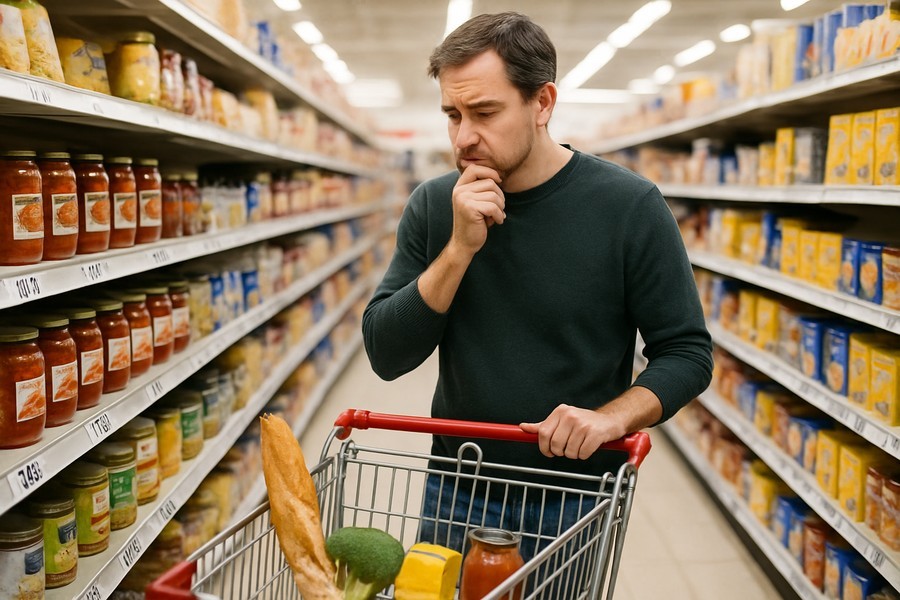
For many Americans, rising prices have become a real concern. One man, Greg Reyes, has noticed a significant increase in his grocery bill. A year ago, he used to spend about $40 on his routine shopping, but that figure has now risen to $60. To keep within his budget, he has had to let go of certain items like ice cream, which has become too expensive.
Why Are Prices Going Up?
The cost of living in the U.S. has increased by 2.7% last December when compared to the previous year. This increment came after a period of intense inflation. Adding to that, we've seen a global trade war with the imposition of tariffs on almost all imports. On top of these, the world has had to cope with extreme weather conditions ranging from droughts to heavy downpours. The effects of these challenges can be seen in our shopping carts.
Changes in Prices: A Case Study
A study was conducted at a well-known, suburban superstore to track price changes. This store, being one of the largest in the world, has the ability to negotiate with suppliers for some of the lowest and most stable prices. Here's what was discovered during the latest price check visit in December:
- The average price of items rose by 5% last year
- Nearly half of the items on the study's shopping list, including shrimp, cookies, soda, and soap, became more expensive in 2025.
- Price increases on items imported from China and Vietnam seemed to be related to tariffs. Other price hikes were linked to weather events affecting the harvest of crops like cacao and coffee beans.
- Just under a quarter of the items on the list got cheaper, including eggs, milk, and some packaged foods.
As the affordability of goods became a major concern for Americans, big brands started worrying about shoppers switching to cheaper alternatives or even skipping some purchases. To attract more customers, the superstore offered more discounts in December than it had in previous years.
The Impact of Tariffs
With tariffs being a significant factor in retail in 2025, their impact was evident in the superstore's aisles. Some of the biggest price jumps were on items imported from countries burdened with heavy tariffs. Companies that manufacture canned pineapple, aluminum foil, and other goods reported rising costs due to tariffs, global supply pressures, increasing energy costs, and limited availability of raw materials.
Climate Change and Rising Prices
Some items with the worst price hikes, like coffee, beef, and chocolate, were affected by both tariffs and weather. Erratic rainfall patterns, floods, and droughts brought about by climate change have negatively impacted the cost of coffee beans and cacao harvests. Furthermore, the supply of U.S. beef is at its lowest in decades, partly due to drought, driving cattle prices to record highs.
Shrinkflation: A Sneaky Approach to Price Hikes
When inflation spiked after the COVID-19 pandemic, some manufacturers subtly increased prices by reducing the size of their products while charging the same or slightly more. This phenomenon, known as shrinkflation, was observed in products like soap bars and laundry detergent.
Not All Bad News: Some Prices Are Lower
Fortunately, there's some good news. The prices of some products, like eggs and butter, have dropped. In response to tightening budgets, some brands have started lowering their prices to boost sales. In fact, the superstore added more discounts than it had in the past two years, with about 2,000 of these becoming permanent price cuts.