
The Dawn of Tech Accountability
In the world of digital business, companies that create online platforms have been enjoying legal protection from the consequences of user-generated content. However, recent legal actions suggest a change in the wind, with the accountability of tech giants coming under question.
A case from a few years ago saw a man taking legal action against a popular dating app after his ex-lover created fake profiles to harass him and direct strangers to his home. The aggrieved party's lawyer, argued that the dating app was a faulty product since it failed to stop the harassment. However, the case was dismissed due to a federal law that protects online platforms from liability for user-posted content.
The Cracks Begin to Show
Despite the initial dismissal, the legal community has begun to reconsider these longstanding protections. The federal law in question, Section 230 of the Communications Decency Act of 1996, has previously acted as a shield for tech companies, but its invulnerability is now in doubt. Courts have started to entertain the idea that tech companies can be held accountable for product design and the potential harm it can cause users.
The same lawyer who fought the dating app case, recently sued a video chat site accused of facilitating child exploitation. In the wake of reaching a settlement, the site was shut down. In a similar vein, a court gave the green light for a lawsuit against the creator of a popular photo sharing app over a speed filter feature implicated in deadly car accidents to proceed.
A New Era of Legal Action
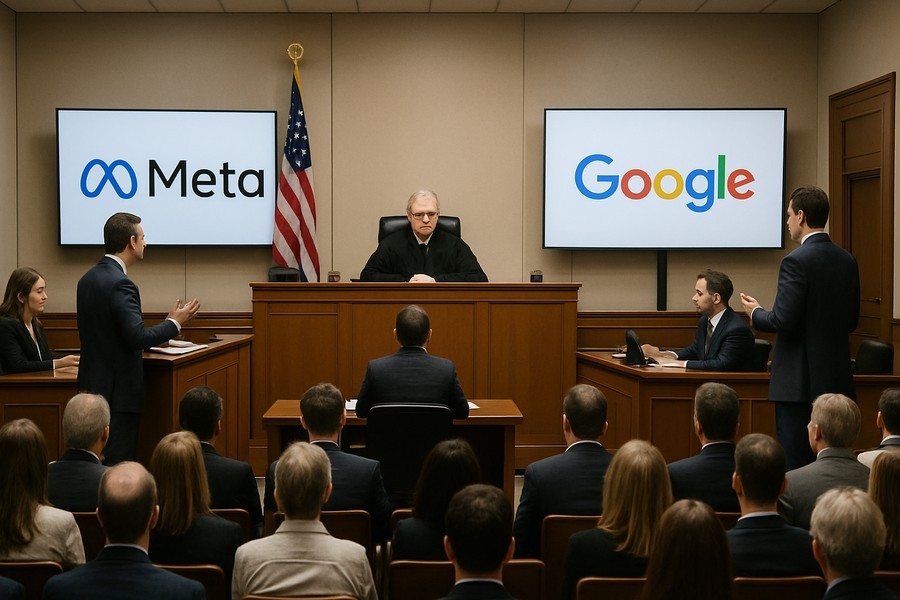
The recent shift in legal strategies mirrors the legal campaign against Big Tobacco in the 1990s. This approach focuses on holding companies accountable for the harm caused by their products. High profile cases in Los Angeles and New Mexico have further tested this strategy. The jury found the developers of two popular social media platforms guilty of designing addictive apps, contributing to the mental health struggles of a young woman. The platforms were ordered to pay $6 million in damages.
In New Mexico, the same social media platform was ordered to pay the state $375 million for failing to safeguard young users from predators. The company could face even more penalties in a second phase of the trial over the creation of a public nuisance. The New Mexico Attorney General also plans to ask the court to force changes to the social media platforms to make them safer.
Paradigm Shift in Tech Liability
These recent verdicts mark a significant development. A number of lawsuits similar to these are already underway. Thousands of cases against social media companies are currently progressing through state and federal courts. Other cases are targeting makers of video games, online gambling apps and artificial intelligence chatbots.
One credit rating agency has identified over 4,000 ongoing cases targeting 166 companies over allegations of addictive software design. This includes a lawsuit against sports betting sites for allegedly fostering gambling addiction. The claimants argue that these apps are designed to encourage compulsive use, including by targeting users with personalized bonuses and urging them to continue betting.
More than Just Legal Consequences
Advocates for tech accountability hope that these early legal victories will also drive changes outside the courtroom. They hope to inspire the creation of long-awaited tech regulations and enforce change in the tech industry.
According to a child safety advocate, it's about creating enough pressure to change the business incentives. She argues that the only way to change their behavior is to make them bear the cost of safety. This sentiment was echoed by the lawyer who represented the plaintiff in the LA trial against the social media platforms.
While the financial penalties imposed on the tech giants so far are small compared to their multitrillion-dollar valuations, these initial verdicts send a clear message to the tech industry. As one lawyer put it, "If you grab them by the pocketbook, their hearts and minds will follow."