
Live television leaves very little room for mistakes. Once the cameras are rolling, a missed line, unexpected reaction, or unscripted comment can become part of the broadcast forever. Over the years, the long-running sketch comedy show has had accidental swearing, broken character, awkward celebrity appearances, political speeches, and stunts that shocked both the audience and the performers. Some moments became beloved comedy highlights, while others caused serious controversy and lasting consequences.
Unexpected Words and Audience Reactions
One recent mistake happened during a sketch inspired by Green Eggs and Ham. Andrew Dismukes played Sam-I-Am, who was trying to convince a grouchy man to try the unusual meal. Shane Gillis played the man's frustrated son, whose written line was supposed to be, “He said he doesn't like them.” Instead, Gillis began saying, “He said he doesn't fuckin'—” before stopping himself and shouting, “Jeez!” He then waved at the camera while Dismukes stared ahead in obvious disbelief. Gillis later apologized during the closing portion of the show, admitting that he had enjoyed the episode despite the mistake.
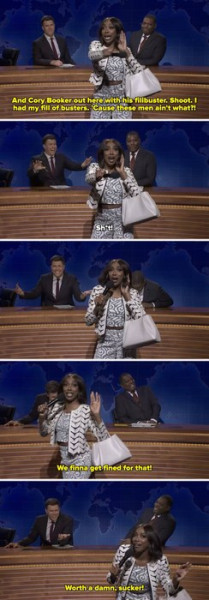
Another surprise came during a fake stand-up appearance by Ego Nwodim's character, Miss Eggy. The character was discussing a formal dinner connected to Washington politics and asked the audience, “'Cause these men ain't what?” The planned answer was supposed to be something like “worth a damn.” Instead, the entire crowd shouted, “Shit!” Nwodim, Colin Jost, and Michael Che all reacted with shocked gasps. Nwodim quickly improvised that they were probably going to be fined, then gave the audience the intended response. The cast had never expected the crowd to answer that way, so the entire exchange unfolded in real time.
When the Set Became Part of the Comedy
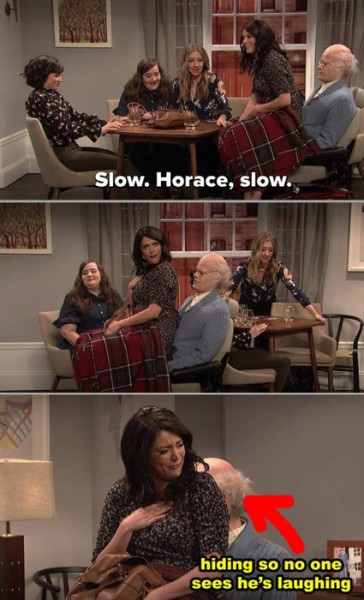
Bill Hader caused an entire sketch to unravel when he struggled to control an electric wheelchair during a scene called “Girlfriends Game Night.” Cecily Strong played a woman desperate to become pregnant while her friends played cards nearby. Since the performers were not allowed to physically simulate sex, Hader had to move the wheelchair instead of moving his body. The chair was difficult to steer, and he repeatedly crashed into the set.
At one point, Hader backed into something and heard Melissa Villaseñor telling him that it was her. He then realized that Aidy Bryant was also behind him, which meant he had accidentally pushed an entire table across the room. The cast members tried to continue the scene, but the unexpected movement made it nearly impossible for them to keep straight faces. The accident became one of the sketch's funniest moments because the confusion was genuine.
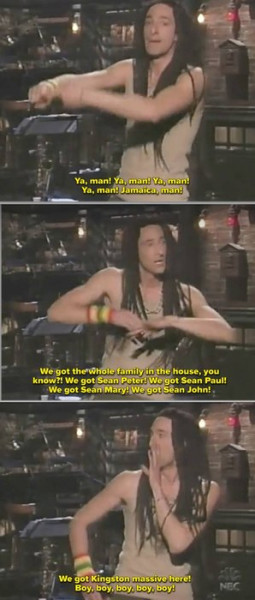
Adrien Brody created a very different kind of surprise when he introduced musical performer Sean Paul. Brody appeared wearing fake locs and spoke in a Jamaican accent while delivering an unscripted introduction that lasted roughly three quarters of a minute. The performance was widely viewed as offensive and uncomfortable, and the studio audience seemed unsure how to respond. A long-running rumor claimed that Brody was barred from returning to the show afterward, although he later said he did not know whether that was actually true.
Breaking Character Became the Main Event
Kristen Stewart accidentally used the F-word during her opening monologue. Several people had reminded her during preparation that profanity was not allowed during the live broadcast because she had struggled with it during rehearsals. Despite those warnings, the mistake happened on camera. Stewart immediately tried to recover by joking that she would never be invited back. The situation did not end her relationship with the show, however, because she later returned to host again.
Ryan Gosling also had trouble staying serious during a sketch about people describing alien abductions. Kate McKinnon's character told increasingly bizarre stories, including one about being thrown onto the roof of a seafood restaurant. Gosling repeatedly began laughing during rehearsals and struggled to hold it together during the live performance. McKinnon seemed to understand exactly how to make the other performers break. She adjusted her posture, widened her stance, and changed her timing until Bobby Moynihan, Aidy Bryant, and others began laughing as well. Her control of the scene made the cast's reactions even funnier.
Will Ferrell deliberately tried to make Jimmy Fallon laugh during a sketch about a pair of overly dramatic lovers. Ferrell later explained that the sketch was largely created because he wanted to make Fallon lose control, which was not difficult. During the live performance, Ferrell tried to reach under the water, pinch Fallon, and put his foot in an uncomfortable position. Fallon repeatedly broke character and later said that the show's creator and writers were unhappy with how often he laughed. Ferrell and Fallon, however, clearly enjoyed the challenge.
Pete Davidson could not stop laughing during “Diner Lobster,” a large musical parody inspired by Les Misérables. John Mulaney and Colin Jost had originally written the concept years earlier, but it did not make it onto the show at first. When Mulaney eventually hosted, the sketch was revived and built toward a huge audience reaction. Davidson called it one of his favorite sketches because the idea was so absurd. He played a role in the scene but admitted that performing a dramatic musical number involving a lobster in a diner made it nearly impossible for him to remain serious.
Unscripted Politics and Serious Protest
A musical guest caused visible discomfort when he delivered an extended political speech after performing an additional song. He wore a red political campaign hat and said that people backstage had pressured him to remove it. He complained that he had been bullied and compared the treatment to being trapped in a fictional psychological state. Most of the cast stood silently, looked away, or stared at the floor while waiting for the speech to end. Kenan Thompson later said that everyone has the right to express an opinion, but suggested that the stage was not the proper place to hold the cast and audience captive for such a long time.
One of the most serious moments involved Sinéad O'Connor, who performed a version of Bob Marley's “War” while protesting child abuse within the Catholic Church. During the song, she held up a photograph of Pope John Paul II as she sang about evil. She tore the picture into pieces, urged viewers to fight the real enemy, and extinguished candles in front of a silent audience. O'Connor had planned the protest because she believed the church had known about abuse for years.
The response was severe. Her albums were destroyed, concert crowds booed her, and many people treated her as unstable. O'Connor later explained that she never felt comfortable being shaped into a conventional pop star because she saw herself as a protest singer. She also said that she did not regret the protest, even though the experience was deeply traumatic. For her, the live broadcast became an opportunity to make a statement about an issue she believed could not be ignored.
When Mistakes Fit the Script
Candice Bergen created another memorable moment during a sketch built around a character who was supposed to be much smarter than Gilda Radner's character. Bergen kept making mistakes, but those errors unexpectedly strengthened the joke. Instead of ruining the scene, her struggles made the supposedly superior character appear less capable. Bergen also holds an important place in the show's history as its first female host. Her appearance demonstrated how a live mistake can sometimes improve a performance rather than damage it.
These moments show why live sketch comedy remains unpredictable. A forgotten line, an audience shouting the wrong answer, a runaway wheelchair, or a performer suddenly abandoning the script can change an entire scene. Some incidents are harmless and hilarious, while others reveal serious disagreements about politics, religion, or social issues. Once broadcast, each moment becomes part of the show's history, proving that the most memorable television is sometimes created when nobody knows exactly what will happen next.
Unexpected Words and Audience Reactions
One recent mistake happened during a sketch inspired by Green Eggs and Ham. Andrew Dismukes played Sam-I-Am, who was trying to convince a grouchy man to try the unusual meal. Shane Gillis played the man's frustrated son, whose written line was supposed to be, “He said he doesn't like them.” Instead, Gillis began saying, “He said he doesn't fuckin'—” before stopping himself and shouting, “Jeez!” He then waved at the camera while Dismukes stared ahead in obvious disbelief. Gillis later apologized during the closing portion of the show, admitting that he had enjoyed the episode despite the mistake.
Another surprise came during a fake stand-up appearance by Ego Nwodim's character, Miss Eggy. The character was discussing a formal dinner connected to Washington politics and asked the audience, “'Cause these men ain't what?” The planned answer was supposed to be something like “worth a damn.” Instead, the entire crowd shouted, “Shit!” Nwodim, Colin Jost, and Michael Che all reacted with shocked gasps. Nwodim quickly improvised that they were probably going to be fined, then gave the audience the intended response. The cast had never expected the crowd to answer that way, so the entire exchange unfolded in real time.
When the Set Became Part of the Comedy
Bill Hader caused an entire sketch to unravel when he struggled to control an electric wheelchair during a scene called “Girlfriends Game Night.” Cecily Strong played a woman desperate to become pregnant while her friends played cards nearby. Since the performers were not allowed to physically simulate sex, Hader had to move the wheelchair instead of moving his body. The chair was difficult to steer, and he repeatedly crashed into the set.
At one point, Hader backed into something and heard Melissa Villaseñor telling him that it was her. He then realized that Aidy Bryant was also behind him, which meant he had accidentally pushed an entire table across the room. The cast members tried to continue the scene, but the unexpected movement made it nearly impossible for them to keep straight faces. The accident became one of the sketch's funniest moments because the confusion was genuine.
Adrien Brody created a very different kind of surprise when he introduced musical performer Sean Paul. Brody appeared wearing fake locs and spoke in a Jamaican accent while delivering an unscripted introduction that lasted roughly three quarters of a minute. The performance was widely viewed as offensive and uncomfortable, and the studio audience seemed unsure how to respond. A long-running rumor claimed that Brody was barred from returning to the show afterward, although he later said he did not know whether that was actually true.
Breaking Character Became the Main Event
Kristen Stewart accidentally used the F-word during her opening monologue. Several people had reminded her during preparation that profanity was not allowed during the live broadcast because she had struggled with it during rehearsals. Despite those warnings, the mistake happened on camera. Stewart immediately tried to recover by joking that she would never be invited back. The situation did not end her relationship with the show, however, because she later returned to host again.
Ryan Gosling also had trouble staying serious during a sketch about people describing alien abductions. Kate McKinnon's character told increasingly bizarre stories, including one about being thrown onto the roof of a seafood restaurant. Gosling repeatedly began laughing during rehearsals and struggled to hold it together during the live performance. McKinnon seemed to understand exactly how to make the other performers break. She adjusted her posture, widened her stance, and changed her timing until Bobby Moynihan, Aidy Bryant, and others began laughing as well. Her control of the scene made the cast's reactions even funnier.
Will Ferrell deliberately tried to make Jimmy Fallon laugh during a sketch about a pair of overly dramatic lovers. Ferrell later explained that the sketch was largely created because he wanted to make Fallon lose control, which was not difficult. During the live performance, Ferrell tried to reach under the water, pinch Fallon, and put his foot in an uncomfortable position. Fallon repeatedly broke character and later said that the show's creator and writers were unhappy with how often he laughed. Ferrell and Fallon, however, clearly enjoyed the challenge.
Pete Davidson could not stop laughing during “Diner Lobster,” a large musical parody inspired by Les Misérables. John Mulaney and Colin Jost had originally written the concept years earlier, but it did not make it onto the show at first. When Mulaney eventually hosted, the sketch was revived and built toward a huge audience reaction. Davidson called it one of his favorite sketches because the idea was so absurd. He played a role in the scene but admitted that performing a dramatic musical number involving a lobster in a diner made it nearly impossible for him to remain serious.
Unscripted Politics and Serious Protest
A musical guest caused visible discomfort when he delivered an extended political speech after performing an additional song. He wore a red political campaign hat and said that people backstage had pressured him to remove it. He complained that he had been bullied and compared the treatment to being trapped in a fictional psychological state. Most of the cast stood silently, looked away, or stared at the floor while waiting for the speech to end. Kenan Thompson later said that everyone has the right to express an opinion, but suggested that the stage was not the proper place to hold the cast and audience captive for such a long time.
One of the most serious moments involved Sinéad O'Connor, who performed a version of Bob Marley's “War” while protesting child abuse within the Catholic Church. During the song, she held up a photograph of Pope John Paul II as she sang about evil. She tore the picture into pieces, urged viewers to fight the real enemy, and extinguished candles in front of a silent audience. O'Connor had planned the protest because she believed the church had known about abuse for years.
The response was severe. Her albums were destroyed, concert crowds booed her, and many people treated her as unstable. O'Connor later explained that she never felt comfortable being shaped into a conventional pop star because she saw herself as a protest singer. She also said that she did not regret the protest, even though the experience was deeply traumatic. For her, the live broadcast became an opportunity to make a statement about an issue she believed could not be ignored.
When Mistakes Fit the Script
Candice Bergen created another memorable moment during a sketch built around a character who was supposed to be much smarter than Gilda Radner's character. Bergen kept making mistakes, but those errors unexpectedly strengthened the joke. Instead of ruining the scene, her struggles made the supposedly superior character appear less capable. Bergen also holds an important place in the show's history as its first female host. Her appearance demonstrated how a live mistake can sometimes improve a performance rather than damage it.
These moments show why live sketch comedy remains unpredictable. A forgotten line, an audience shouting the wrong answer, a runaway wheelchair, or a performer suddenly abandoning the script can change an entire scene. Some incidents are harmless and hilarious, while others reveal serious disagreements about politics, religion, or social issues. Once broadcast, each moment becomes part of the show's history, proving that the most memorable television is sometimes created when nobody knows exactly what will happen next.