
Political differences can exist inside families for years without ending a relationship. People may vote differently, debate public issues, or avoid certain topics at family gatherings. For some families, however, the conflict grows beyond ordinary disagreement. Relatives described situations involving immigration, conspiracy theories, violence, religion, race, public health, and attempts to influence children. In these accounts, the final break came when political beliefs began to affect personal safety, family values, or the way loved ones treated one another.

When Political Beliefs Became Personal
One person ended contact with their mother after she supported the invasion of Ukraine and repeated claims that the conflict was necessary to protect people from an allegedly dangerous government. Each time one explanation was disproved, the mother appeared to adopt another explanation. Her child eventually felt that no honest conversation could change her mind and chose to end the relationship.
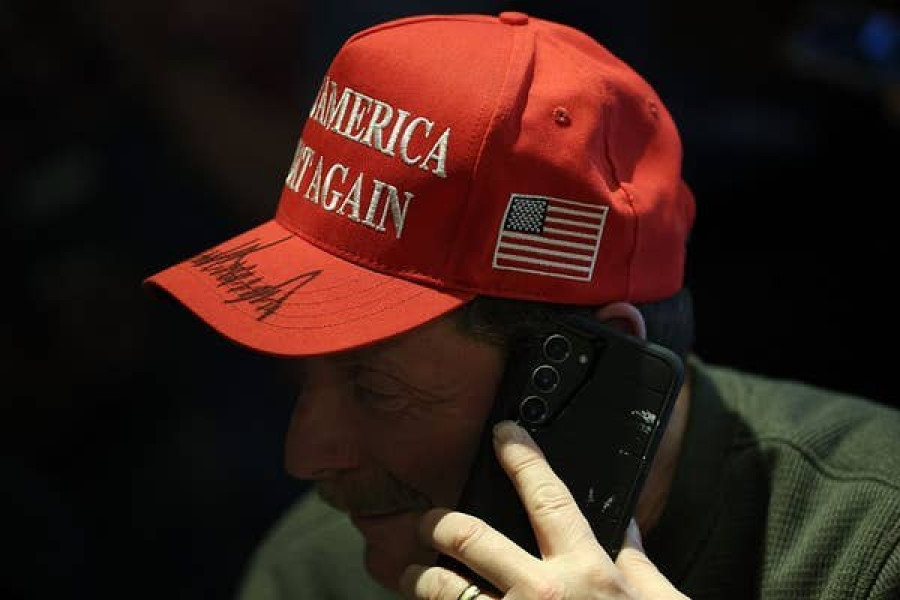
Another person reached a breaking point after their father said peaceful protesters should be killed for refusing to follow police orders. The same father had previously supported an armed group that confronted federal agents, blocked law enforcement from carrying out warrants, and made direct threats. The contradiction made the adult child believe that the father would consider their own death justified under similar circumstances. Even though the father continued sending messages asking to restore the relationship, the contact remained broken.
An immigrant from Latin America cut ties with a foster family because its members supported harsh immigration policies. The person said the decision was especially painful because the family had once provided care and support. After being shown evidence of how immigrants were being treated, the foster mother responded with anger rather than concern. The relationship was reduced to limited contact for social or legal matters, and the person no longer viewed the foster family as actual family.

Conspiracy Theories and Changing Family Relationships
One adult described a father who had once voted for members of a center-left political party and generally believed people should be free to live as they wished. He had also long been interested in conspiracy theories. Over several years, those beliefs developed into support for an online conspiracy movement and a strong commitment to the modern conservative movement. During an argument, the father blamed his child’s progressive views for his own political change. He also praised arrests of undocumented immigrants while dismissing concerns that citizens could be detained because immigration rules kept changing. When asked how he would react if his child’s wife, a naturalized Chinese adoptee, were arrested, he replied only that it would be unfortunate. The conversation ended the relationship as it had existed before.

Another family member described a father who supported former President Donald Trump, prepared extensively for disasters, and expressed racist views. The family itself was diverse: one child married a Jewish person, another married a Black person, and a grandson had autism. The father described his grandchildren with labels such as “good” members of their racial or religious groups and suggested that the autistic child simply needed to work harder. Conversations became limited to brief exchanges, and the family member said the growing hostility had made a close relationship impossible.
A parent of two young children stopped allowing contact with their father after hearing him defend Jeffrey Epstein. The parent left the interaction and did not return. At that point, the grandfather had not seen one of the children since the child was three months old.
Distance After Marriage, Children, and Family Events
One person became distant from a cousin after learning that the cousin’s partner strongly supported the Canadian version of the same political movement. The cousin, who was a woman of color and had previously been viewed as compassionate, appeared to accept her partner’s beliefs. Because the couple had a child together, the family member felt that the cousin might be tied to the relationship permanently. The cousin’s father also supported the movement, adding to the desire for distance from that side of the family.
Another person chose not to attend a family gathering after seeing that an aunt and uncle had created a display celebrating Donald Trump. Although the person still appreciated help received from extended relatives in the past, the number of family members supporting the movement had become too uncomfortable. The person had continued to show basic kindness, including dropping off groceries after the uncle died, but did not feel able to return to large family events.
Not every account involved cutting off relatives over conservative politics. One self-described conservative voter said their left-leaning parents repeatedly tried to discuss Donald Trump. This person said they had voted for him twice but did not strongly support him and believed the available alternatives had been worse. The main source of conflict was not disagreement itself, but the parents’ repeated attempts to debate politics and their reliance on television commentary rather than reading full legal opinions or detailed reporting. The person said those conversations had made normal communication difficult.
Protecting Children From Political Messages
One person said nearly all of their close and extended relatives supported Donald Trump. Their father avoided political discussions, but the relationship had become less close, and television news was always playing loudly in his home. Their mother regularly posted political attacks online and eventually tried to influence the person’s ten-year-old daughter with anti-immigrant and anti-democratic messages without permission. The child recognized that the claims were wrong, but the parent still ended contact with the mother because the attempt had crossed a serious boundary.
Another adult said conversations with their father had become nearly impossible because every subject turned into a political argument. A garden struggling in hot weather became a debate about climate change. A road trip led to claims about fuel prices and drilling. Paying for a child’s reading tutor prompted attacks on public schools, while fertility treatment led to criticism of publicly funded health care even though the father used military health benefits and veterans’ medical services. The father also blamed teachers’ unions for school problems and questioned what had caused the family’s autistic son to exist, saying autism had not been common in the past. These repeated exchanges made it impossible to share ordinary parts of life.
When the Conflict Affected Work and Security
One person said their relationship with their mother finally ended after she became deeply involved in political conspiracies. Her theories included claims about money, astrology, government takeovers, and an upcoming collapse of society. She said she was being persecuted for her beliefs during a church study group and treated a routine emergency alert test as a possible signal that a violent government change was beginning. She also persuaded her husband to leave a stable, well-paid job with a pension only a few years before retirement because the workplace required vaccination. The family member felt unable to continue living with those fears and decisions.
Another person had already felt hurt after their parents voted for Donald Trump. The final break came after the person earned a dream position as a scientist with the National Park Service and then lost the job through a federal efficiency program. The loss affected their career, financial stability, and home. Their parents had once been proud of the work, which made the experience even more painful. The person came to associate the political movement with the sudden collapse of the life they had worked to build.
Across these accounts, the decision to end contact rarely came from a single vote. The stated breaking points involved threats, discrimination, conspiracy claims, disrespect for personal boundaries, attempts to influence children, and political beliefs that entered every part of family life. For these individuals, distance became a way to protect their households and preserve their own values when continued contact no longer felt workable.
When Political Beliefs Became Personal
One person ended contact with their mother after she supported the invasion of Ukraine and repeated claims that the conflict was necessary to protect people from an allegedly dangerous government. Each time one explanation was disproved, the mother appeared to adopt another explanation. Her child eventually felt that no honest conversation could change her mind and chose to end the relationship.
Another person reached a breaking point after their father said peaceful protesters should be killed for refusing to follow police orders. The same father had previously supported an armed group that confronted federal agents, blocked law enforcement from carrying out warrants, and made direct threats. The contradiction made the adult child believe that the father would consider their own death justified under similar circumstances. Even though the father continued sending messages asking to restore the relationship, the contact remained broken.
An immigrant from Latin America cut ties with a foster family because its members supported harsh immigration policies. The person said the decision was especially painful because the family had once provided care and support. After being shown evidence of how immigrants were being treated, the foster mother responded with anger rather than concern. The relationship was reduced to limited contact for social or legal matters, and the person no longer viewed the foster family as actual family.
Conspiracy Theories and Changing Family Relationships
One adult described a father who had once voted for members of a center-left political party and generally believed people should be free to live as they wished. He had also long been interested in conspiracy theories. Over several years, those beliefs developed into support for an online conspiracy movement and a strong commitment to the modern conservative movement. During an argument, the father blamed his child’s progressive views for his own political change. He also praised arrests of undocumented immigrants while dismissing concerns that citizens could be detained because immigration rules kept changing. When asked how he would react if his child’s wife, a naturalized Chinese adoptee, were arrested, he replied only that it would be unfortunate. The conversation ended the relationship as it had existed before.
Another family member described a father who supported former President Donald Trump, prepared extensively for disasters, and expressed racist views. The family itself was diverse: one child married a Jewish person, another married a Black person, and a grandson had autism. The father described his grandchildren with labels such as “good” members of their racial or religious groups and suggested that the autistic child simply needed to work harder. Conversations became limited to brief exchanges, and the family member said the growing hostility had made a close relationship impossible.
A parent of two young children stopped allowing contact with their father after hearing him defend Jeffrey Epstein. The parent left the interaction and did not return. At that point, the grandfather had not seen one of the children since the child was three months old.
Distance After Marriage, Children, and Family Events
One person became distant from a cousin after learning that the cousin’s partner strongly supported the Canadian version of the same political movement. The cousin, who was a woman of color and had previously been viewed as compassionate, appeared to accept her partner’s beliefs. Because the couple had a child together, the family member felt that the cousin might be tied to the relationship permanently. The cousin’s father also supported the movement, adding to the desire for distance from that side of the family.
Another person chose not to attend a family gathering after seeing that an aunt and uncle had created a display celebrating Donald Trump. Although the person still appreciated help received from extended relatives in the past, the number of family members supporting the movement had become too uncomfortable. The person had continued to show basic kindness, including dropping off groceries after the uncle died, but did not feel able to return to large family events.
Not every account involved cutting off relatives over conservative politics. One self-described conservative voter said their left-leaning parents repeatedly tried to discuss Donald Trump. This person said they had voted for him twice but did not strongly support him and believed the available alternatives had been worse. The main source of conflict was not disagreement itself, but the parents’ repeated attempts to debate politics and their reliance on television commentary rather than reading full legal opinions or detailed reporting. The person said those conversations had made normal communication difficult.
Protecting Children From Political Messages
One person said nearly all of their close and extended relatives supported Donald Trump. Their father avoided political discussions, but the relationship had become less close, and television news was always playing loudly in his home. Their mother regularly posted political attacks online and eventually tried to influence the person’s ten-year-old daughter with anti-immigrant and anti-democratic messages without permission. The child recognized that the claims were wrong, but the parent still ended contact with the mother because the attempt had crossed a serious boundary.
Another adult said conversations with their father had become nearly impossible because every subject turned into a political argument. A garden struggling in hot weather became a debate about climate change. A road trip led to claims about fuel prices and drilling. Paying for a child’s reading tutor prompted attacks on public schools, while fertility treatment led to criticism of publicly funded health care even though the father used military health benefits and veterans’ medical services. The father also blamed teachers’ unions for school problems and questioned what had caused the family’s autistic son to exist, saying autism had not been common in the past. These repeated exchanges made it impossible to share ordinary parts of life.
When the Conflict Affected Work and Security
One person said their relationship with their mother finally ended after she became deeply involved in political conspiracies. Her theories included claims about money, astrology, government takeovers, and an upcoming collapse of society. She said she was being persecuted for her beliefs during a church study group and treated a routine emergency alert test as a possible signal that a violent government change was beginning. She also persuaded her husband to leave a stable, well-paid job with a pension only a few years before retirement because the workplace required vaccination. The family member felt unable to continue living with those fears and decisions.
Another person had already felt hurt after their parents voted for Donald Trump. The final break came after the person earned a dream position as a scientist with the National Park Service and then lost the job through a federal efficiency program. The loss affected their career, financial stability, and home. Their parents had once been proud of the work, which made the experience even more painful. The person came to associate the political movement with the sudden collapse of the life they had worked to build.
Across these accounts, the decision to end contact rarely came from a single vote. The stated breaking points involved threats, discrimination, conspiracy claims, disrespect for personal boundaries, attempts to influence children, and political beliefs that entered every part of family life. For these individuals, distance became a way to protect their households and preserve their own values when continued contact no longer felt workable.