
The tradwife fantasy has a suspiciously good wardrobe: fresh bread, a spotless kitchen, and a husband who handles the money. But the women who’ve actually lived that arrangement have notes, and some of them are less “cottagecore” and more “please know where the bank account is.”
They don’t all regret staying home. They do agree that a life built around someone else can get shaky fast when illness, divorce, money trouble, or a change of heart shows up. Here are 14 things they wish young women would think through before making homemaking the whole plan.
1. Make the prenup worth signing
A 45-year-old Georgia woman says to get a prenup even if you’re sure your husband would never leave you for someone half your age. She suggests spelling out serious consequences for infidelity or violence, and says that if a partner refuses to sign or tries to talk you out of it, walk away. Her point is simple: promises are not a financial plan.
2. Twenty-seven years is a long time to be unprepared
One woman watched a friend give up her STEM career to raise children and host business dinners. After 27 years, the friend’s husband left her for a younger woman. The lesson: don’t give up your ability to earn an income without a plan for how you’d support yourself.

3. Build a safety net, not just a household
A former homemaker warns that relying on one person for your survival can go wrong in more than one way. A husband could leave, become disabled, or die. She recommends life insurance, retirement savings in your own name, and keeping some work experience on your résumé. And unpaid domestic labor has real value: if your partner had to hire someone to do it all, it would cost money.
4. Your feet may have opinions
A 54-year-old Texan doesn’t regret her marriage, but says she wasn’t ready for how much her feet would hurt from standing in the kitchen, vacuuming, and dusting all day. Her practical advice for anyone taking on that workload: invest in good shoes. Your arches do not care about the aesthetic.

5. A smaller paycheck can still mean all the chores
One woman quit a job that would be worth a little over $30 an hour today after her husband asked her to stay home. She was expected to handle the housework, make dinner, bring lunch to his workplace, and send him naked photos. Less than a year later, rising bills pushed her back to work, but her old job was gone. She took a lower-paying job and still carried the household workload.
She says her husband used her failure to keep his work shirts clean as an excuse for abusing her. He controlled what she did, blamed her for money problems and household messes, and forgot her birthday and Christmas while finding money to help friends. After work, he went straight to the computer; occasionally, he mowed the lawn. That’s a lot of responsibility for one person, and not much partnership.
6. Staying home isn’t automatically easier
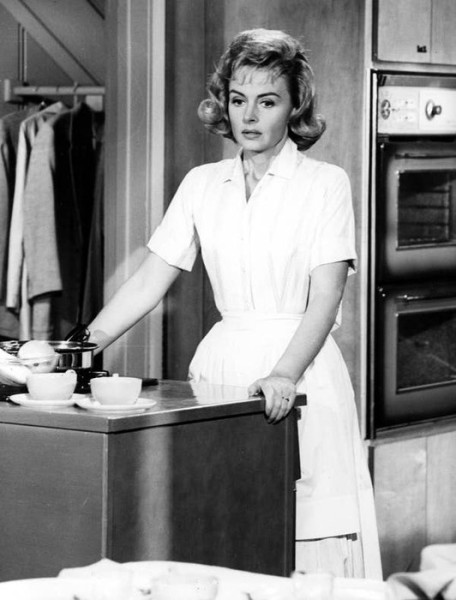
A 46-year-old South Carolina mother of three once owned a successful business and worked through her pregnancies, returning within two weeks of giving birth. Now that she’s home, she says she’s still exhausted: she cooks, cleans, handles the family schedule, and volunteers as room mom because she’s the only non-working mother in the class. When she worked, she could justify hiring a cleaner or ordering takeout. Now she has to plead her case for it.
She likes being home and is glad she has the option, but says years in her profession left her with something to fall back on. She believes homemakers should build skills and respect in a field before giving up work entirely. It’s easier to choose a role when you can also choose your way out of it.
7. Give the relationship time to grow up
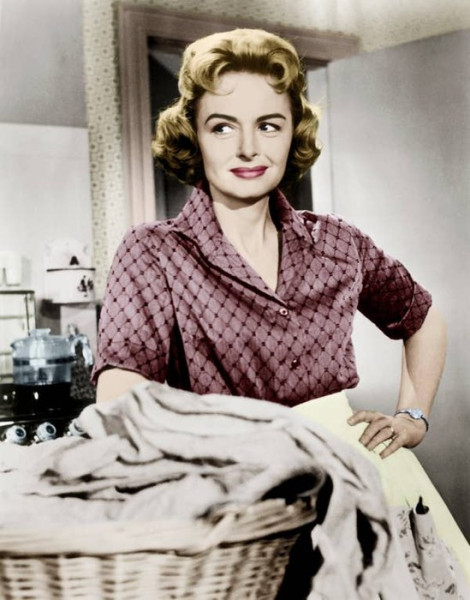
A happily married tradwife says marrying before 25 can feel like buying a “blind box”: you don’t know exactly what you’re getting. A man at 22 may not be the same person at 32, and a couple may not discover until years later that one partner is doing most of the work. Her advice isn’t to avoid traditional marriage. It’s to take time, get some life experience, and make sure both people actually want the arrangement, not just the image of it.
8. The work never really clocks out
One former tradwife found the life isolating and frustrating because the work never ended. She mopped daily, obsessed over cleaning, and missed having her own money. Floors can wait. Your whole day shouldn’t have to revolve around them.

9. Make homemaking part of your life, not your whole identity
A woman whose mother was a tradwife says there’s nothing wrong with learning domestic skills or taking pride in a comfortable home. But her mother’s advice was not to put all your eggs in one basket. Relationships, locations, and family circumstances can change, so you need to know how to take care of yourself, too. Homemaking can be a choice; “traditional” doesn’t automatically mean good for you.
10. Experience makes staying home a choice
One woman’s mother married at 20 after barely finishing high school, moving straight from her parents’ home to her husband’s. She never went to college or traveled. Her father, a Vietnam veteran with PTSD, drank heavily and worked low-paying blue-collar jobs. Her mother was extremely unhappy.
The daughter later stayed home herself, but only after earning two college degrees, building more than 10 years of work experience, and traveling. She enjoyed gardening, cooking, and homeschooling, then returned to work when her child entered public middle school. Her advice: maintain job skills, keep your name on shared accounts and property, divide household tasks, and talk plainly about what you need.
11. Keep some money and skills of your own
Another former homemaker says even a happy marriage can be upended by illness, job loss, or other surprises. Women with children and a long gap in their work history can struggle to get back on their feet. If you choose to stay home, she recommends having a backup plan, keeping some money of your own, and staying current in your field through part-time work or occasional consulting.
12. Her mother’s advice was simple: have your own money
One woman’s mother had five children between ages 19 and 26, with all five under 7. She loved being a mother and managed a large house with help from the children’s grandmother, who lived with them. After the parents divorced when the children were grown, her mother went back to school and earned a doctorate. She seems to have valued the life she had, but still told her daughters to make sure they had their own money.
13. A church can make questioning the rules feel impossible
One woman describes her mother’s traditional life under a small Pentecostal church, which set expectations for her clothing, activities, and parenting. Her mother believed in the values but was also dissatisfied and felt unable to question them. The church taught that faith meant not needing medicine, doctors, vaccines, or even an emergency-room visit. When her daughter had a serious head injury as a toddler, her mother was terrified but didn’t feel she could push back.
Her mother has been divorced and out of that lifestyle for more than 20 years, but still struggles with guilt and shame. The family now sometimes compares the church to a cult. That’s a lot to carry long after leaving.
14. She still wonders what the Peace Corps might have been
A 40-year-old Virginia woman planned to join the Peace Corps after college, but married instead. She had four children, became their primary caregiver, and followed her husband’s job to a new state every two years. She loved staying home with the children when they were young, but says the years left her lonely, without nearby family or much of a life beyond parenting.
She eventually earned a master’s degree and started a career. Her husband resented the change, refused counseling, and was dating someone else six months after she asked to separate. They are now divorced; she says she feels more fulfilled, her children are doing well, and she has been able to travel. She wishes she’d pursued the Peace Corps and expected her husband to share the parenting. Keeping something that belonged just to her, she thinks, might have changed how things unfolded.
What would you want a young woman to understand before choosing this kind of life?
They don’t all regret staying home. They do agree that a life built around someone else can get shaky fast when illness, divorce, money trouble, or a change of heart shows up. Here are 14 things they wish young women would think through before making homemaking the whole plan.
1. Make the prenup worth signing
A 45-year-old Georgia woman says to get a prenup even if you’re sure your husband would never leave you for someone half your age. She suggests spelling out serious consequences for infidelity or violence, and says that if a partner refuses to sign or tries to talk you out of it, walk away. Her point is simple: promises are not a financial plan.
2. Twenty-seven years is a long time to be unprepared
One woman watched a friend give up her STEM career to raise children and host business dinners. After 27 years, the friend’s husband left her for a younger woman. The lesson: don’t give up your ability to earn an income without a plan for how you’d support yourself.
3. Build a safety net, not just a household
A former homemaker warns that relying on one person for your survival can go wrong in more than one way. A husband could leave, become disabled, or die. She recommends life insurance, retirement savings in your own name, and keeping some work experience on your résumé. And unpaid domestic labor has real value: if your partner had to hire someone to do it all, it would cost money.
4. Your feet may have opinions
A 54-year-old Texan doesn’t regret her marriage, but says she wasn’t ready for how much her feet would hurt from standing in the kitchen, vacuuming, and dusting all day. Her practical advice for anyone taking on that workload: invest in good shoes. Your arches do not care about the aesthetic.
5. A smaller paycheck can still mean all the chores
One woman quit a job that would be worth a little over $30 an hour today after her husband asked her to stay home. She was expected to handle the housework, make dinner, bring lunch to his workplace, and send him naked photos. Less than a year later, rising bills pushed her back to work, but her old job was gone. She took a lower-paying job and still carried the household workload.
She says her husband used her failure to keep his work shirts clean as an excuse for abusing her. He controlled what she did, blamed her for money problems and household messes, and forgot her birthday and Christmas while finding money to help friends. After work, he went straight to the computer; occasionally, he mowed the lawn. That’s a lot of responsibility for one person, and not much partnership.
6. Staying home isn’t automatically easier
A 46-year-old South Carolina mother of three once owned a successful business and worked through her pregnancies, returning within two weeks of giving birth. Now that she’s home, she says she’s still exhausted: she cooks, cleans, handles the family schedule, and volunteers as room mom because she’s the only non-working mother in the class. When she worked, she could justify hiring a cleaner or ordering takeout. Now she has to plead her case for it.
She likes being home and is glad she has the option, but says years in her profession left her with something to fall back on. She believes homemakers should build skills and respect in a field before giving up work entirely. It’s easier to choose a role when you can also choose your way out of it.
7. Give the relationship time to grow up
A happily married tradwife says marrying before 25 can feel like buying a “blind box”: you don’t know exactly what you’re getting. A man at 22 may not be the same person at 32, and a couple may not discover until years later that one partner is doing most of the work. Her advice isn’t to avoid traditional marriage. It’s to take time, get some life experience, and make sure both people actually want the arrangement, not just the image of it.
8. The work never really clocks out
One former tradwife found the life isolating and frustrating because the work never ended. She mopped daily, obsessed over cleaning, and missed having her own money. Floors can wait. Your whole day shouldn’t have to revolve around them.
9. Make homemaking part of your life, not your whole identity
A woman whose mother was a tradwife says there’s nothing wrong with learning domestic skills or taking pride in a comfortable home. But her mother’s advice was not to put all your eggs in one basket. Relationships, locations, and family circumstances can change, so you need to know how to take care of yourself, too. Homemaking can be a choice; “traditional” doesn’t automatically mean good for you.
10. Experience makes staying home a choice
One woman’s mother married at 20 after barely finishing high school, moving straight from her parents’ home to her husband’s. She never went to college or traveled. Her father, a Vietnam veteran with PTSD, drank heavily and worked low-paying blue-collar jobs. Her mother was extremely unhappy.
The daughter later stayed home herself, but only after earning two college degrees, building more than 10 years of work experience, and traveling. She enjoyed gardening, cooking, and homeschooling, then returned to work when her child entered public middle school. Her advice: maintain job skills, keep your name on shared accounts and property, divide household tasks, and talk plainly about what you need.
11. Keep some money and skills of your own
Another former homemaker says even a happy marriage can be upended by illness, job loss, or other surprises. Women with children and a long gap in their work history can struggle to get back on their feet. If you choose to stay home, she recommends having a backup plan, keeping some money of your own, and staying current in your field through part-time work or occasional consulting.
12. Her mother’s advice was simple: have your own money
One woman’s mother had five children between ages 19 and 26, with all five under 7. She loved being a mother and managed a large house with help from the children’s grandmother, who lived with them. After the parents divorced when the children were grown, her mother went back to school and earned a doctorate. She seems to have valued the life she had, but still told her daughters to make sure they had their own money.
13. A church can make questioning the rules feel impossible
One woman describes her mother’s traditional life under a small Pentecostal church, which set expectations for her clothing, activities, and parenting. Her mother believed in the values but was also dissatisfied and felt unable to question them. The church taught that faith meant not needing medicine, doctors, vaccines, or even an emergency-room visit. When her daughter had a serious head injury as a toddler, her mother was terrified but didn’t feel she could push back.
Her mother has been divorced and out of that lifestyle for more than 20 years, but still struggles with guilt and shame. The family now sometimes compares the church to a cult. That’s a lot to carry long after leaving.
14. She still wonders what the Peace Corps might have been
A 40-year-old Virginia woman planned to join the Peace Corps after college, but married instead. She had four children, became their primary caregiver, and followed her husband’s job to a new state every two years. She loved staying home with the children when they were young, but says the years left her lonely, without nearby family or much of a life beyond parenting.
She eventually earned a master’s degree and started a career. Her husband resented the change, refused counseling, and was dating someone else six months after she asked to separate. They are now divorced; she says she feels more fulfilled, her children are doing well, and she has been able to travel. She wishes she’d pursued the Peace Corps and expected her husband to share the parenting. Keeping something that belonged just to her, she thinks, might have changed how things unfolded.
What would you want a young woman to understand before choosing this kind of life?