
Owning a home often comes with a long list of tempting upgrades. A pool may seem perfect for summer, a luxury bathroom may look like a private retreat, and expensive flooring can appear to promise years of beauty. But some improvements cost far more to install, maintain, or repair than homeowners expect. Many people eventually discover that the most expensive option is not always the most useful one. From connected appliances to elaborate outdoor features, these are 23 purchases and projects homeowners say they would think twice about repeating.
Luxury Features That Often Go Unused
1. Internet-connected appliances may sound convenient, but many homeowners see little practical value in giving a refrigerator or another appliance Wi-Fi access. A smart appliance can cost more without making everyday household tasks easier. For some people, a refrigerator only needs to keep food cold, not connect to the internet.
2. Expensive rugs are another common regret. Rugs can be stained, damaged, or quickly replaced as decorating styles change, so paying a premium may not make sense. Clearance rugs can provide color and comfort at a much lower price, especially in busy areas of the home.
3. Pools can be costly from the beginning. Installation may add some value to a property, but usually not enough to recover the full expense. Depending on the location, electricity for the pump, chlorine, and regular maintenance can cost several hundred dollars each month. Pool pumps and filters may also need replacement about every six years.

4. High-end furniture may not survive life with young children or pets. Sofas and chairs can quickly collect stains, scratches, and other damage. Some homeowners prefer using older furniture until children are older, then buying a nicer couch when the risk of serious damage has decreased.
5. Over-the-top bathroom remodels can also be difficult to justify. A bathroom is used several times a day for basic needs such as bathing and using the toilet. While a beautiful space can be enjoyable, a luxury renovation may not provide enough benefit to match its price.

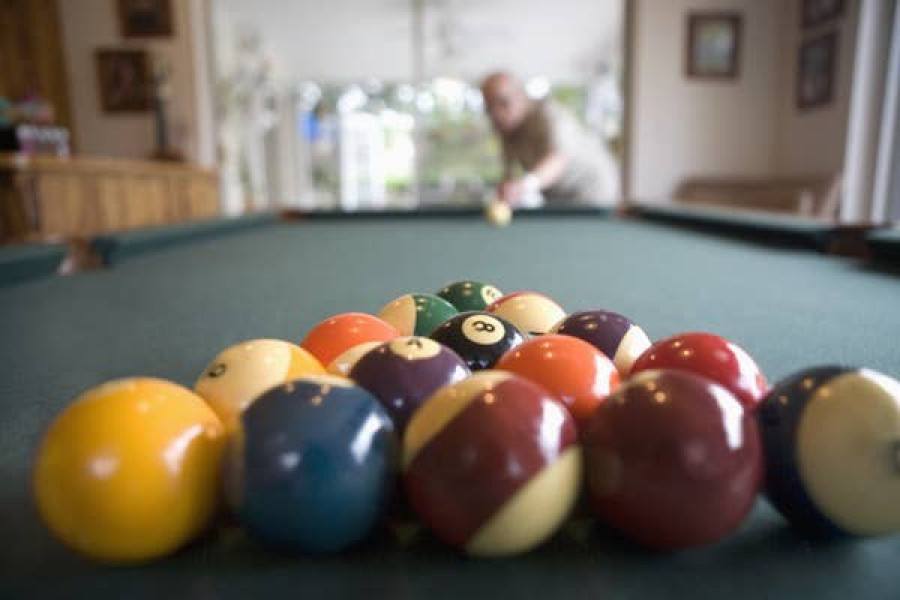
6. A pool table often becomes an expensive piece of storage furniture. Unless the household regularly plays billiards, the table may take up a large amount of space while being used only occasionally. This is especially disappointing when the table eventually has to be moved into storage.
Materials That Look Great but Require Too Much Care
7. Easily damaged surfaces can create constant stress. A butcher block countertop, for example, may look warm and attractive, but it can be a poor choice if the owner is always worried about scratches, marks, or stains from normal cooking. A material that requires excessive caution may not be worth the money.
8. Three-season rooms are another feature some homeowners regret. These spaces may sound useful, but they often go unused and can develop a mildew smell. A screened porch may offer a more practical outdoor area without the same problems.

9. Patterned cement bathroom tiles can be beautiful while still being difficult to live with. Some homeowners have found that these tiles crack, chip, scratch, and stain easily. They may also require a special cleaner. Researching how a material performs over time can be more important than choosing the most attractive design.
10. Marble countertops require especially careful maintenance. Even water can leave stains on the surface, making the material frustrating for a busy kitchen. The elegant appearance may not be worth the daily effort and worry required to keep the marble looking clean.
11. Painted cabinets can become a regret when decorating trends change. A color that looks modern today may feel outdated a few years later. Homeowners with real wood cabinets may be better served by keeping them in their natural condition rather than paying for a finish that could soon look old-fashioned.

12. Electric radiant floors can be pleasant in a bathroom during cold weather, but they may not always be reliable. In one home office, three of five heating sections stopped working after only a year. Because the system was expensive and could not be serviced without removing the floor, the room eventually needed a space heater instead.
Projects You May Be Able to Handle Yourself
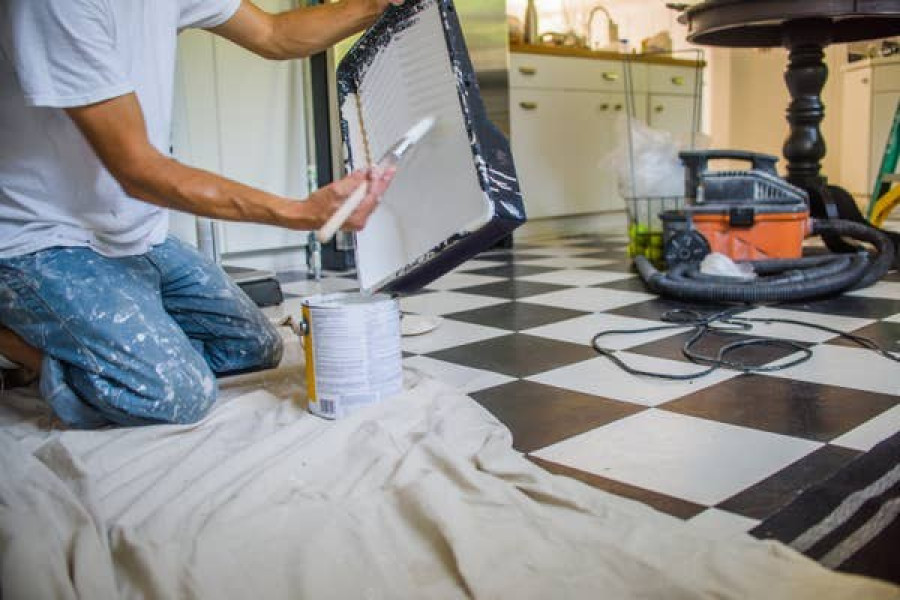
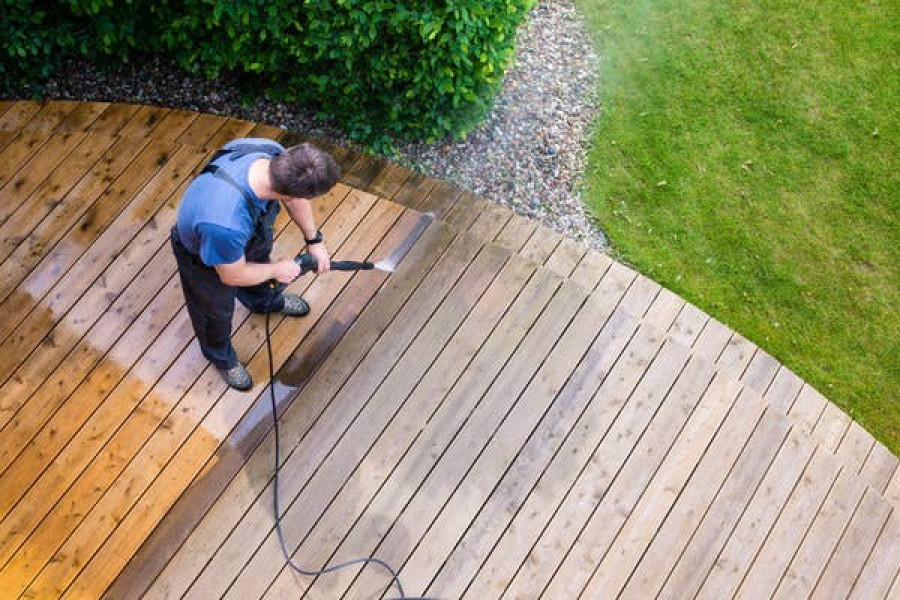
13. Hiring professionals for every small project can quickly drain a renovation budget. Painting, basic landscaping, and power-washing are tasks many homeowners can learn to do themselves. Online tutorials and several trips to a hardware store may save thousands of dollars, while also helping homeowners build useful skills.
14. Professional painting, landscaping, and power-washing services can be particularly expensive when combined. One homeowner completed all of these jobs independently for a few hundred dollars and planned to borrow a power washer for exterior cleaning. Hiring others for the same work could have cost thousands.
15. High-end tools are not necessary for every homeowner. Affordable tools from discount stores, garage sales, or basic hardware collections may be enough for occasional repairs and household projects. Saving a small amount of time with a very expensive saw or another premium tool may not matter if the tool will only be used rarely.
16. Gutter guards may sound like a way to avoid cleaning gutters, but they do not always eliminate the work. Leaves and other debris can still collect, and cleaning may require taking the guards apart first. In some cases, the product adds another step instead of removing one.
Outdoor Upgrades With Hidden Costs

17. Saunas and hot tubs can be exciting when they are first installed. However, the novelty may disappear after a few months. Owners may stop using them because they are inconvenient to maintain or expensive to heat, turning a luxury feature into a costly item that sits unused.
18. Replacing grass with pavers can make a yard easier to maintain, but it may create intense heat. This is especially true in a yard that faces south. Pavers can reflect and release heat, making the area feel twice as hot and causing the heat to last much longer.
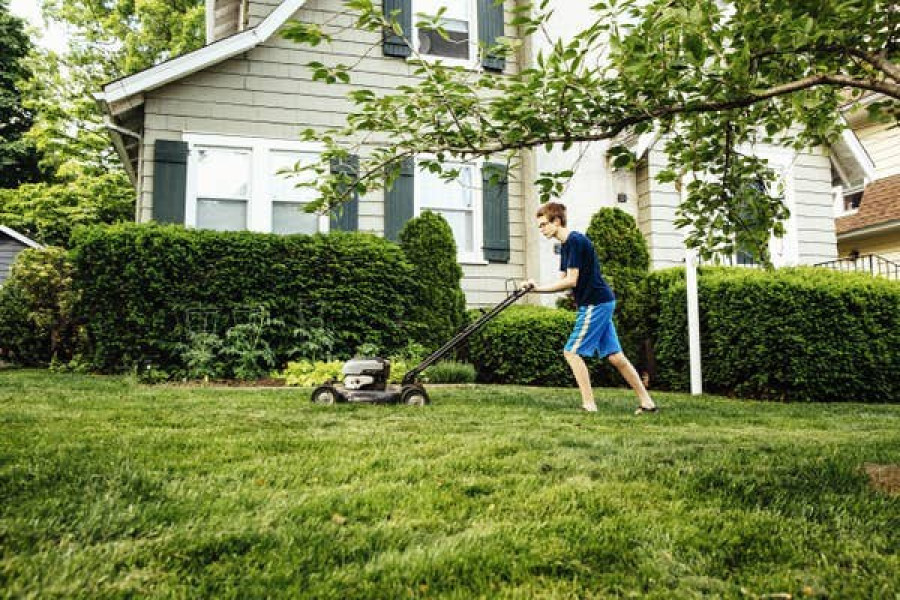
19. Paying for routine lawn care may not be worthwhile for homeowners who have the time and ability to do the work themselves. A mower, weed trimmer, and other attachments can pay for themselves in about two months when compared with the cost of hiring someone regularly.
20. Koi ponds can become far more expensive than expected. The fish require special food, filtration systems, and ongoing care. A first pond may soon seem too small, leading to larger and more elaborate redesigns. Some owners become interested in pond clubs, compare their setups with other people’s ponds, and eventually spend even more on imported fish and upgrades.
Think Carefully Before Remodeling
21. Remodeling a room that is already in good condition can waste money when the goal is only to follow a new trend. Updating an outdated bathroom may be reasonable, but replacing one that was renovated only a few years earlier may provide little real benefit. Useful improvements should usually matter more than short-lived styles.
22. Hardwood floors may not be the best choice for every household. Children, pets, and people who use mobility aids can quickly leave scratches, dents, and other marks. Some homeowners have found that expensive hardwood in a main living room looked badly worn after three years, while much less expensive laminate in another area still looked new.
23. Major projects done too soon can lead to poor spending decisions. Living in a home for a year or two helps reveal how each room is actually used, where storage is lacking, and which repairs matter most. Waiting can prevent homeowners from investing heavily in changes they later discover are unnecessary.
Home improvements are most successful when they match a household’s real habits, budget, and long-term needs. Features that seem impressive can bring high maintenance costs, limited use, or expensive repairs. Before spending heavily, homeowners may benefit from living in the space, researching materials carefully, and considering whether a simpler option would work just as well. The best investment is often the one that makes daily life easier without creating another costly responsibility.
Luxury Features That Often Go Unused
1. Internet-connected appliances may sound convenient, but many homeowners see little practical value in giving a refrigerator or another appliance Wi-Fi access. A smart appliance can cost more without making everyday household tasks easier. For some people, a refrigerator only needs to keep food cold, not connect to the internet.
2. Expensive rugs are another common regret. Rugs can be stained, damaged, or quickly replaced as decorating styles change, so paying a premium may not make sense. Clearance rugs can provide color and comfort at a much lower price, especially in busy areas of the home.
3. Pools can be costly from the beginning. Installation may add some value to a property, but usually not enough to recover the full expense. Depending on the location, electricity for the pump, chlorine, and regular maintenance can cost several hundred dollars each month. Pool pumps and filters may also need replacement about every six years.
4. High-end furniture may not survive life with young children or pets. Sofas and chairs can quickly collect stains, scratches, and other damage. Some homeowners prefer using older furniture until children are older, then buying a nicer couch when the risk of serious damage has decreased.
5. Over-the-top bathroom remodels can also be difficult to justify. A bathroom is used several times a day for basic needs such as bathing and using the toilet. While a beautiful space can be enjoyable, a luxury renovation may not provide enough benefit to match its price.
6. A pool table often becomes an expensive piece of storage furniture. Unless the household regularly plays billiards, the table may take up a large amount of space while being used only occasionally. This is especially disappointing when the table eventually has to be moved into storage.
Materials That Look Great but Require Too Much Care
7. Easily damaged surfaces can create constant stress. A butcher block countertop, for example, may look warm and attractive, but it can be a poor choice if the owner is always worried about scratches, marks, or stains from normal cooking. A material that requires excessive caution may not be worth the money.
8. Three-season rooms are another feature some homeowners regret. These spaces may sound useful, but they often go unused and can develop a mildew smell. A screened porch may offer a more practical outdoor area without the same problems.
9. Patterned cement bathroom tiles can be beautiful while still being difficult to live with. Some homeowners have found that these tiles crack, chip, scratch, and stain easily. They may also require a special cleaner. Researching how a material performs over time can be more important than choosing the most attractive design.
10. Marble countertops require especially careful maintenance. Even water can leave stains on the surface, making the material frustrating for a busy kitchen. The elegant appearance may not be worth the daily effort and worry required to keep the marble looking clean.
11. Painted cabinets can become a regret when decorating trends change. A color that looks modern today may feel outdated a few years later. Homeowners with real wood cabinets may be better served by keeping them in their natural condition rather than paying for a finish that could soon look old-fashioned.
12. Electric radiant floors can be pleasant in a bathroom during cold weather, but they may not always be reliable. In one home office, three of five heating sections stopped working after only a year. Because the system was expensive and could not be serviced without removing the floor, the room eventually needed a space heater instead.
Projects You May Be Able to Handle Yourself
13. Hiring professionals for every small project can quickly drain a renovation budget. Painting, basic landscaping, and power-washing are tasks many homeowners can learn to do themselves. Online tutorials and several trips to a hardware store may save thousands of dollars, while also helping homeowners build useful skills.
14. Professional painting, landscaping, and power-washing services can be particularly expensive when combined. One homeowner completed all of these jobs independently for a few hundred dollars and planned to borrow a power washer for exterior cleaning. Hiring others for the same work could have cost thousands.
15. High-end tools are not necessary for every homeowner. Affordable tools from discount stores, garage sales, or basic hardware collections may be enough for occasional repairs and household projects. Saving a small amount of time with a very expensive saw or another premium tool may not matter if the tool will only be used rarely.
16. Gutter guards may sound like a way to avoid cleaning gutters, but they do not always eliminate the work. Leaves and other debris can still collect, and cleaning may require taking the guards apart first. In some cases, the product adds another step instead of removing one.
Outdoor Upgrades With Hidden Costs
17. Saunas and hot tubs can be exciting when they are first installed. However, the novelty may disappear after a few months. Owners may stop using them because they are inconvenient to maintain or expensive to heat, turning a luxury feature into a costly item that sits unused.
18. Replacing grass with pavers can make a yard easier to maintain, but it may create intense heat. This is especially true in a yard that faces south. Pavers can reflect and release heat, making the area feel twice as hot and causing the heat to last much longer.
19. Paying for routine lawn care may not be worthwhile for homeowners who have the time and ability to do the work themselves. A mower, weed trimmer, and other attachments can pay for themselves in about two months when compared with the cost of hiring someone regularly.
20. Koi ponds can become far more expensive than expected. The fish require special food, filtration systems, and ongoing care. A first pond may soon seem too small, leading to larger and more elaborate redesigns. Some owners become interested in pond clubs, compare their setups with other people’s ponds, and eventually spend even more on imported fish and upgrades.
Think Carefully Before Remodeling
21. Remodeling a room that is already in good condition can waste money when the goal is only to follow a new trend. Updating an outdated bathroom may be reasonable, but replacing one that was renovated only a few years earlier may provide little real benefit. Useful improvements should usually matter more than short-lived styles.
22. Hardwood floors may not be the best choice for every household. Children, pets, and people who use mobility aids can quickly leave scratches, dents, and other marks. Some homeowners have found that expensive hardwood in a main living room looked badly worn after three years, while much less expensive laminate in another area still looked new.
23. Major projects done too soon can lead to poor spending decisions. Living in a home for a year or two helps reveal how each room is actually used, where storage is lacking, and which repairs matter most. Waiting can prevent homeowners from investing heavily in changes they later discover are unnecessary.
Home improvements are most successful when they match a household’s real habits, budget, and long-term needs. Features that seem impressive can bring high maintenance costs, limited use, or expensive repairs. Before spending heavily, homeowners may benefit from living in the space, researching materials carefully, and considering whether a simpler option would work just as well. The best investment is often the one that makes daily life easier without creating another costly responsibility.