
How did ordinary families get through a decade filled with dangerous habits, social injustice, pollution, and everyday inconveniences that would be hard to accept today? Nostalgia often makes the past look warmer and simpler than it really was. Yet memories of the era also include serious problems that affected public health, personal safety, the environment, and basic human rights. Looking back reveals a time when many harmful behaviors were treated as normal and several modern protections had not become common.
Pollution Was Part of Daily Life
Air pollution was severe in some American cities. In Los Angeles, thick smog could hide the 10,000-foot mountains located beside the city. The pollution was so heavy that people could not always see major natural landmarks from nearby neighborhoods. Environmental awareness was also limited at home. When one father changed his car's oil, he poured the used oil into a corner of the backyard or into a storm drain. The drain emptied into a creek behind the house, but he did not understand the connection because pollution education was almost nonexistent.
People also responded to environmental problems with methods that created new dangers. When mosquitoes became a problem in New Jersey, authorities used DDT across the state. The chemical killed insects, but it also harmed bird populations. The approach reflected a broader pattern: many solutions used at the time created additional damage because the long-term effects were poorly understood or ignored.

Safety Rules Were Often Rejected
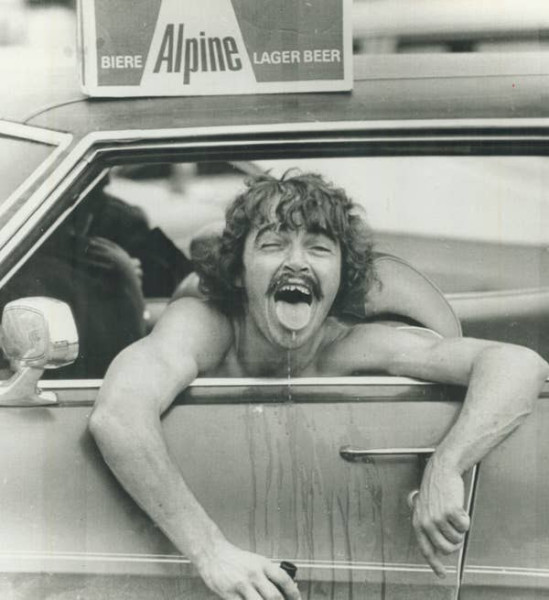
Drunk driving was widespread, and it was not always treated as the serious threat it is recognized as today. Families, passengers, and other drivers faced danger from people who got behind the wheel after drinking. At the same time, some people viewed seatbelts and airbags as attacks on personal freedom. Safety equipment that is now considered basic was once rejected by people who believed it limited their liberty.
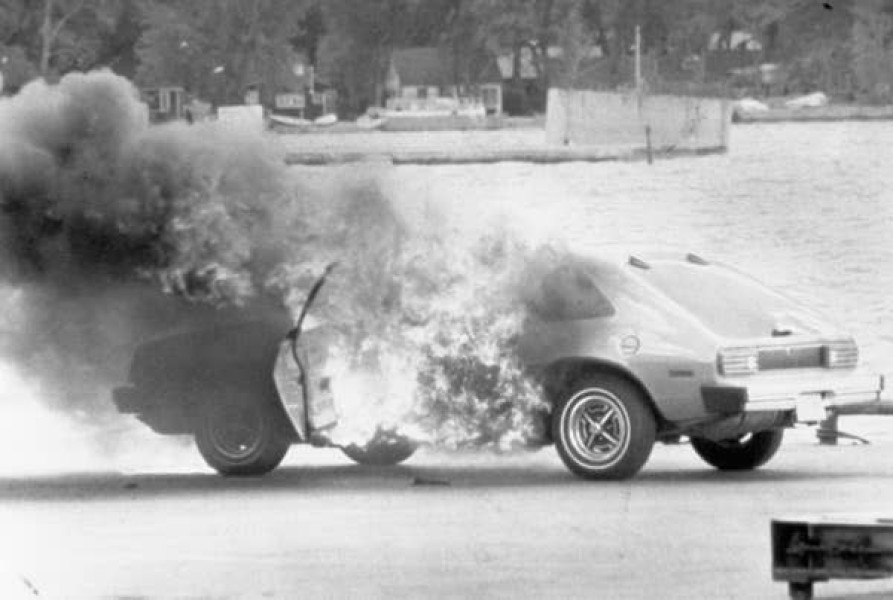
Cars themselves were another major problem. Many American vehicles from the period were large, poorly built, and unreliable. These cars are sometimes admired now simply because they are old, but their age does not change their quality. They were widely considered junk when they were new, and many remained difficult, inefficient, and unpleasant to drive.
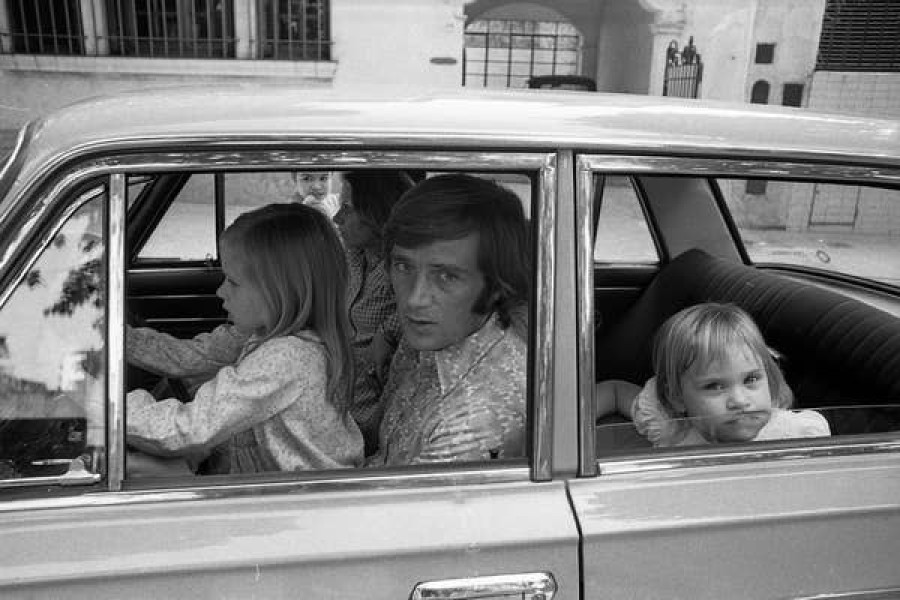
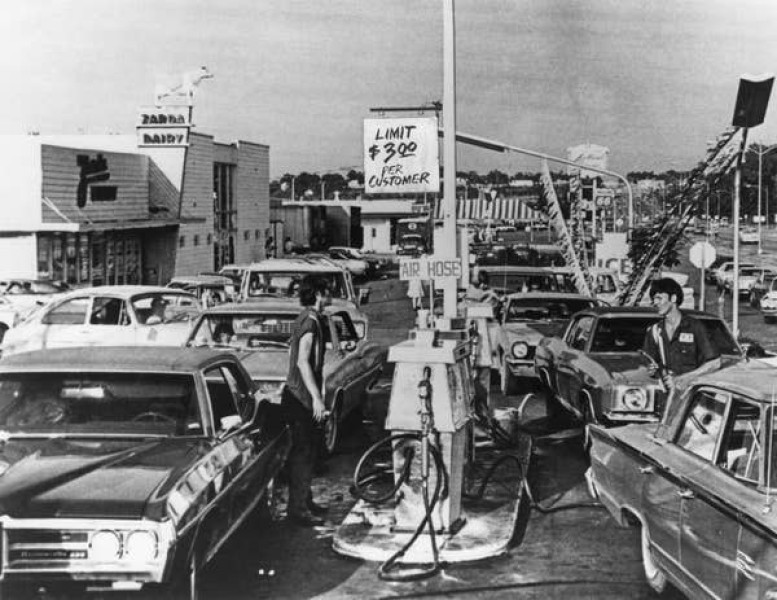
Fuel shortages created another frustrating part of daily life. Lines of cars could stretch for blocks outside gas stations. In some places, drivers could buy fuel only on certain days based on whether their license plates ended in odd or even numbers. Getting gas was not a quick errand; it could require long waits and careful planning.
Homes and Public Spaces Had Serious Problems
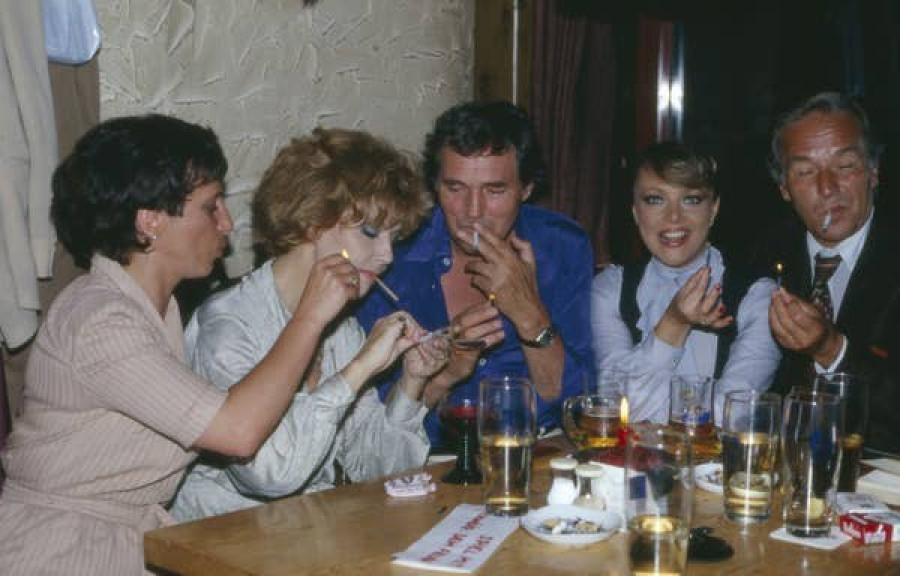
Smoking was common in restaurants, where smoking and nonsmoking sections were sometimes separated by nothing more than an invisible boundary. Smoke could drift freely from one area to the other, exposing people who were trying to avoid it. Children were also frequently exposed to adult behavior at home. Basement parties were common in some households, and adults might lock children out while they drank and socialized. The children sometimes held their own parties nearby, with little supervision, because the adults were focused on themselves.
Some homes had carpet installed in both bathrooms and kitchens. This design choice was common in certain neighborhoods, even though those rooms are exposed to water, spills, and food. Schools could be uncomfortable as well. Many classrooms did not have air conditioning, and on hot, humid days, teachers sometimes turned off the lights in an effort to keep the rooms cooler.
War, Violence, and Fear
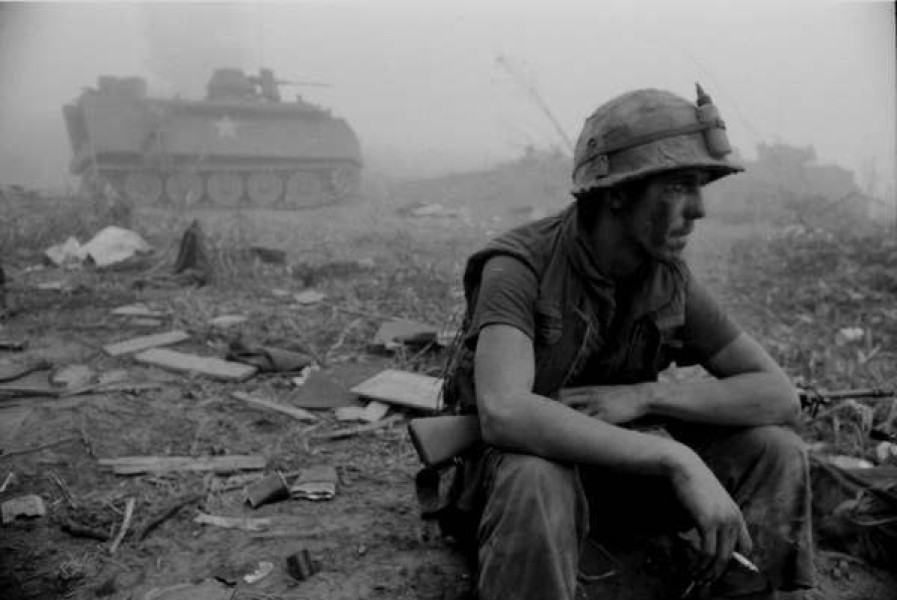
Many soldiers returning from Vietnam struggled deeply after coming home, while the country provided too little support for their physical and emotional needs. Their difficulties were often ignored or poorly understood. The lack of effective care left many veterans and their families dealing with serious consequences on their own.
Violence was also a frequent part of public life. During the early part of the decade, more than 2,500 bombings took place on American soil, averaging almost five each day. Airplane hijackings were also much more common than they are now. At the same time, the era became known for a high number of serial killers, creating a widespread fear that violent crime could happen almost anywhere.
Children faced dangers that adults did not always know how to discuss. People who exposed themselves to children appeared in many public places, and young victims often lacked the language to describe what was happening. Adults also seemed unusually comfortable with relationships involving underage partners. Large age gaps involving minors were sometimes treated as acceptable, especially in celebrity and rock-star circles, even though those relationships placed young people in vulnerable situations.
Discrimination Was Open and Common
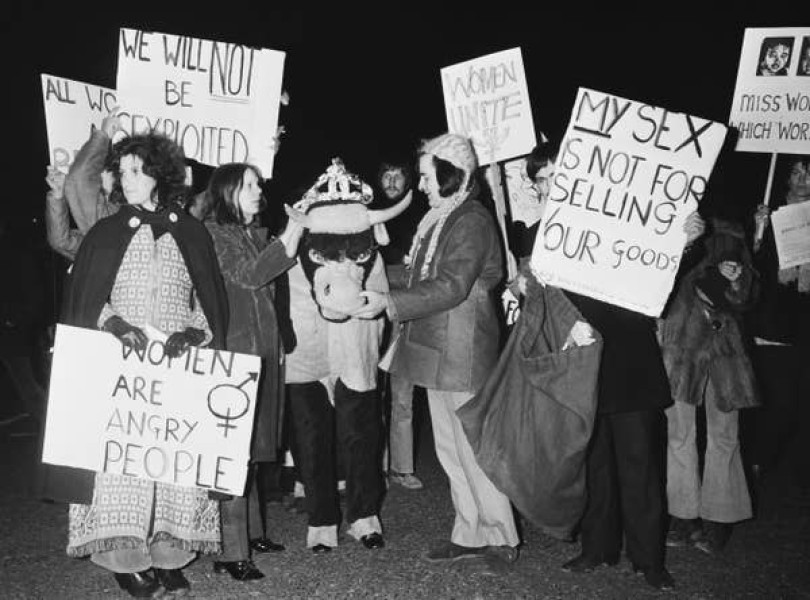
Sexism affected women at work, at home, and in public. A newly married woman with a good job was told by her boss that she would lose her position unless she engaged in sexual behavior with him and other employees. She left the office and told her husband, who confronted the man in the parking lot. The harassment stopped afterward, but only because the boss feared retaliation from a man. Women without similar support could be abused or threatened every day, with few dependable protections.
Racism was also treated casually and openly. Harmful remarks and attitudes were more common in ordinary conversations and institutions, even though racism remains a serious problem. LGBTQ people were often ignored, rejected, or used as the target of jokes in movies and television. Their lives and identities were rarely presented with respect or understanding, leaving many people isolated and without positive representation.
Economic Pressure Changed Everyday Life
Stagflation created difficult conditions for working-class families. Prices rose while economic growth remained weak, making it harder for many people to afford basic necessities and maintain financial stability. Although some households managed well, millions did not. Being part of the baby-boom generation did not guarantee economic comfort, and many workers experienced the decade as a period of pressure rather than prosperity.
Clothing Was Uncomfortable Too
Clothing often sacrificed comfort for appearance. Jeans usually had no stretch, shirts were cut too narrowly, and shoes were heavy. Coats could be stiff and difficult to move in, while winter clothing often included mittens instead of gloves. Turtlenecks were uncomfortable for many people, and leisure suits added another memorable example of restrictive, awkward fashion. The clothes may look distinctive now, but wearing them could be physically unpleasant.
Even children's fears reflected the popular culture of the time. Quicksand appeared so often in stories, television shows, and movies that many children worried they might one day be swallowed by it. Although the danger was greatly exaggerated in entertainment, the fear became a familiar part of childhood.
Looking Beyond Nostalgia
The decade had memorable music, fashion, and family experiences, but nostalgia can hide the risks and injustices that shaped daily life. Heavy pollution, unsafe driving, poor working conditions, discrimination, violence, economic hardship, and limited public protections were not minor details. They affected millions of people. Remembering the period accurately means recognizing both its familiar comforts and the serious problems that made everyday life far more dangerous and difficult than many modern memories suggest.
Pollution Was Part of Daily Life
Air pollution was severe in some American cities. In Los Angeles, thick smog could hide the 10,000-foot mountains located beside the city. The pollution was so heavy that people could not always see major natural landmarks from nearby neighborhoods. Environmental awareness was also limited at home. When one father changed his car's oil, he poured the used oil into a corner of the backyard or into a storm drain. The drain emptied into a creek behind the house, but he did not understand the connection because pollution education was almost nonexistent.
People also responded to environmental problems with methods that created new dangers. When mosquitoes became a problem in New Jersey, authorities used DDT across the state. The chemical killed insects, but it also harmed bird populations. The approach reflected a broader pattern: many solutions used at the time created additional damage because the long-term effects were poorly understood or ignored.
Safety Rules Were Often Rejected
Drunk driving was widespread, and it was not always treated as the serious threat it is recognized as today. Families, passengers, and other drivers faced danger from people who got behind the wheel after drinking. At the same time, some people viewed seatbelts and airbags as attacks on personal freedom. Safety equipment that is now considered basic was once rejected by people who believed it limited their liberty.
Cars themselves were another major problem. Many American vehicles from the period were large, poorly built, and unreliable. These cars are sometimes admired now simply because they are old, but their age does not change their quality. They were widely considered junk when they were new, and many remained difficult, inefficient, and unpleasant to drive.
Fuel shortages created another frustrating part of daily life. Lines of cars could stretch for blocks outside gas stations. In some places, drivers could buy fuel only on certain days based on whether their license plates ended in odd or even numbers. Getting gas was not a quick errand; it could require long waits and careful planning.
Homes and Public Spaces Had Serious Problems
Smoking was common in restaurants, where smoking and nonsmoking sections were sometimes separated by nothing more than an invisible boundary. Smoke could drift freely from one area to the other, exposing people who were trying to avoid it. Children were also frequently exposed to adult behavior at home. Basement parties were common in some households, and adults might lock children out while they drank and socialized. The children sometimes held their own parties nearby, with little supervision, because the adults were focused on themselves.
Some homes had carpet installed in both bathrooms and kitchens. This design choice was common in certain neighborhoods, even though those rooms are exposed to water, spills, and food. Schools could be uncomfortable as well. Many classrooms did not have air conditioning, and on hot, humid days, teachers sometimes turned off the lights in an effort to keep the rooms cooler.
War, Violence, and Fear
Many soldiers returning from Vietnam struggled deeply after coming home, while the country provided too little support for their physical and emotional needs. Their difficulties were often ignored or poorly understood. The lack of effective care left many veterans and their families dealing with serious consequences on their own.
Violence was also a frequent part of public life. During the early part of the decade, more than 2,500 bombings took place on American soil, averaging almost five each day. Airplane hijackings were also much more common than they are now. At the same time, the era became known for a high number of serial killers, creating a widespread fear that violent crime could happen almost anywhere.
Children faced dangers that adults did not always know how to discuss. People who exposed themselves to children appeared in many public places, and young victims often lacked the language to describe what was happening. Adults also seemed unusually comfortable with relationships involving underage partners. Large age gaps involving minors were sometimes treated as acceptable, especially in celebrity and rock-star circles, even though those relationships placed young people in vulnerable situations.
Discrimination Was Open and Common
Sexism affected women at work, at home, and in public. A newly married woman with a good job was told by her boss that she would lose her position unless she engaged in sexual behavior with him and other employees. She left the office and told her husband, who confronted the man in the parking lot. The harassment stopped afterward, but only because the boss feared retaliation from a man. Women without similar support could be abused or threatened every day, with few dependable protections.
Racism was also treated casually and openly. Harmful remarks and attitudes were more common in ordinary conversations and institutions, even though racism remains a serious problem. LGBTQ people were often ignored, rejected, or used as the target of jokes in movies and television. Their lives and identities were rarely presented with respect or understanding, leaving many people isolated and without positive representation.
Economic Pressure Changed Everyday Life
Stagflation created difficult conditions for working-class families. Prices rose while economic growth remained weak, making it harder for many people to afford basic necessities and maintain financial stability. Although some households managed well, millions did not. Being part of the baby-boom generation did not guarantee economic comfort, and many workers experienced the decade as a period of pressure rather than prosperity.
Clothing Was Uncomfortable Too
Clothing often sacrificed comfort for appearance. Jeans usually had no stretch, shirts were cut too narrowly, and shoes were heavy. Coats could be stiff and difficult to move in, while winter clothing often included mittens instead of gloves. Turtlenecks were uncomfortable for many people, and leisure suits added another memorable example of restrictive, awkward fashion. The clothes may look distinctive now, but wearing them could be physically unpleasant.
Even children's fears reflected the popular culture of the time. Quicksand appeared so often in stories, television shows, and movies that many children worried they might one day be swallowed by it. Although the danger was greatly exaggerated in entertainment, the fear became a familiar part of childhood.
Looking Beyond Nostalgia
The decade had memorable music, fashion, and family experiences, but nostalgia can hide the risks and injustices that shaped daily life. Heavy pollution, unsafe driving, poor working conditions, discrimination, violence, economic hardship, and limited public protections were not minor details. They affected millions of people. Remembering the period accurately means recognizing both its familiar comforts and the serious problems that made everyday life far more dangerous and difficult than many modern memories suggest.