
Many major changes in society arrive so gradually that people barely notice them while they are happening. A habit that once seemed unusual becomes normal, while traditions that once defined daily life slowly disappear. Older adults who have watched these shifts unfold describe changes involving family life, technology, public behavior, education, health, and personal freedom. Together, their observations show how much ordinary life has changed across several generations.
Changing Relationships and Family Life
Living together before marriage has moved from being widely condemned to being a common step in a relationship. Many couples now share a home without planning to marry, or before deciding whether marriage is right for them. Having a baby outside marriage is also less likely to bring the public shame it once did. Financial hardship, including bankruptcy, has become less associated with personal disgrace as well.

More adults are living alone, especially after their children move out. At the same time, fathers have become more involved in everyday parenting. Many men now spend more time caring for their children, discussing emotions, and learning about trauma. Some are also more willing to challenge abusive or sexist behavior among other men.

Children have become the center of many family schedules. Parents often organize work, meals, bedtime, vacations, and free time around their children’s activities and preferences. Children may interrupt adult conversations and receive immediate attention. This reflects a strong focus on children, but it also marks a change from periods when young people were expected to fit more quietly into adult routines.
Freedom, Supervision, and Neighborhood Life
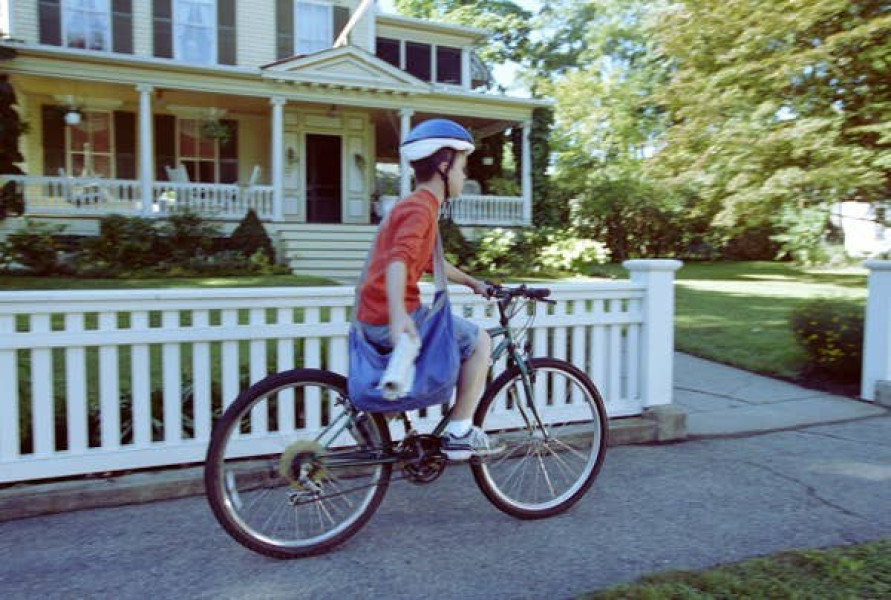
Children once had much more freedom to move around without adults. Young children might spend entire afternoons walking, biking, or playing throughout the neighborhood. Older children could take public transportation across town to visit friends, shop, or see a movie. Some began part-time jobs during their early teenage years. Today, many children are supervised more closely because parents are more concerned about safety and potential accusations of neglect.


Neighborhood relationships have also weakened. In the past, neighbors often watched one another’s children, lent tools, helped with household projects, and attended cookouts or family celebrations together. People might visit without making arrangements first. Now, a text message or phone call usually comes before a visit, even between nearby friends. This gives people more control over their time and privacy, but it has reduced casual contact and spontaneous hospitality.

Evening life used to include long stretches of doing very little. People sat on porches, talked, or relaxed without feeling pressure to stay busy. Those quiet periods have become less common as work, errands, organized activities, and digital entertainment fill more of the day.

Technology and Less Direct Contact

Personal devices have changed the way people notice and interact with one another. Someone walking down a street may be focused on a screen instead of looking at the people nearby. A short glance at a device can turn into much longer periods of absorbed attention.

Phone calls have also become unusual. Instead of calling simply to talk, people often communicate through text messages, video calls, email, and social platforms. These tools make communication fast and convenient, but they have replaced many ordinary conversations that once happened by telephone.
Handwritten letters have nearly disappeared from everyday communication. Families once saved letters exchanged between loved ones who were separated by military service, work, or travel. Siblings, close friends, and romantic partners also wrote regularly. Digital messages are easier to send, but they rarely carry the same physical record that a stored letter provides.
Shifting Ideas About Identity and Acceptance
The treatment of LGBTQ+ people has changed significantly. There was once serious public debate about whether openly gay people should work as teachers, coaches, or school staff. Some educators feared losing their jobs if their sexual orientation became known. Gay men were sometimes falsely portrayed as dangerous to children, making ordinary professional responsibilities difficult or impossible.
Today, LGBTQ+ people have greater public acceptance in many communities, and openly gay educators are much more common. The public reaction to a well-known entertainer coming out on television was once treated as a major national event, while similar announcements are now more familiar. This change has also reduced the shame connected to identity and relationships for many people.
Tattoos have undergone a similar transformation. They were once strongly linked with sailors, motorcycle groups, criminals, or other outsiders. Now tattoos appear across nearly every profession and age group. They are often treated as ordinary personal choices rather than automatic signs of rebellion or trouble.
Health, Appearance, and Aging
Going to a gym has become a normal part of life for many adults, including older people. Community fitness centers may be busy with seniors during the day, showing how exercise has become an ordinary health practice rather than an activity limited to young athletes.
People also appear to be aging differently. Less smoking, more use of sunscreen, and greater access to exercise may help explain why many older adults remain active and maintain a youthful appearance. Hair color, makeup, cosmetic treatments, and modern clothing have also made age-related changes less predictable than they once were.
Smoking in public places has sharply declined. Restaurants, workplaces, and other shared spaces are now far less likely to be filled with cigarette smoke. In contrast, public profanity has become more common, often without much concern for children or older adults nearby.
Sports, Education, and Public Behavior
Children’s sports have become a major industry. In earlier generations, young athletes often played for school teams without private lessons, expensive camps, or year-round training. Today, many children practice throughout the year, attend specialized camps, and receive coaching from an early age. Some are guided toward competitive sports long before adolescence.
There is also a common belief that people are less educated than earlier generations because public leaders sometimes appear uninformed. Historical literacy, however, was once much lower. Only a small share of the population could read complex material in earlier eras, while educational achievement has generally risen over the long term. Questions about the quality of education remain separate from the overall increase in access and attainment.
Political disagreement has become more sharply divided in many places. People increasingly identify with one side or the other, while moderate positions can be harder to see. Public manners have changed as well. Some observers believe people have become harsher and more judgmental after spending more time in isolated online spaces, where anonymity and constant criticism can influence how people treat others in person.
Government and Everyday Standards
Another noticeable shift is the decline of public decorum among high-ranking government officials. Behavior that once might have been considered unacceptable in formal public life is now more visible and more openly displayed. This reflects broader changes in how authority, politeness, and public conduct are judged.
Across family life, neighborhoods, schools, workplaces, and public spaces, these changes reveal a society that has become more accepting in some areas and more disconnected in others. People have gained freedom, convenience, and wider choices, while losing some shared routines and close community habits. The most important shifts are often the quiet ones: changes that become so familiar that people stop remembering they were ever different.
Changing Relationships and Family Life
Living together before marriage has moved from being widely condemned to being a common step in a relationship. Many couples now share a home without planning to marry, or before deciding whether marriage is right for them. Having a baby outside marriage is also less likely to bring the public shame it once did. Financial hardship, including bankruptcy, has become less associated with personal disgrace as well.
More adults are living alone, especially after their children move out. At the same time, fathers have become more involved in everyday parenting. Many men now spend more time caring for their children, discussing emotions, and learning about trauma. Some are also more willing to challenge abusive or sexist behavior among other men.
Children have become the center of many family schedules. Parents often organize work, meals, bedtime, vacations, and free time around their children’s activities and preferences. Children may interrupt adult conversations and receive immediate attention. This reflects a strong focus on children, but it also marks a change from periods when young people were expected to fit more quietly into adult routines.
Freedom, Supervision, and Neighborhood Life
Children once had much more freedom to move around without adults. Young children might spend entire afternoons walking, biking, or playing throughout the neighborhood. Older children could take public transportation across town to visit friends, shop, or see a movie. Some began part-time jobs during their early teenage years. Today, many children are supervised more closely because parents are more concerned about safety and potential accusations of neglect.
Neighborhood relationships have also weakened. In the past, neighbors often watched one another’s children, lent tools, helped with household projects, and attended cookouts or family celebrations together. People might visit without making arrangements first. Now, a text message or phone call usually comes before a visit, even between nearby friends. This gives people more control over their time and privacy, but it has reduced casual contact and spontaneous hospitality.
Evening life used to include long stretches of doing very little. People sat on porches, talked, or relaxed without feeling pressure to stay busy. Those quiet periods have become less common as work, errands, organized activities, and digital entertainment fill more of the day.
Technology and Less Direct Contact
Personal devices have changed the way people notice and interact with one another. Someone walking down a street may be focused on a screen instead of looking at the people nearby. A short glance at a device can turn into much longer periods of absorbed attention.
Phone calls have also become unusual. Instead of calling simply to talk, people often communicate through text messages, video calls, email, and social platforms. These tools make communication fast and convenient, but they have replaced many ordinary conversations that once happened by telephone.
Handwritten letters have nearly disappeared from everyday communication. Families once saved letters exchanged between loved ones who were separated by military service, work, or travel. Siblings, close friends, and romantic partners also wrote regularly. Digital messages are easier to send, but they rarely carry the same physical record that a stored letter provides.
Shifting Ideas About Identity and Acceptance
The treatment of LGBTQ+ people has changed significantly. There was once serious public debate about whether openly gay people should work as teachers, coaches, or school staff. Some educators feared losing their jobs if their sexual orientation became known. Gay men were sometimes falsely portrayed as dangerous to children, making ordinary professional responsibilities difficult or impossible.
Today, LGBTQ+ people have greater public acceptance in many communities, and openly gay educators are much more common. The public reaction to a well-known entertainer coming out on television was once treated as a major national event, while similar announcements are now more familiar. This change has also reduced the shame connected to identity and relationships for many people.
Tattoos have undergone a similar transformation. They were once strongly linked with sailors, motorcycle groups, criminals, or other outsiders. Now tattoos appear across nearly every profession and age group. They are often treated as ordinary personal choices rather than automatic signs of rebellion or trouble.
Health, Appearance, and Aging
Going to a gym has become a normal part of life for many adults, including older people. Community fitness centers may be busy with seniors during the day, showing how exercise has become an ordinary health practice rather than an activity limited to young athletes.
People also appear to be aging differently. Less smoking, more use of sunscreen, and greater access to exercise may help explain why many older adults remain active and maintain a youthful appearance. Hair color, makeup, cosmetic treatments, and modern clothing have also made age-related changes less predictable than they once were.
Smoking in public places has sharply declined. Restaurants, workplaces, and other shared spaces are now far less likely to be filled with cigarette smoke. In contrast, public profanity has become more common, often without much concern for children or older adults nearby.
Sports, Education, and Public Behavior
Children’s sports have become a major industry. In earlier generations, young athletes often played for school teams without private lessons, expensive camps, or year-round training. Today, many children practice throughout the year, attend specialized camps, and receive coaching from an early age. Some are guided toward competitive sports long before adolescence.
There is also a common belief that people are less educated than earlier generations because public leaders sometimes appear uninformed. Historical literacy, however, was once much lower. Only a small share of the population could read complex material in earlier eras, while educational achievement has generally risen over the long term. Questions about the quality of education remain separate from the overall increase in access and attainment.
Political disagreement has become more sharply divided in many places. People increasingly identify with one side or the other, while moderate positions can be harder to see. Public manners have changed as well. Some observers believe people have become harsher and more judgmental after spending more time in isolated online spaces, where anonymity and constant criticism can influence how people treat others in person.
Government and Everyday Standards
Another noticeable shift is the decline of public decorum among high-ranking government officials. Behavior that once might have been considered unacceptable in formal public life is now more visible and more openly displayed. This reflects broader changes in how authority, politeness, and public conduct are judged.
Across family life, neighborhoods, schools, workplaces, and public spaces, these changes reveal a society that has become more accepting in some areas and more disconnected in others. People have gained freedom, convenience, and wider choices, while losing some shared routines and close community habits. The most important shifts are often the quiet ones: changes that become so familiar that people stop remembering they were ever different.