
Emergency rooms and clinics regularly treat serious injuries and illnesses, but medical workers also encounter patients who misunderstand basic facts about their bodies, medications, and everyday health decisions. Some cases involve simple confusion, while others lead to infections, injuries, or urgent surgery. The following stories describe unusual situations reported by doctors, nurses, therapists, and other healthcare workers.
Unexpected Problems With the Body
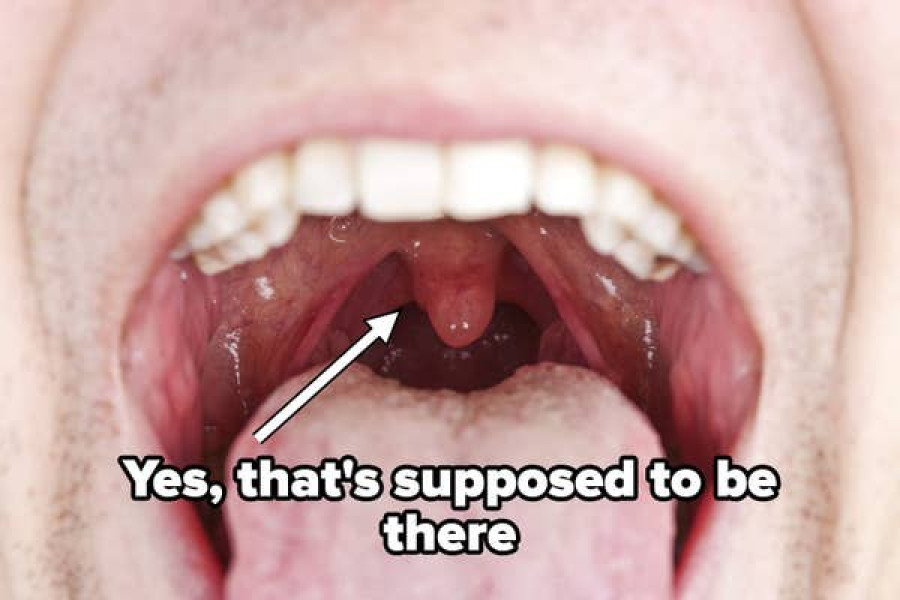
One patient visited the emergency department because a sleep-tracking app reported poor sleep quality. Another arrived terrified that his throat had torn open. After examining him and finding no injury, the doctor learned that the patient had only noticed his uvula for the first time. His girlfriend was equally alarmed, so the doctor showed them that she had one too. Both had mistaken a normal body part for a medical emergency.
A woman once sought help for pain in her lower abdomen and vagina. During the examination, the doctor discovered about a dozen old tampons that had been left inside her. She had believed they would break down because the packaging described them as biodegradable. In another case, a woman reported several days of rectal bleeding every month beginning when she was 11. The bleeding even stopped during pregnancy, but she did not seek medical advice until she was in her 30s.

One pregnant patient needed stitches after using a glass cup to catch what she believed might be leaking amniotic fluid while showing a house. She sat down, the glass broke, and it caused serious injuries. Another woman with hip problems misunderstood the planned surgery and thought the doctors would remove her entire leg, repair the hip, and attach the leg again.

Misunderstanding Sex and Pregnancy
A woman went to the emergency room after experiencing what she believed was a seizure during sex. She had never had an orgasm and did not know what had happened. A nurse had to explain the difference to her and her boyfriend, who also had not recognized the experience. The woman was pregnant at the time.
A pregnant caller asked whether having sex with a new partner would cause the baby to become genetically related to that person. Another pregnant woman had been intimate with two men during the same month and believed she could determine the father after the baby began speaking. One of the men was Latino, so she planned to see whether the child spoke Spanish.
A young woman became pregnant even though she believed she had used her diaphragm correctly. She checked it for holes, used spermicide, wore it overnight, cleaned it every morning, and stored it away. The problem was that her husband worked night shifts, so the device was being used when there was no sexual activity.
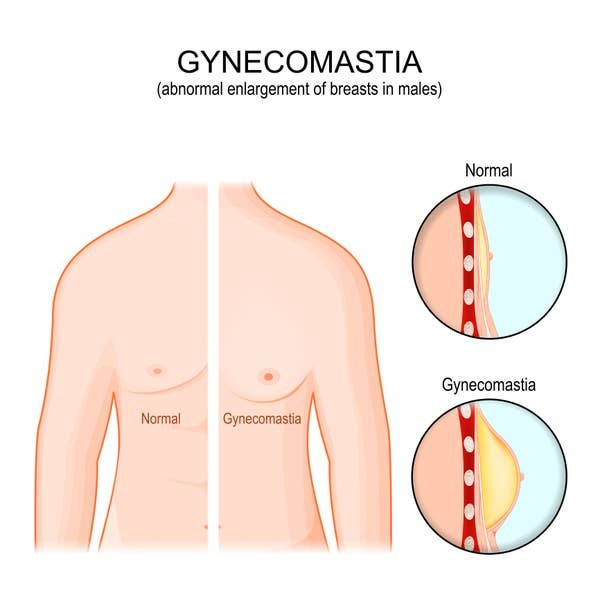
Two teenagers tried to make birth control pills “extra safe” by splitting them. The girl became pregnant, while the boy developed gynecomastia, a condition involving enlarged breast tissue in males. Another pregnant woman smoked about a pack of cigarettes each day. She said her sister had warned that quitting would cause the baby to go through withdrawal and die.
Unsafe Attempts at Self-Treatment
A patient broke a bottle of insulin and decided to collect the liquid instead of discarding it. The person continued injecting it from another container. This created a risk of fungal infection and exposure to tiny pieces of glass, since an insulin needle cannot remove glass fragments.
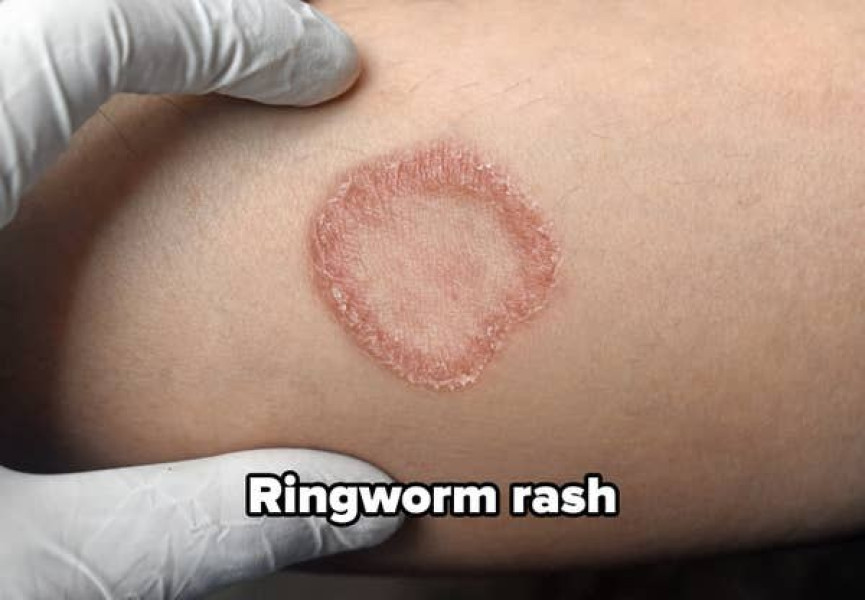
A military patient developed a circular burn with blisters after trying to treat ringworm by pouring bleach onto his arm. He had assumed the chemical would kill the infection. Another person mistakenly believed that taking twice the normal amount of vitamin B6 was equivalent to taking vitamin B12.
A patient with low-grade prostate cancer canceled treatment after deciding to use sunlight as a form of “natural” radiation. He spent about eight hours a day in the sun for several months. When he returned much later, his cancer had become much more advanced, his prostate was extremely enlarged, and he also faced a higher risk of melanoma because of his severe tanning.
A woman developed repeated urinary tract infections after beginning a relationship. After careful questioning, the healthcare worker learned that she used ordinary jelly as a sexual lubricant. Once she stopped using it, the infections stopped recurring. A different patient wore blue cosmetic contact lenses continuously for eight months, including while sleeping. She had never mentioned them during the examination and initially said she had no foreign material in her eyes. By the time she sought treatment, her eyes were red, painful, and watery.
Confusing Symptoms With Serious Illness
A respiratory therapist placed an oxygen mask on a patient who was struggling to breathe. The patient immediately said she was allergic to oxygen. Another emergency patient came in during spring with itchy, watery eyes and nasal congestion. She had the symptoms for only about 20 minutes and had allergy medicine at home, but she had not taken it. Her condition was seasonal allergies rather than an emergency.
A woman believed she was allergic to alcohol because drinking too much vodka, especially on an empty stomach, sometimes caused nausea, flushing, and vomiting the next morning. The symptoms were consistent with a hangover, not a typical allergic reaction. A man requested testing for a sexually transmitted infection because he had unprotected sex with several partners. He had no rash, itching, or discharge, but he believed asthma could spread through sex because one partner had asthma.
A dermatologist described a patient who became frightened by red bumps covering her body during the summer. The bumps were simply mosquito bites. In another case, a patient complained that her daughter’s gas smelled unusually bad and demanded to speak with an emergency surgeon in the middle of the night.
Injuries Caused by Poor Decisions
One man went to the emergency room with severe injuries to one arm after trying to shoot a neighbor’s barking dog and missing. The dog attacked and badly damaged his arm. After being treated and released, the man returned two hours later with similar injuries to the other arm. He had gone home to try again, missed again, and been attacked again.
A child swallowed a large magnet that moved into the intestine. During follow-up, doctors discovered that the child had swallowed a second magnet. The two magnets connected through the stomach wall, causing an intestinal blockage. The child required immediate surgery to remove them.
A patient complained that he could not bend his knee. When asked to remove his trousers for an examination, he revealed that his knee was enclosed in a plaster cast. Medical records showed that the hospital had sent several notices asking him to return so the cast could be removed. Because he never attended the appointments, staff had assumed he had taken it off himself.
Basic Knowledge Can Prevent Serious Problems
A dental patient in her 30s had severely damaged, nearly black teeth and swollen, bleeding gums. She needed several cleaning appointments, removal of damaged tissue, root canals, and extractions. After receiving an explanation about dental care, she said she was not worried about losing the teeth because she believed another set would grow in afterward.
These cases show how gaps in basic health knowledge can lead to unnecessary emergency visits, dangerous self-treatment, delayed care, and preventable injuries. Simple questions, reliable medical advice, and timely checkups can make a major difference. Understanding how medications, contraception, body parts, symptoms, and medical devices work may prevent a confusing situation from becoming a serious health crisis.
Unexpected Problems With the Body
One patient visited the emergency department because a sleep-tracking app reported poor sleep quality. Another arrived terrified that his throat had torn open. After examining him and finding no injury, the doctor learned that the patient had only noticed his uvula for the first time. His girlfriend was equally alarmed, so the doctor showed them that she had one too. Both had mistaken a normal body part for a medical emergency.
A woman once sought help for pain in her lower abdomen and vagina. During the examination, the doctor discovered about a dozen old tampons that had been left inside her. She had believed they would break down because the packaging described them as biodegradable. In another case, a woman reported several days of rectal bleeding every month beginning when she was 11. The bleeding even stopped during pregnancy, but she did not seek medical advice until she was in her 30s.
One pregnant patient needed stitches after using a glass cup to catch what she believed might be leaking amniotic fluid while showing a house. She sat down, the glass broke, and it caused serious injuries. Another woman with hip problems misunderstood the planned surgery and thought the doctors would remove her entire leg, repair the hip, and attach the leg again.
Misunderstanding Sex and Pregnancy
A woman went to the emergency room after experiencing what she believed was a seizure during sex. She had never had an orgasm and did not know what had happened. A nurse had to explain the difference to her and her boyfriend, who also had not recognized the experience. The woman was pregnant at the time.
A pregnant caller asked whether having sex with a new partner would cause the baby to become genetically related to that person. Another pregnant woman had been intimate with two men during the same month and believed she could determine the father after the baby began speaking. One of the men was Latino, so she planned to see whether the child spoke Spanish.
A young woman became pregnant even though she believed she had used her diaphragm correctly. She checked it for holes, used spermicide, wore it overnight, cleaned it every morning, and stored it away. The problem was that her husband worked night shifts, so the device was being used when there was no sexual activity.
Two teenagers tried to make birth control pills “extra safe” by splitting them. The girl became pregnant, while the boy developed gynecomastia, a condition involving enlarged breast tissue in males. Another pregnant woman smoked about a pack of cigarettes each day. She said her sister had warned that quitting would cause the baby to go through withdrawal and die.
Unsafe Attempts at Self-Treatment
A patient broke a bottle of insulin and decided to collect the liquid instead of discarding it. The person continued injecting it from another container. This created a risk of fungal infection and exposure to tiny pieces of glass, since an insulin needle cannot remove glass fragments.
A military patient developed a circular burn with blisters after trying to treat ringworm by pouring bleach onto his arm. He had assumed the chemical would kill the infection. Another person mistakenly believed that taking twice the normal amount of vitamin B6 was equivalent to taking vitamin B12.
A patient with low-grade prostate cancer canceled treatment after deciding to use sunlight as a form of “natural” radiation. He spent about eight hours a day in the sun for several months. When he returned much later, his cancer had become much more advanced, his prostate was extremely enlarged, and he also faced a higher risk of melanoma because of his severe tanning.
A woman developed repeated urinary tract infections after beginning a relationship. After careful questioning, the healthcare worker learned that she used ordinary jelly as a sexual lubricant. Once she stopped using it, the infections stopped recurring. A different patient wore blue cosmetic contact lenses continuously for eight months, including while sleeping. She had never mentioned them during the examination and initially said she had no foreign material in her eyes. By the time she sought treatment, her eyes were red, painful, and watery.
Confusing Symptoms With Serious Illness
A respiratory therapist placed an oxygen mask on a patient who was struggling to breathe. The patient immediately said she was allergic to oxygen. Another emergency patient came in during spring with itchy, watery eyes and nasal congestion. She had the symptoms for only about 20 minutes and had allergy medicine at home, but she had not taken it. Her condition was seasonal allergies rather than an emergency.
A woman believed she was allergic to alcohol because drinking too much vodka, especially on an empty stomach, sometimes caused nausea, flushing, and vomiting the next morning. The symptoms were consistent with a hangover, not a typical allergic reaction. A man requested testing for a sexually transmitted infection because he had unprotected sex with several partners. He had no rash, itching, or discharge, but he believed asthma could spread through sex because one partner had asthma.
A dermatologist described a patient who became frightened by red bumps covering her body during the summer. The bumps were simply mosquito bites. In another case, a patient complained that her daughter’s gas smelled unusually bad and demanded to speak with an emergency surgeon in the middle of the night.
Injuries Caused by Poor Decisions
One man went to the emergency room with severe injuries to one arm after trying to shoot a neighbor’s barking dog and missing. The dog attacked and badly damaged his arm. After being treated and released, the man returned two hours later with similar injuries to the other arm. He had gone home to try again, missed again, and been attacked again.
A child swallowed a large magnet that moved into the intestine. During follow-up, doctors discovered that the child had swallowed a second magnet. The two magnets connected through the stomach wall, causing an intestinal blockage. The child required immediate surgery to remove them.
A patient complained that he could not bend his knee. When asked to remove his trousers for an examination, he revealed that his knee was enclosed in a plaster cast. Medical records showed that the hospital had sent several notices asking him to return so the cast could be removed. Because he never attended the appointments, staff had assumed he had taken it off himself.
Basic Knowledge Can Prevent Serious Problems
A dental patient in her 30s had severely damaged, nearly black teeth and swollen, bleeding gums. She needed several cleaning appointments, removal of damaged tissue, root canals, and extractions. After receiving an explanation about dental care, she said she was not worried about losing the teeth because she believed another set would grow in afterward.
These cases show how gaps in basic health knowledge can lead to unnecessary emergency visits, dangerous self-treatment, delayed care, and preventable injuries. Simple questions, reliable medical advice, and timely checkups can make a major difference. Understanding how medications, contraception, body parts, symptoms, and medical devices work may prevent a confusing situation from becoming a serious health crisis.