
Some mistakes are easy to fix, while others become unforgettable the moment someone takes a picture. A strange drink, a badly designed bathroom, a confusing sign, or an unfortunate autocorrect message can turn a normal day into a story people retell for years. The following collection features 31 funny mishaps involving food, pets, buildings, technology, clothing, and simple misunderstandings. Each one shows how quickly an ordinary situation can become completely absurd.
Food and Drink Confusion
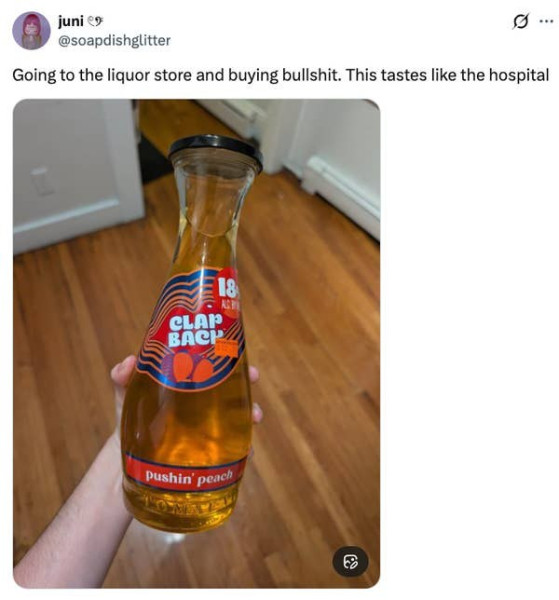
Food appears in several of these unusual moments, often because something looks very different from what people expect. One mysterious liquid was identified as fermented juice that had somehow come from a canned food container. The description raises immediate questions about how the drink was made and why anyone thought it was ready to serve.
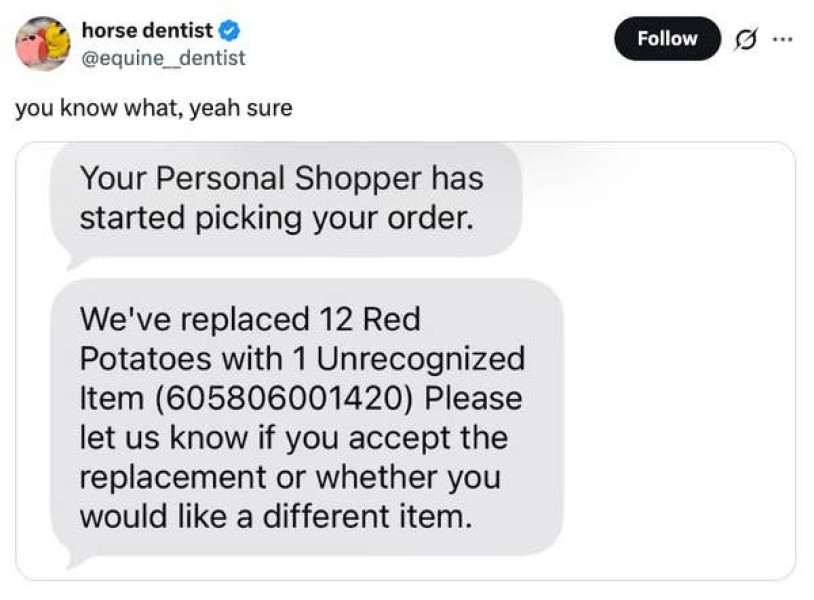
Another scene involved a color that seemed impossible to describe in ordinary terms. The finished result was clearly a color, but apparently not one that had an obvious name. In another case, someone discovered what looked like forbidden apple juice, creating the impression that a familiar drink had somehow become suspicious or dangerous.
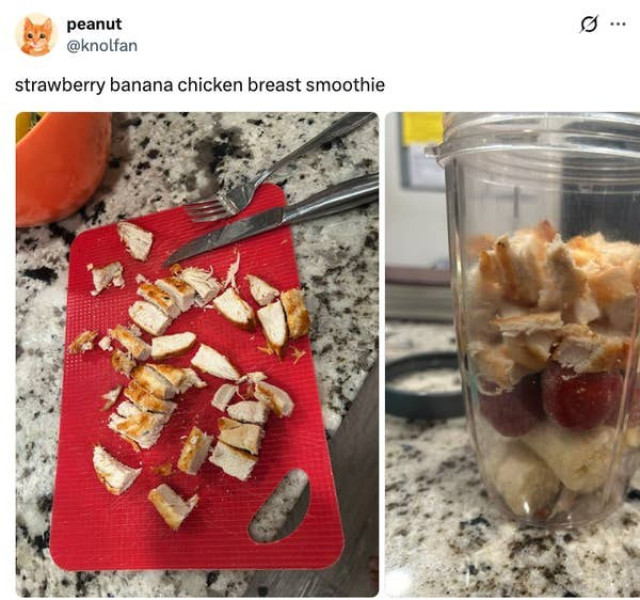
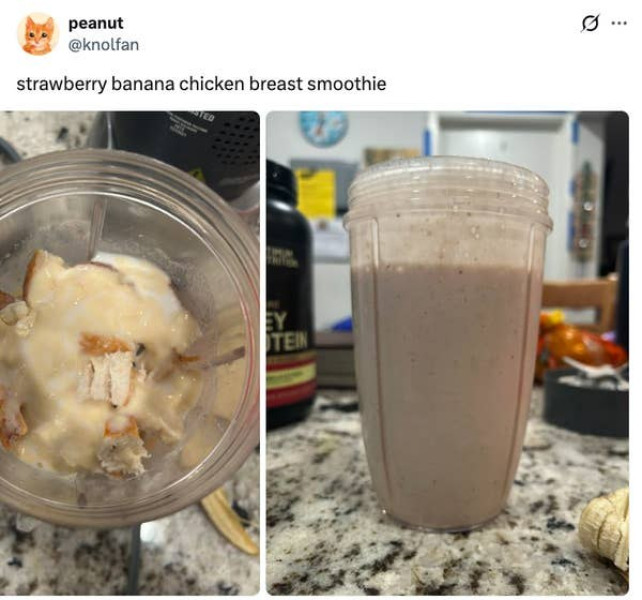
There was also a meal that appeared to have been prepared with far too much protein. The finished dish was described as something that showed the need to end the protein craze. A second example made the same point, suggesting that the trend had gone too far once again. Not every food-related mistake was alarming, however. One small item was simply compared to a cute dumpling, giving the situation a much more harmless appearance.
One especially unusual food moment involved a sparkly meatball. The combination of glitter and dinner is so unexpected that it becomes difficult to decide whether the result belongs on a plate, in a craft box, or nowhere at all. Another person was encouraged to get a manicure before going out for shabu shabu, a shared hot-pot meal. The suggestion created a funny contrast between preparing one’s nails and preparing to eat a meal from a bubbling pot.
Animals, Vehicles, and Unexpected Visitors
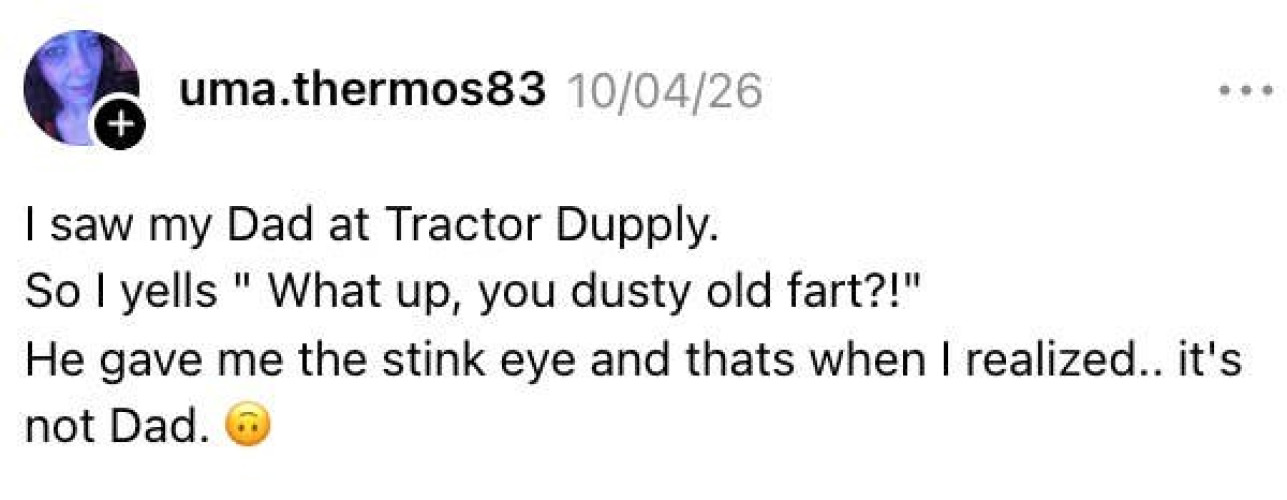
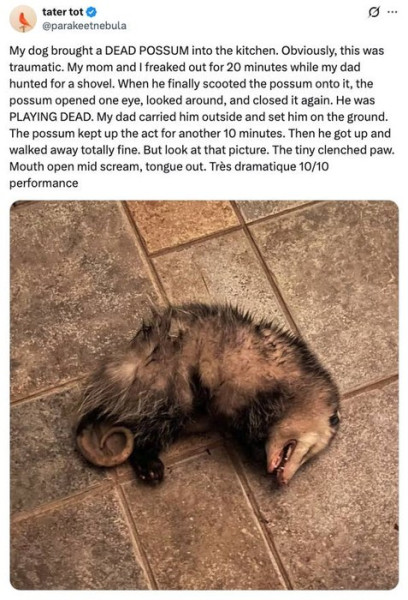
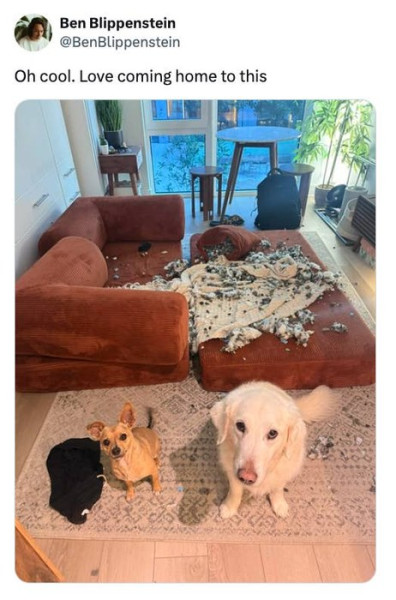
Some of the fails involved situations that were difficult to explain without imagining a much stranger story. A torn-up couch appeared to suggest that a burglar had broken into a home, even though the damage may have had a much less dramatic cause. In another case, an open or improperly secured window seemed to invite trouble, leading to the reminder that windows should be kept up when necessary.
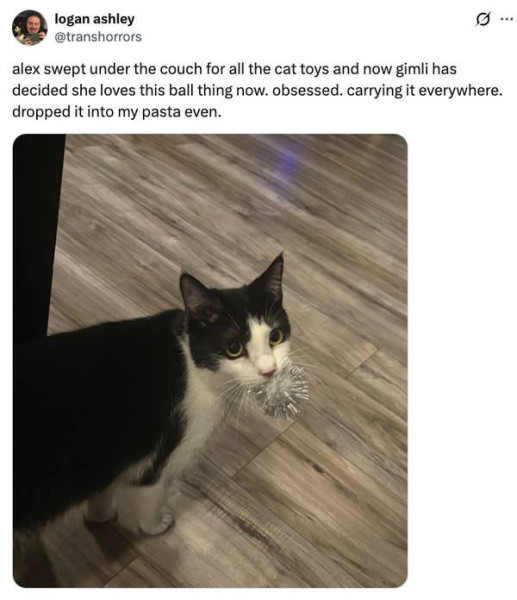
One object was compared to a pipe, with the observation that it was fortunate it did not actually have that shape. The comment hints at an item whose design already looked unusual enough without becoming even more suspicious. Another warning concerned cycle paths, where people should stay alert because they never know who or what may be approaching.
A separate image seemed to suggest that someone might work for a service connected with storing files. The humor came from the person’s apparent connection to the idea of dropping things into a shared digital space. Elsewhere, a small animal or object was described as a cute dumpling, proving that an awkward shape can sometimes become charming instead of concerning.
Buildings and Poor Design Choices
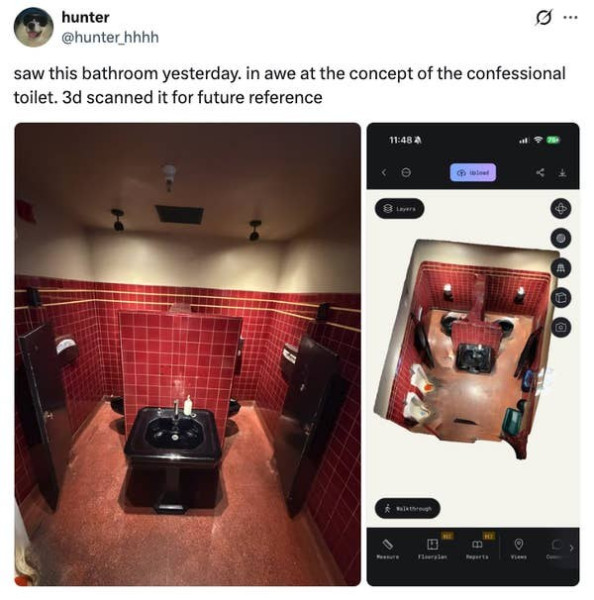
Architecture created several of the collection’s most confusing moments. One building appeared to include a bathroom or private space where two people could be close together while simply facing away from each other. The arrangement raised an important question: privacy is not created just by turning your back. A properly designed private area needs more than an awkward change in direction.
Another structure seemed to be missing an obvious sign. Without clear instructions, visitors were left to guess what they were supposed to do or where they were supposed to go. A separate scene involved a hidden object, with the word “hide” treated as the key part of the situation. The object may technically have been concealed, but it was apparently not hidden very well.
There was also a situation described as deliberately creepy, and the result seemed to meet that goal perfectly. Whatever the designers intended, the finished work looked unsettling enough to earn a strong reaction. These examples show how small design decisions can create confusion, discomfort, or accidental comedy.
Technology and Communication Problems
Technology was responsible for several of the collection’s clearest mistakes. One person appeared to expect a chip reader to respond in a way it simply could not. Payment terminals only work when the card or device is placed correctly, so treating the reader like a person led to an unintentionally funny moment.
Autocorrect created another problem that even software could not repair. The original message had apparently become so distorted that no automatic correction could make it understandable. A different communication mistake involved adding every contact to a friends list. The result was a reminder that not every person saved in a phone belongs in a personal social circle.
One item looked as though it had been installed or assembled incorrectly, prompting agreement that it was not supposed to function that way. Another situation clearly needed to be checked by a professional. The exact problem was not explained, but the condition appeared serious enough that ignoring it was not a reasonable option.
Clothing, Objects, and Strange Shapes
The collection began with an object that was difficult to recognize as a suitcase. Its shape or construction made it unclear how anyone could pack belongings inside it or carry it comfortably. A different item seemed suited to someone who prefers warm tones, possibly because its colors leaned heavily toward reds, oranges, or yellows.
One image offered no clear explanation at all, leaving the viewer with a little mystery. That lack of information became part of the joke. Another person was described simply as “an actor,” with a note that he was fine. The statement suggested that his appearance or behavior looked dramatic enough to raise concern, even though there was no actual emergency.
A brief question about how things were going also became funny because of the surrounding situation. Sometimes an ordinary phrase sounds ridiculous when paired with an unusual image. In another case, the most important detail was that someone had completed the “creepy if possible” part of a task extremely well.
Thirty-One Small Disasters
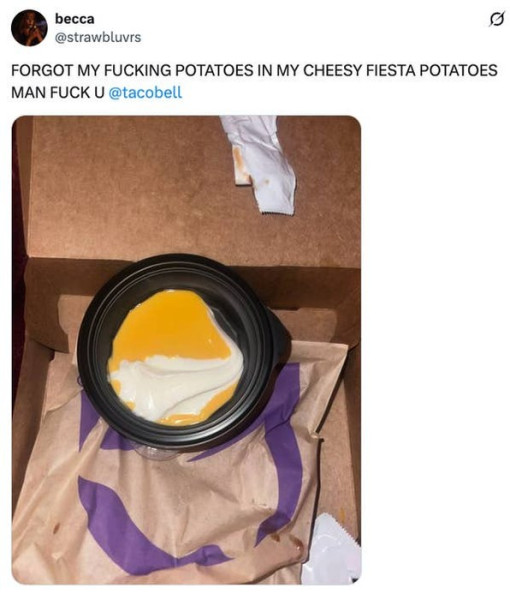
The remaining moments continued the same pattern of everyday confusion. One person hoped that a message had been written backward as “Yes,” suggesting that the original wording may have appeared upside down or reversed. Another hoped that someone could still enjoy a cheesy celebration despite whatever mistake had occurred.
A separate fail involved something placed inside a space where it clearly did not belong. The person viewing it had no idea how all of it had gotten there. Another example was described as worse than someone seeing an entire browser history, making it clear that the embarrassment was especially severe.
One final scene suggested that someone had enjoyed a show, although the circumstances surrounding the performance were likely unusual. Taken together, these examples include confusing food, questionable construction, strange objects, communication errors, and situations that required professional attention. None of the mishaps needed a complicated explanation to become memorable. Their humor came from the simple gap between what was intended and what actually happened.
These 31 fails show how ordinary life can produce unexpected comedy without warning. A poorly designed space, an unclear message, an unusual meal, or an object with the wrong shape can be enough to create a lasting story. Even when the original plan goes wrong, the result may become the most entertaining part of the day.
Food and Drink Confusion
Food appears in several of these unusual moments, often because something looks very different from what people expect. One mysterious liquid was identified as fermented juice that had somehow come from a canned food container. The description raises immediate questions about how the drink was made and why anyone thought it was ready to serve.
Another scene involved a color that seemed impossible to describe in ordinary terms. The finished result was clearly a color, but apparently not one that had an obvious name. In another case, someone discovered what looked like forbidden apple juice, creating the impression that a familiar drink had somehow become suspicious or dangerous.
There was also a meal that appeared to have been prepared with far too much protein. The finished dish was described as something that showed the need to end the protein craze. A second example made the same point, suggesting that the trend had gone too far once again. Not every food-related mistake was alarming, however. One small item was simply compared to a cute dumpling, giving the situation a much more harmless appearance.
One especially unusual food moment involved a sparkly meatball. The combination of glitter and dinner is so unexpected that it becomes difficult to decide whether the result belongs on a plate, in a craft box, or nowhere at all. Another person was encouraged to get a manicure before going out for shabu shabu, a shared hot-pot meal. The suggestion created a funny contrast between preparing one’s nails and preparing to eat a meal from a bubbling pot.
Animals, Vehicles, and Unexpected Visitors
Some of the fails involved situations that were difficult to explain without imagining a much stranger story. A torn-up couch appeared to suggest that a burglar had broken into a home, even though the damage may have had a much less dramatic cause. In another case, an open or improperly secured window seemed to invite trouble, leading to the reminder that windows should be kept up when necessary.
One object was compared to a pipe, with the observation that it was fortunate it did not actually have that shape. The comment hints at an item whose design already looked unusual enough without becoming even more suspicious. Another warning concerned cycle paths, where people should stay alert because they never know who or what may be approaching.
A separate image seemed to suggest that someone might work for a service connected with storing files. The humor came from the person’s apparent connection to the idea of dropping things into a shared digital space. Elsewhere, a small animal or object was described as a cute dumpling, proving that an awkward shape can sometimes become charming instead of concerning.
Buildings and Poor Design Choices
Architecture created several of the collection’s most confusing moments. One building appeared to include a bathroom or private space where two people could be close together while simply facing away from each other. The arrangement raised an important question: privacy is not created just by turning your back. A properly designed private area needs more than an awkward change in direction.
Another structure seemed to be missing an obvious sign. Without clear instructions, visitors were left to guess what they were supposed to do or where they were supposed to go. A separate scene involved a hidden object, with the word “hide” treated as the key part of the situation. The object may technically have been concealed, but it was apparently not hidden very well.
There was also a situation described as deliberately creepy, and the result seemed to meet that goal perfectly. Whatever the designers intended, the finished work looked unsettling enough to earn a strong reaction. These examples show how small design decisions can create confusion, discomfort, or accidental comedy.
Technology and Communication Problems
Technology was responsible for several of the collection’s clearest mistakes. One person appeared to expect a chip reader to respond in a way it simply could not. Payment terminals only work when the card or device is placed correctly, so treating the reader like a person led to an unintentionally funny moment.
Autocorrect created another problem that even software could not repair. The original message had apparently become so distorted that no automatic correction could make it understandable. A different communication mistake involved adding every contact to a friends list. The result was a reminder that not every person saved in a phone belongs in a personal social circle.
One item looked as though it had been installed or assembled incorrectly, prompting agreement that it was not supposed to function that way. Another situation clearly needed to be checked by a professional. The exact problem was not explained, but the condition appeared serious enough that ignoring it was not a reasonable option.
Clothing, Objects, and Strange Shapes
The collection began with an object that was difficult to recognize as a suitcase. Its shape or construction made it unclear how anyone could pack belongings inside it or carry it comfortably. A different item seemed suited to someone who prefers warm tones, possibly because its colors leaned heavily toward reds, oranges, or yellows.
One image offered no clear explanation at all, leaving the viewer with a little mystery. That lack of information became part of the joke. Another person was described simply as “an actor,” with a note that he was fine. The statement suggested that his appearance or behavior looked dramatic enough to raise concern, even though there was no actual emergency.
A brief question about how things were going also became funny because of the surrounding situation. Sometimes an ordinary phrase sounds ridiculous when paired with an unusual image. In another case, the most important detail was that someone had completed the “creepy if possible” part of a task extremely well.
Thirty-One Small Disasters
The remaining moments continued the same pattern of everyday confusion. One person hoped that a message had been written backward as “Yes,” suggesting that the original wording may have appeared upside down or reversed. Another hoped that someone could still enjoy a cheesy celebration despite whatever mistake had occurred.
A separate fail involved something placed inside a space where it clearly did not belong. The person viewing it had no idea how all of it had gotten there. Another example was described as worse than someone seeing an entire browser history, making it clear that the embarrassment was especially severe.
One final scene suggested that someone had enjoyed a show, although the circumstances surrounding the performance were likely unusual. Taken together, these examples include confusing food, questionable construction, strange objects, communication errors, and situations that required professional attention. None of the mishaps needed a complicated explanation to become memorable. Their humor came from the simple gap between what was intended and what actually happened.
These 31 fails show how ordinary life can produce unexpected comedy without warning. A poorly designed space, an unclear message, an unusual meal, or an object with the wrong shape can be enough to create a lasting story. Even when the original plan goes wrong, the result may become the most entertaining part of the day.