
Some embarrassing moments fade as soon as they happen. Others are saved in a screenshot and passed around for years. A message meant for the wrong person, a brave confession that gets no response, or a joke that lands badly can turn an ordinary day into a memorable one. These 65 situations capture the awkward side of flirting, friendship, work, and online life. The details may differ, but each one starts with a familiar risk: saying something before thinking through how it might sound.
Messages That Should Have Stayed Unsent
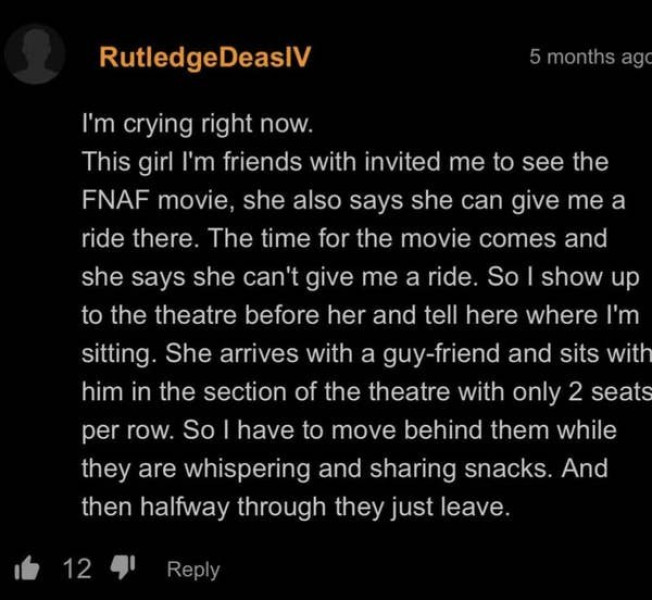
A few of these moments began with someone sharing far too much. One man put thoughts in writing that would have been better left in his drafts. Another poured out his feelings in an email, while someone else made a major confession without knowing how it would be received. There was also a person who wrote an unusually honest dating profile and another who posted an account of an embarrassing experience for everyone online to see. Each story shows how quickly private thoughts can become public once they are sent or posted.
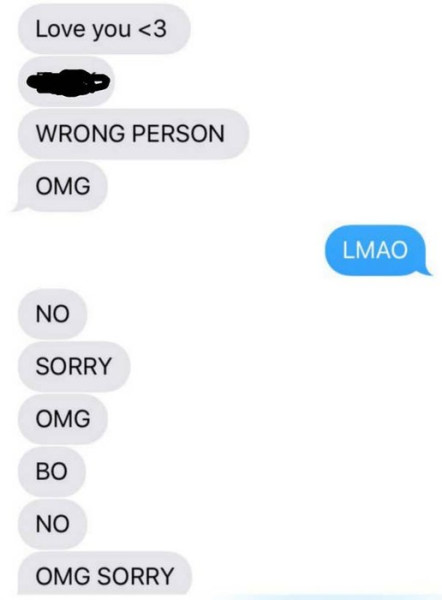
Other messages went wrong because they reached the wrong person. One sender accidentally texted someone else instead of the person they had in mind, while another received a message that was not intended for them. A person sent an intimate text to the wrong recipient, and someone else accidentally insulted a friend. One worker even texted their boss about the boss, rather than keeping the comment private. These mistakes are a reminder that checking the recipient can matter just as much as checking the words.
Crushes, Confessions, and Rejection
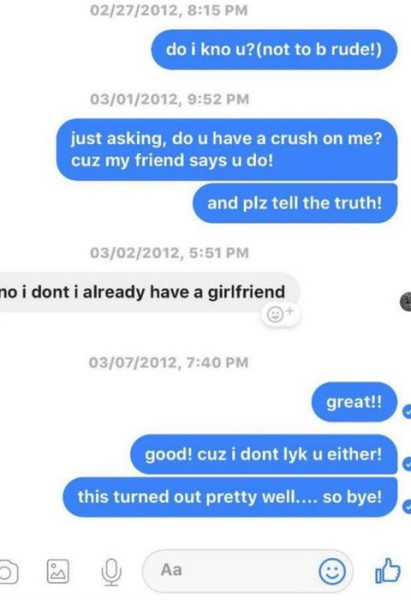
Romantic hope runs through many of these situations. Several people thought their crush might feel the same way, only to discover that their confidence was misplaced. One person believed their love had finally been returned, while another was suffering through unrequited feelings. Someone confessed to a person who had not even saved their number. Elsewhere, a person tried to take back their feelings after sharing them, and another thought they had been ghosted. Those moments can feel especially awkward because the feelings were real, even when they were not mutual.
Rejection arrived in several different forms. One person received a rhyming refusal, and another was turned down with a colorful cartoon avatar. Someone's ex made their feelings unmistakable, while another person's insecurities were confirmed. A crush answered a love note with a clever response, and a person who sent a bold message did not get the result they hoped for. Even a cheesy pickup line worked only partly. These outcomes show that a confession can be answered in many ways, and not all of them offer the clear, happy ending the sender wants.
Flirting That Missed Its Mark
Starting a conversation can be hard, and these examples show what happens when nerves take over. One person asked someone out in an unusually strange way. Another tried to flirt and struggled to make it work, while someone else asked a suggestive question and received an answer they did not want. There was also a person who opened with something other than a simple greeting and quickly made the exchange harder than it needed to be. A bold attempt with a crush ended in a miss, and a person who sent a message from a dating app received a response that raised their hopes before letting them down.
Not every awkward approach was romantic. Someone tried to get sympathy, and another person used the familiar tactic of pretending a question was for a friend. One person made a wrong assumption, then kept making the situation worse by defending it. Another said something foolish and doubled down instead of backing away. A person took the idea of gatekeeping too seriously, while someone else was corrected politely after making a mistake. In each case, the exchange became more uncomfortable as the person tried to manage it.
Dating App and Social Media Mix-Ups
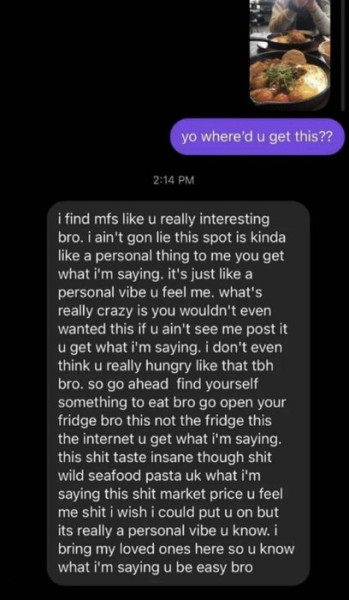
Online dating created its own set of awkward encounters. One person matched with someone they already knew. Another contacted a person they had spotted on a dating app through a different social platform. A stranger sent someone a direct message, and another user mistook a social media service for a search engine. A person who thought they had received a wrong number later realized the situation was not what they assumed. These encounters blurred the line between strangers, acquaintances, and people who were already part of someone’s life.
Plans did not always go smoothly, either. One dating-app match was invited to a particularly bad first date, while another date turned into a group outing. Someone lost a date after pushing the conversation too far. Another person became angry about having to carry a conversation, then faced a rejection and still asked for the other person’s friend’s number. In a different exchange, a person responded to their own message while pretending to be their dog. Each situation took a routine online interaction and made it much harder to forget.
Awkward Moments Beyond Dating
Some of the most uncomfortable stories involved work, money, and everyday misunderstandings. One person posted that their life was empty, and another shared that their spouse had given them an ultimatum. A person thought money could buy another person’s obedience, while a rideshare driver crossed a boundary with a passenger. Someone discovered information they wished they had never learned. Another person misunderstood the meaning of a German word, and someone else was caught trying to scam another person. Not every embarrassing exchange is about romance; sometimes it comes from a poor choice, a wrong assumption, or a serious boundary being crossed.
There were also stories about friendship and social events. One person described a painfully awkward experience as a third wheel, while another shared a sad story about a high school prom. Someone posted a missed-connection account that insisted he had not asked a woman out. A person made a wrong-number assumption, and another was caught in an uncomfortable mix-up. One user’s message suggested a crush was interested, only for that hope to be misplaced. Taken together, these moments cover everything from minor social slips to situations where someone should have stopped and reconsidered what they were doing.
Why These Moments Stick
Embarrassment often comes from the gap between what someone meant to communicate and how another person understood it. A message can sound more intense than intended, a joke can fall flat, or an assumption can lead someone in the wrong direction. Screenshots make those brief exchanges last longer, but the underlying experiences are ordinary: people want connection, make mistakes, and sometimes misread the room. Across all 65 situations, the lesson is simple. A little pause before sending, posting, or pressing ahead can prevent a small awkward moment from becoming a story that keeps circulating.
Messages That Should Have Stayed Unsent
A few of these moments began with someone sharing far too much. One man put thoughts in writing that would have been better left in his drafts. Another poured out his feelings in an email, while someone else made a major confession without knowing how it would be received. There was also a person who wrote an unusually honest dating profile and another who posted an account of an embarrassing experience for everyone online to see. Each story shows how quickly private thoughts can become public once they are sent or posted.
- Someone shared thoughts that probably belonged in a private draft.

- Someone used artificial intelligence as a way to socialize.
- Someone wrote an unusually honest dating profile.
- Someone made a serious confession.
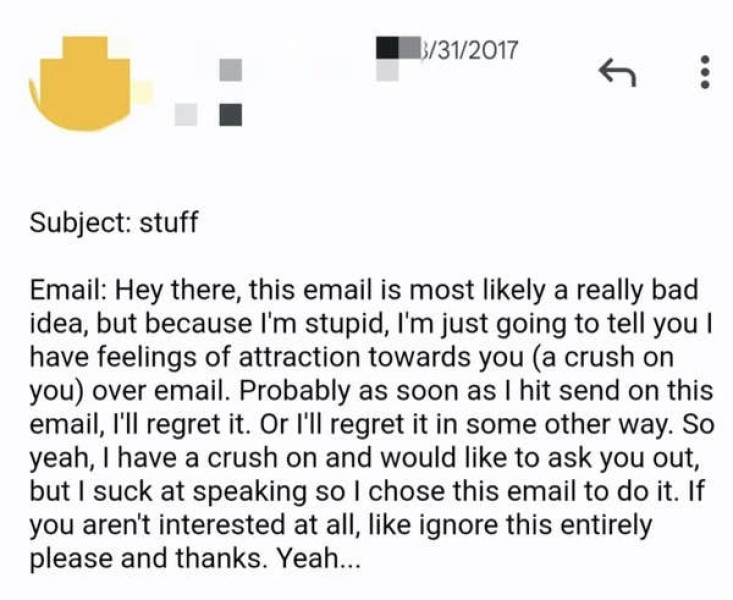
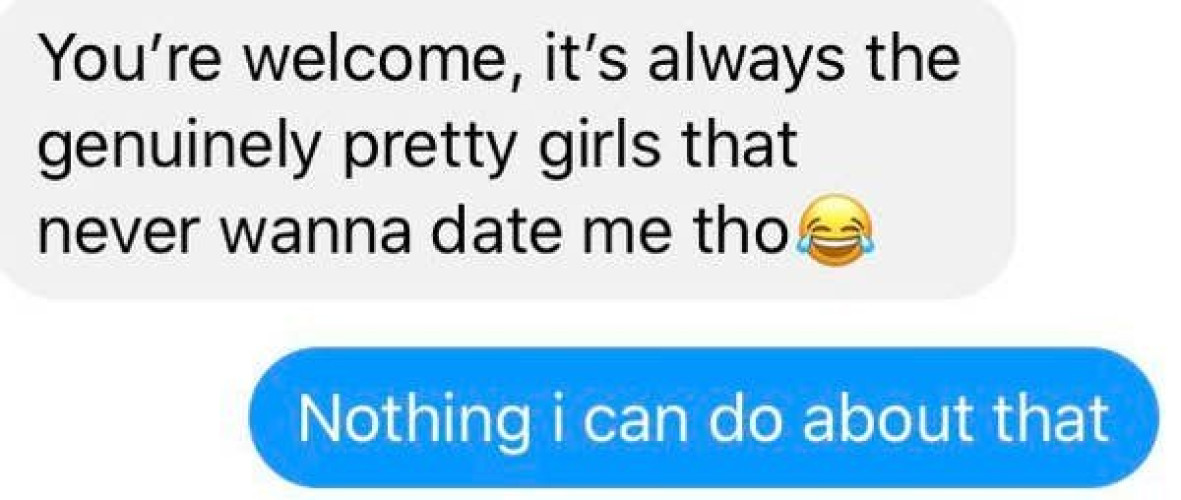
- Someone sent a heartfelt email.
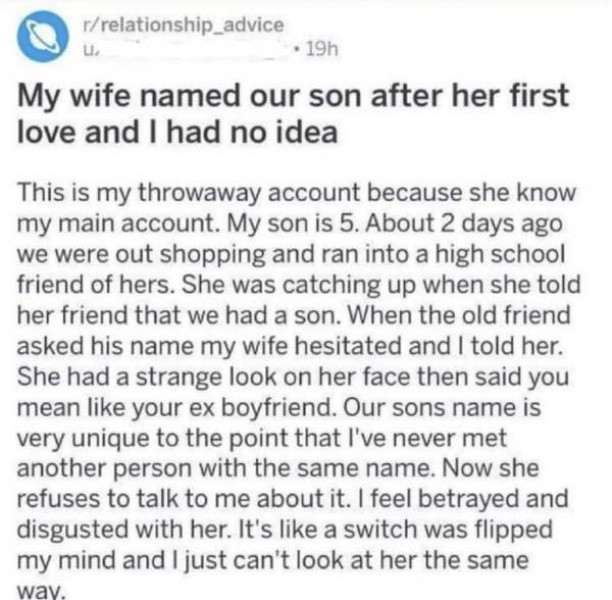
- Someone posted a humiliating story online.

Other messages went wrong because they reached the wrong person. One sender accidentally texted someone else instead of the person they had in mind, while another received a message that was not intended for them. A person sent an intimate text to the wrong recipient, and someone else accidentally insulted a friend. One worker even texted their boss about the boss, rather than keeping the comment private. These mistakes are a reminder that checking the recipient can matter just as much as checking the words.
- An intimate text went to the wrong person.
- A message meant for somebody else landed in the recipient's inbox.
- A person accidentally insulted a friend.
- An employee sent their boss a text about the boss.
- Someone was only trying to return a call.
- A coworker received a message sent during a late-night crisis.
Crushes, Confessions, and Rejection
Romantic hope runs through many of these situations. Several people thought their crush might feel the same way, only to discover that their confidence was misplaced. One person believed their love had finally been returned, while another was suffering through unrequited feelings. Someone confessed to a person who had not even saved their number. Elsewhere, a person tried to take back their feelings after sharing them, and another thought they had been ghosted. Those moments can feel especially awkward because the feelings were real, even when they were not mutual.
Rejection arrived in several different forms. One person received a rhyming refusal, and another was turned down with a colorful cartoon avatar. Someone's ex made their feelings unmistakable, while another person's insecurities were confirmed. A crush answered a love note with a clever response, and a person who sent a bold message did not get the result they hoped for. Even a cheesy pickup line worked only partly. These outcomes show that a confession can be answered in many ways, and not all of them offer the clear, happy ending the sender wants.
- Someone assumed a crush was interested, but the hope was misplaced.
- A person thought love was finally returned.
- Someone confessed to a person who did not have their number saved.
- A crush responded cleverly to a love note.
- One person tried to take back a confession.
- Someone was rejected with a rhyme or a colorful avatar.
- A cheesy pickup line worked, at least a little.
Flirting That Missed Its Mark
Starting a conversation can be hard, and these examples show what happens when nerves take over. One person asked someone out in an unusually strange way. Another tried to flirt and struggled to make it work, while someone else asked a suggestive question and received an answer they did not want. There was also a person who opened with something other than a simple greeting and quickly made the exchange harder than it needed to be. A bold attempt with a crush ended in a miss, and a person who sent a message from a dating app received a response that raised their hopes before letting them down.
Not every awkward approach was romantic. Someone tried to get sympathy, and another person used the familiar tactic of pretending a question was for a friend. One person made a wrong assumption, then kept making the situation worse by defending it. Another said something foolish and doubled down instead of backing away. A person took the idea of gatekeeping too seriously, while someone else was corrected politely after making a mistake. In each case, the exchange became more uncomfortable as the person tried to manage it.
- Someone tried an unusual way of asking for a date.
- A person struggled to flirt and another chose a suggestive question.
- Someone used the “asking for a friend” approach.
- A person made an incorrect assumption and kept defending it.
- Someone tried to fish for sympathy.
- A person received a polite correction.
Dating App and Social Media Mix-Ups
Online dating created its own set of awkward encounters. One person matched with someone they already knew. Another contacted a person they had spotted on a dating app through a different social platform. A stranger sent someone a direct message, and another user mistook a social media service for a search engine. A person who thought they had received a wrong number later realized the situation was not what they assumed. These encounters blurred the line between strangers, acquaintances, and people who were already part of someone’s life.
Plans did not always go smoothly, either. One dating-app match was invited to a particularly bad first date, while another date turned into a group outing. Someone lost a date after pushing the conversation too far. Another person became angry about having to carry a conversation, then faced a rejection and still asked for the other person’s friend’s number. In a different exchange, a person responded to their own message while pretending to be their dog. Each situation took a routine online interaction and made it much harder to forget.
Awkward Moments Beyond Dating
Some of the most uncomfortable stories involved work, money, and everyday misunderstandings. One person posted that their life was empty, and another shared that their spouse had given them an ultimatum. A person thought money could buy another person’s obedience, while a rideshare driver crossed a boundary with a passenger. Someone discovered information they wished they had never learned. Another person misunderstood the meaning of a German word, and someone else was caught trying to scam another person. Not every embarrassing exchange is about romance; sometimes it comes from a poor choice, a wrong assumption, or a serious boundary being crossed.
There were also stories about friendship and social events. One person described a painfully awkward experience as a third wheel, while another shared a sad story about a high school prom. Someone posted a missed-connection account that insisted he had not asked a woman out. A person made a wrong-number assumption, and another was caught in an uncomfortable mix-up. One user’s message suggested a crush was interested, only for that hope to be misplaced. Taken together, these moments cover everything from minor social slips to situations where someone should have stopped and reconsidered what they were doing.
Why These Moments Stick
Embarrassment often comes from the gap between what someone meant to communicate and how another person understood it. A message can sound more intense than intended, a joke can fall flat, or an assumption can lead someone in the wrong direction. Screenshots make those brief exchanges last longer, but the underlying experiences are ordinary: people want connection, make mistakes, and sometimes misread the room. Across all 65 situations, the lesson is simple. A little pause before sending, posting, or pressing ahead can prevent a small awkward moment from becoming a story that keeps circulating.