
A child-free wedding invitation can mean more than “find a sitter.” For one guest, it meant she couldn’t afford to come at all—and when the bride suggested a workaround, the conversation went spectacularly off the rails.
The bride-to-be was left wondering whether she’d set a reasonable boundary or been a lousy friend. Online commenters had plenty to say about both the wedding rule and the message that followed.
1. The Rule Was No Children
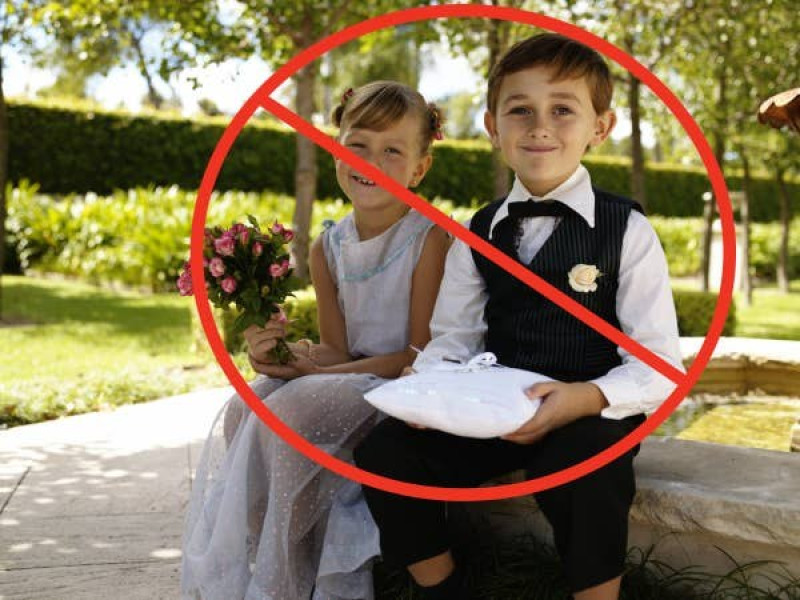
The bride and her fiancé were getting married the following spring. They’d recently sent invitations to friends and family with one firm rule: no children. Their plans included drinking games and other activities they didn’t consider suitable for kids, and both of them worried children would be disruptive.
They wanted an adults-only celebration. That was their call—but it also meant some guests might not be able to attend. One friend had two children under 7 and said she couldn’t come because she couldn’t afford a babysitter.
2. Childcare Was the Problem
The friend sent a long text explaining that the bride knew about her financial situation and knew she couldn’t afford childcare. The bride was taken aback by the message, which framed the wedding rule as the reason her friend would miss the event.

She replied that she understood if her friend couldn’t find a solution, and said they’d miss her. She suggested they get together another time to make up for it. Then she offered an idea: the friend’s husband could stay home with the kids.
The bride said neither she nor her fiancé was especially close to him, and thought perhaps that could work. She also said they’d miss him. In her mind, it was a way for her friend to attend without paying for a sitter. But the proposal came with an obvious complication: it was the bride suggesting which spouse should miss the wedding.

3. Then Came the Text
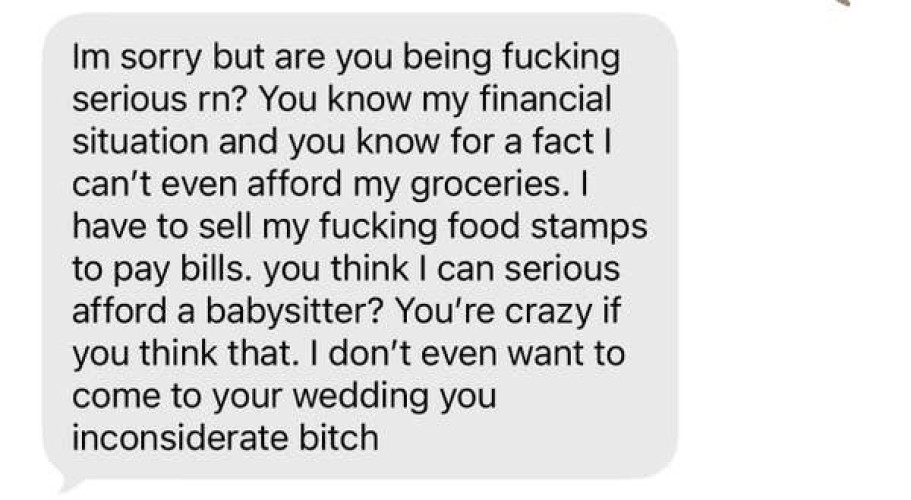
The friend was not on board. She asked whether the bride was serious, then pointed out that she couldn’t afford groceries and was selling food stamps to pay bills. How, she asked, was she supposed to afford a babysitter?
Then came the line that turned a tense exchange into a friendship blowup: “I don’t even want to come to your wedding you inconsiderate bitch.”
The bride said she was baffled and didn’t reply. Instead, she took the question to Reddit: Was she being inconsiderate? Should she pay for a babysitter?
There were two clear problems, and they weren’t the same problem. The couple wanted a child-free wedding. The guest said she couldn’t afford the childcare that would let her attend. And the bride’s suggested workaround—her husband staying home—might have sounded helpful to her, but it also meant weighing in on how the couple should handle their own attendance.
4. The Wedding Rule Had Its Defenders
Some commenters who’d had child-free weddings backed the bride. They said they didn’t regret their choice, even though some guests couldn’t make it. One person said a night of enjoying everyone’s company without worrying about kids was worth saving money for.
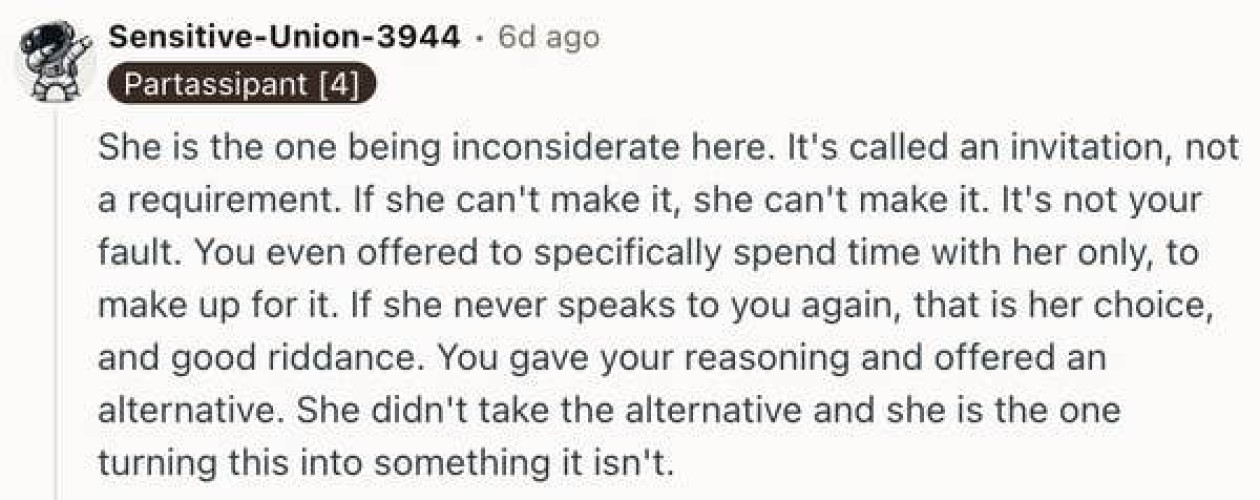
The argument wasn’t that childcare is cheap, or that the friend had an easy choice. It was that an invitation doesn’t guarantee a guest can attend, and the couple can stick to the celebration they planned. One commenter put it bluntly: “If she wanted to, she’d make it happen. Your wedding isn’t about her.”

Many commenters also focused on the insult. The friend could have said she couldn’t afford a sitter and would have to decline. Calling the bride an “inconsiderate bitch” made a difficult conversation much harder to recover from.
5. The Suggested Compromise Was Debated
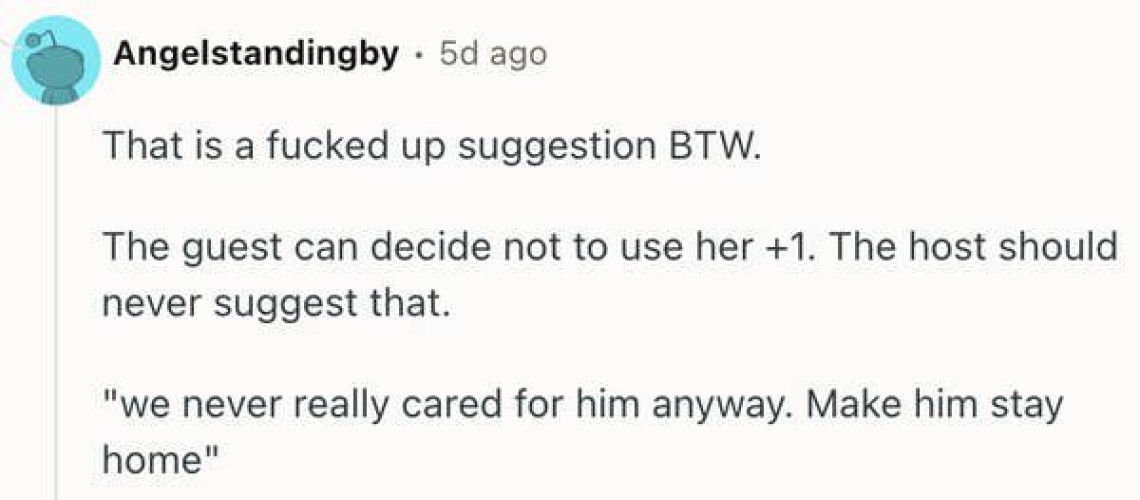
Not everyone thought the bride’s suggestion about the husband was fair. Some commenters said it wasn’t the host’s place to decide which half of a couple should attend. If the friend wanted to bring her husband, they argued, that should be her choice—not something the bride sorted out for her.
The bride could set a no-kids rule, accept that her friend might not be able to come, and offer to get together another time. Suggesting that the husband stay home was a different move. Even if she meant it as a practical option, the friend could hear it as the bride deciding that her husband mattered less to the wedding.
6. Most People Drew a Line at the Insult
Even some commenters who thought the bride’s suggestion was clumsy still felt the friend’s response crossed a line. The bride reportedly knew the friend was struggling financially, and that made the situation painful. But plenty of people felt that hardship didn’t justify lashing out at someone who’d said she understood if the invitation wouldn’t work.
One commenter summed up the prevailing view with a particularly sharp parting shot: “Count your blessings that you found out now before you wasted money on her plate!” It’s not exactly a tender take on a friendship in trouble. But the comment captured the divide: the couple could keep the child-free rule, the friend could decline, and the insult was not required.
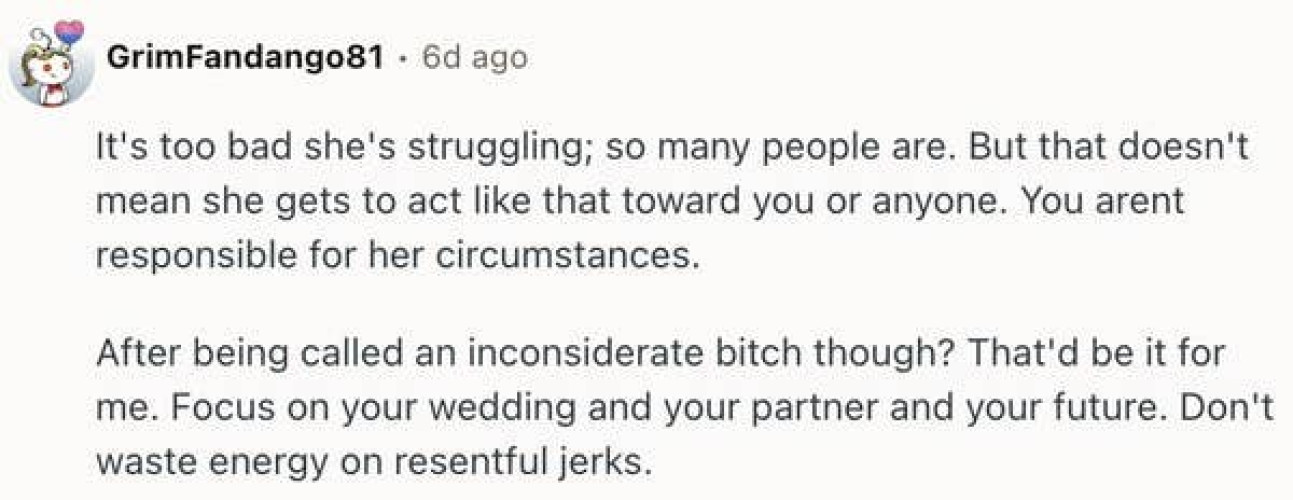
There wasn’t an easy solution in the exchange. The bride’s wedding rule was hers to set, and the guest may genuinely have had no way to afford childcare. The bride’s offer to get together later acknowledged that she might not make it. Her suggestion about the husband, though, may have been better left unsaid. None of that made the friend’s final message less harsh.
Would you keep a child-free wedding rule if a close friend couldn’t afford childcare? And was suggesting the husband stay home a reasonable workaround—or not the bride’s call to make?
The bride-to-be was left wondering whether she’d set a reasonable boundary or been a lousy friend. Online commenters had plenty to say about both the wedding rule and the message that followed.
1. The Rule Was No Children
The bride and her fiancé were getting married the following spring. They’d recently sent invitations to friends and family with one firm rule: no children. Their plans included drinking games and other activities they didn’t consider suitable for kids, and both of them worried children would be disruptive.
They wanted an adults-only celebration. That was their call—but it also meant some guests might not be able to attend. One friend had two children under 7 and said she couldn’t come because she couldn’t afford a babysitter.
2. Childcare Was the Problem
The friend sent a long text explaining that the bride knew about her financial situation and knew she couldn’t afford childcare. The bride was taken aback by the message, which framed the wedding rule as the reason her friend would miss the event.
She replied that she understood if her friend couldn’t find a solution, and said they’d miss her. She suggested they get together another time to make up for it. Then she offered an idea: the friend’s husband could stay home with the kids.
The bride said neither she nor her fiancé was especially close to him, and thought perhaps that could work. She also said they’d miss him. In her mind, it was a way for her friend to attend without paying for a sitter. But the proposal came with an obvious complication: it was the bride suggesting which spouse should miss the wedding.
3. Then Came the Text
The friend was not on board. She asked whether the bride was serious, then pointed out that she couldn’t afford groceries and was selling food stamps to pay bills. How, she asked, was she supposed to afford a babysitter?
Then came the line that turned a tense exchange into a friendship blowup: “I don’t even want to come to your wedding you inconsiderate bitch.”
The bride said she was baffled and didn’t reply. Instead, she took the question to Reddit: Was she being inconsiderate? Should she pay for a babysitter?
There were two clear problems, and they weren’t the same problem. The couple wanted a child-free wedding. The guest said she couldn’t afford the childcare that would let her attend. And the bride’s suggested workaround—her husband staying home—might have sounded helpful to her, but it also meant weighing in on how the couple should handle their own attendance.
4. The Wedding Rule Had Its Defenders
Some commenters who’d had child-free weddings backed the bride. They said they didn’t regret their choice, even though some guests couldn’t make it. One person said a night of enjoying everyone’s company without worrying about kids was worth saving money for.
The argument wasn’t that childcare is cheap, or that the friend had an easy choice. It was that an invitation doesn’t guarantee a guest can attend, and the couple can stick to the celebration they planned. One commenter put it bluntly: “If she wanted to, she’d make it happen. Your wedding isn’t about her.”
Many commenters also focused on the insult. The friend could have said she couldn’t afford a sitter and would have to decline. Calling the bride an “inconsiderate bitch” made a difficult conversation much harder to recover from.
5. The Suggested Compromise Was Debated
Not everyone thought the bride’s suggestion about the husband was fair. Some commenters said it wasn’t the host’s place to decide which half of a couple should attend. If the friend wanted to bring her husband, they argued, that should be her choice—not something the bride sorted out for her.
The bride could set a no-kids rule, accept that her friend might not be able to come, and offer to get together another time. Suggesting that the husband stay home was a different move. Even if she meant it as a practical option, the friend could hear it as the bride deciding that her husband mattered less to the wedding.
6. Most People Drew a Line at the Insult
Even some commenters who thought the bride’s suggestion was clumsy still felt the friend’s response crossed a line. The bride reportedly knew the friend was struggling financially, and that made the situation painful. But plenty of people felt that hardship didn’t justify lashing out at someone who’d said she understood if the invitation wouldn’t work.
One commenter summed up the prevailing view with a particularly sharp parting shot: “Count your blessings that you found out now before you wasted money on her plate!” It’s not exactly a tender take on a friendship in trouble. But the comment captured the divide: the couple could keep the child-free rule, the friend could decline, and the insult was not required.
There wasn’t an easy solution in the exchange. The bride’s wedding rule was hers to set, and the guest may genuinely have had no way to afford childcare. The bride’s offer to get together later acknowledged that she might not make it. Her suggestion about the husband, though, may have been better left unsaid. None of that made the friend’s final message less harsh.
Would you keep a child-free wedding rule if a close friend couldn’t afford childcare? And was suggesting the husband stay home a reasonable workaround—or not the bride’s call to make?