
A casual cooking video from Dwayne Johnson turned into an unexpected discussion about everyday life in the United States. The actor and former professional wrestler shared details about the meal he prepares after training, but viewers quickly focused on something much simpler than the food: the plate holding it. His use of a paper plate surprised people from other countries and even sparked debate among Americans about whether disposable dishes are connected to wealth, culture, or convenience.


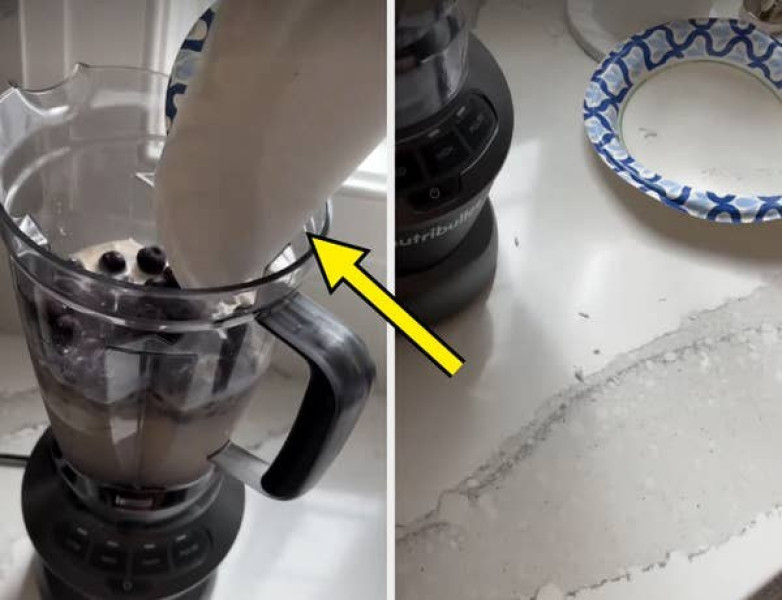
A High-Protein Meal After Training


Johnson showed viewers how he prepares a drinkable meal after completing a workout. The recipe includes creatine, frozen blueberries, protein powder, and more than 100 grams of jasmine rice. The rice may seem unusual in a smoothie, but it provides carbohydrates that can help replace energy used during intense exercise. The combination also gives the meal a large amount of protein and calories without requiring a full sit-down dish right away.


Johnson explained that he usually eats a regular meal two or three hours later, depending on his work schedule. That means the smoothie is meant to serve as an early post-training meal rather than his only food after exercising. The recipe reflects the structured eating habits often followed by people who train heavily and pay close attention to their daily nutrition.
The Plate Became the Main Topic
Although the smoothie included several ingredients that attracted attention, viewers became more interested in the plate Johnson used while preparing it. Instead of placing the food on a ceramic or glass dish, he used a disposable paper plate. For many people, especially those outside the United States, this was an unexpected detail.
Some viewers found it difficult to understand why a celebrity with tremendous wealth would use a paper plate at home. Johnson is widely known to have an estimated net worth of about $800 million, so people assumed he might use expensive kitchenware for even the most ordinary meals. His choice challenged that assumption and showed that wealth does not always determine the small habits people follow in private.
Comments about the plate ranged from surprise to amusement. Some viewers essentially asked why someone as wealthy as Johnson would choose disposable tableware. Others joked that even extremely rich people still keep paper plates in their kitchens. The simple item became more memorable to many viewers than the carefully planned smoothie itself.
Why Paper Plates Surprised Some Viewers
The reaction appears to come from differences in household habits. In some places, paper plates are mostly connected with birthday parties, outdoor events, picnics, or large gatherings. They may not be viewed as normal dishes for an everyday meal at home. Because of that, seeing a wealthy public figure use one for a personal meal seemed unusual or even funny.
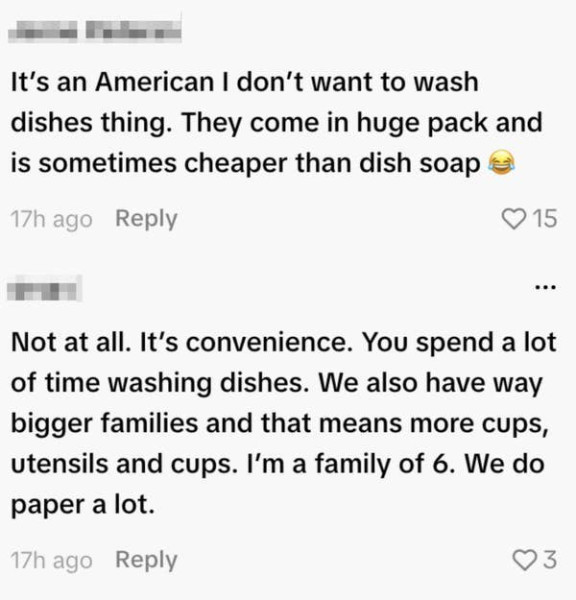
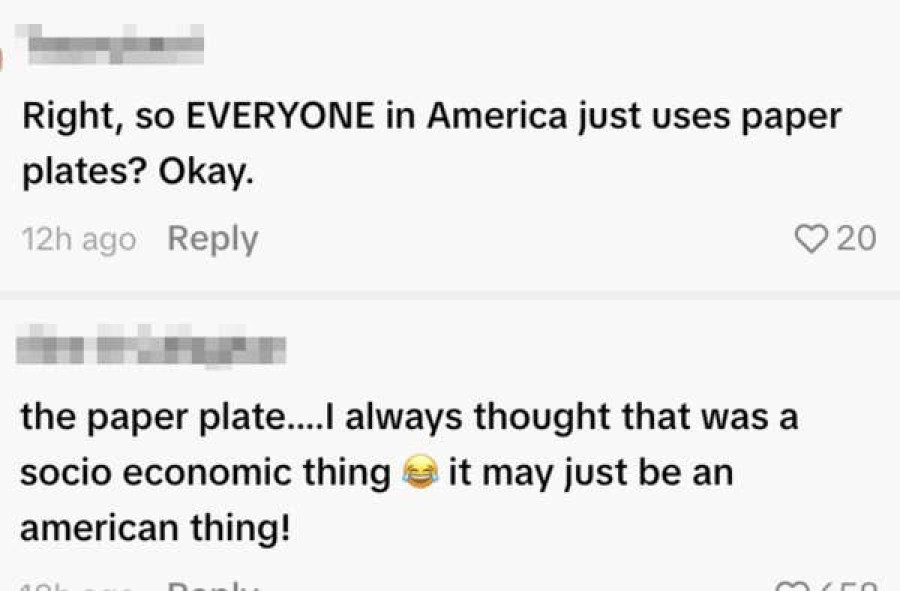
Several people said that they had assumed the use of paper plates was tied to a person’s financial situation. In that view, disposable dishes might suggest that someone is trying to save money or avoid buying more expensive kitchen items. Johnson’s video created a different possibility: paper plates may simply be a common American household product that people use because they are convenient.
That difference led some international viewers to question whether paper plates are especially common in the United States. One viewer from Britain described the practice as almost unheard of in their own experience. The contrast showed how an ordinary kitchen decision can reveal a larger difference between countries.
Not Everyone Found It Strange
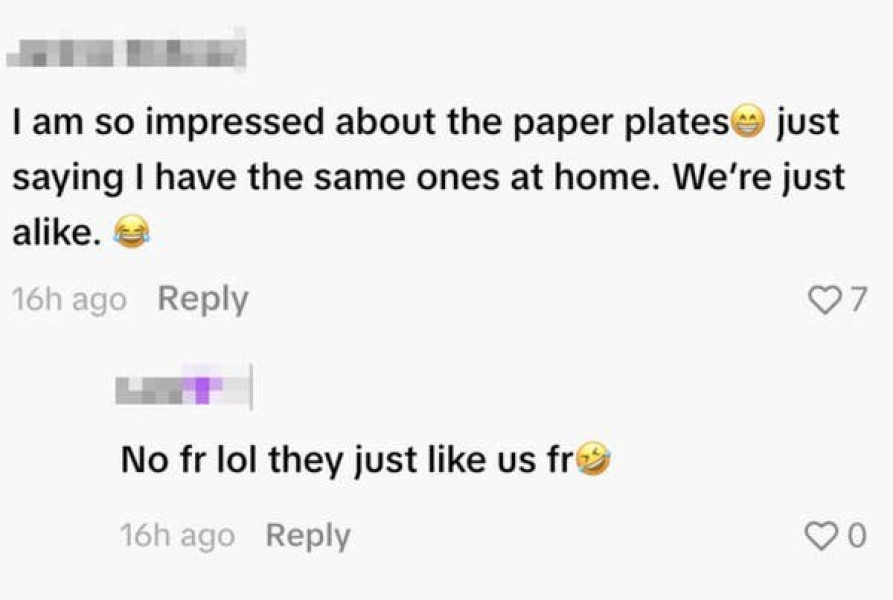
American viewers and others who regularly use disposable dishes were much less surprised. For them, the paper plate did not suggest anything about Johnson’s income or lifestyle. It was simply a practical choice that saved time and avoided washing another dish. Some people even joked that owning the same style of paper plate made them feel connected to the famous star.
Other viewers treated the moment as a reminder that wealthy people can still have ordinary habits. Expensive homes and large bank accounts do not necessarily mean that every meal is served on fine china. A person may spend heavily in some areas of life while still choosing inexpensive products for routine tasks. In this case, Johnson’s plate made him appear more familiar and ordinary to some viewers.
The discussion also showed how quickly people can build assumptions around a public figure. Fans may imagine that a celebrity’s entire lifestyle is luxurious, carefully designed, and far removed from everyday life. A small detail, such as a disposable plate, can challenge that image. It suggests that fame and money do not erase the simple routines found in many homes.
A Small Object With a Bigger Meaning
The debate over the plate was not really about the strength of paper versus ceramic. It was about how people understand comfort, convenience, and social class. Some people see disposable dishes as useful household supplies, while others see them as something reserved for special situations. Neither view is universal, and the difference often depends on where a person lives and what they experienced growing up.
Paper plates can also be helpful for people with busy schedules. They may be used when someone is preparing food quickly, handling a large amount of cooking, or trying to reduce cleanup. For someone following a demanding training routine, avoiding an extra dish may be more important than using traditional tableware. Johnson’s kitchen choice may have reflected convenience rather than a statement about money or status.
The moment also highlighted the way online viewers notice details that were not the main focus of a video. Johnson intended to share his nutrition routine, including the ingredients and timing of his post-training meal. Instead, many people remembered the object beneath the food. The plate became a cultural talking point because it was familiar to some viewers and completely unexpected to others.
Different Homes, Different Everyday Rules
Household customs can vary widely even when people are discussing something as basic as dinnerware. Some families use paper plates regularly, while others use washable dishes for nearly every meal. Some people avoid disposable products because they prefer reusable items, and others rely on them because they make daily life easier. These choices can be shaped by family traditions, local customs, environmental concerns, convenience, and personal preference.
Johnson’s video offered a brief look at one of those everyday differences. It also showed that public figures may continue using ordinary products despite having the money to purchase more expensive alternatives. A paper plate does not necessarily reveal a person’s income, values, or social position. Sometimes it is simply the item that was available and easiest to use.
In the end, a smoothie containing creatine, blueberries, protein powder, and jasmine rice led to a much broader conversation than expected. Viewers debated whether disposable plates are common in America, whether wealthy people use them, and how strongly household habits differ from one country to another. The discussion proved that even the smallest details in a kitchen can reveal surprising differences in culture and expectations.
A High-Protein Meal After Training
Johnson showed viewers how he prepares a drinkable meal after completing a workout. The recipe includes creatine, frozen blueberries, protein powder, and more than 100 grams of jasmine rice. The rice may seem unusual in a smoothie, but it provides carbohydrates that can help replace energy used during intense exercise. The combination also gives the meal a large amount of protein and calories without requiring a full sit-down dish right away.
Johnson explained that he usually eats a regular meal two or three hours later, depending on his work schedule. That means the smoothie is meant to serve as an early post-training meal rather than his only food after exercising. The recipe reflects the structured eating habits often followed by people who train heavily and pay close attention to their daily nutrition.
The Plate Became the Main Topic
Although the smoothie included several ingredients that attracted attention, viewers became more interested in the plate Johnson used while preparing it. Instead of placing the food on a ceramic or glass dish, he used a disposable paper plate. For many people, especially those outside the United States, this was an unexpected detail.
Some viewers found it difficult to understand why a celebrity with tremendous wealth would use a paper plate at home. Johnson is widely known to have an estimated net worth of about $800 million, so people assumed he might use expensive kitchenware for even the most ordinary meals. His choice challenged that assumption and showed that wealth does not always determine the small habits people follow in private.
Comments about the plate ranged from surprise to amusement. Some viewers essentially asked why someone as wealthy as Johnson would choose disposable tableware. Others joked that even extremely rich people still keep paper plates in their kitchens. The simple item became more memorable to many viewers than the carefully planned smoothie itself.
Why Paper Plates Surprised Some Viewers
The reaction appears to come from differences in household habits. In some places, paper plates are mostly connected with birthday parties, outdoor events, picnics, or large gatherings. They may not be viewed as normal dishes for an everyday meal at home. Because of that, seeing a wealthy public figure use one for a personal meal seemed unusual or even funny.
Several people said that they had assumed the use of paper plates was tied to a person’s financial situation. In that view, disposable dishes might suggest that someone is trying to save money or avoid buying more expensive kitchen items. Johnson’s video created a different possibility: paper plates may simply be a common American household product that people use because they are convenient.
That difference led some international viewers to question whether paper plates are especially common in the United States. One viewer from Britain described the practice as almost unheard of in their own experience. The contrast showed how an ordinary kitchen decision can reveal a larger difference between countries.
Not Everyone Found It Strange
American viewers and others who regularly use disposable dishes were much less surprised. For them, the paper plate did not suggest anything about Johnson’s income or lifestyle. It was simply a practical choice that saved time and avoided washing another dish. Some people even joked that owning the same style of paper plate made them feel connected to the famous star.
Other viewers treated the moment as a reminder that wealthy people can still have ordinary habits. Expensive homes and large bank accounts do not necessarily mean that every meal is served on fine china. A person may spend heavily in some areas of life while still choosing inexpensive products for routine tasks. In this case, Johnson’s plate made him appear more familiar and ordinary to some viewers.
The discussion also showed how quickly people can build assumptions around a public figure. Fans may imagine that a celebrity’s entire lifestyle is luxurious, carefully designed, and far removed from everyday life. A small detail, such as a disposable plate, can challenge that image. It suggests that fame and money do not erase the simple routines found in many homes.
A Small Object With a Bigger Meaning
The debate over the plate was not really about the strength of paper versus ceramic. It was about how people understand comfort, convenience, and social class. Some people see disposable dishes as useful household supplies, while others see them as something reserved for special situations. Neither view is universal, and the difference often depends on where a person lives and what they experienced growing up.
Paper plates can also be helpful for people with busy schedules. They may be used when someone is preparing food quickly, handling a large amount of cooking, or trying to reduce cleanup. For someone following a demanding training routine, avoiding an extra dish may be more important than using traditional tableware. Johnson’s kitchen choice may have reflected convenience rather than a statement about money or status.
The moment also highlighted the way online viewers notice details that were not the main focus of a video. Johnson intended to share his nutrition routine, including the ingredients and timing of his post-training meal. Instead, many people remembered the object beneath the food. The plate became a cultural talking point because it was familiar to some viewers and completely unexpected to others.
Different Homes, Different Everyday Rules
Household customs can vary widely even when people are discussing something as basic as dinnerware. Some families use paper plates regularly, while others use washable dishes for nearly every meal. Some people avoid disposable products because they prefer reusable items, and others rely on them because they make daily life easier. These choices can be shaped by family traditions, local customs, environmental concerns, convenience, and personal preference.
Johnson’s video offered a brief look at one of those everyday differences. It also showed that public figures may continue using ordinary products despite having the money to purchase more expensive alternatives. A paper plate does not necessarily reveal a person’s income, values, or social position. Sometimes it is simply the item that was available and easiest to use.
In the end, a smoothie containing creatine, blueberries, protein powder, and jasmine rice led to a much broader conversation than expected. Viewers debated whether disposable plates are common in America, whether wealthy people use them, and how strongly household habits differ from one country to another. The discussion proved that even the smallest details in a kitchen can reveal surprising differences in culture and expectations.