
Content warning: This article discusses serious mental health struggles, suicidal thoughts, and a life-threatening illness.
Joe Manganiello and Sofía Vergara were married for seven years and became widely known as a high-profile couple. Their relationship appeared stable to the public, which made their divorce filing unexpected. The former couple later asked for privacy while they moved through the end of their marriage, but questions about the breakup continued.
Conflicting Plans for Children
Sofía previously said the marriage ended because the couple did not agree about having children. She already had an adult son and explained that she did not want to become an older mother. She also said that her career, lifestyle, and circumstances made her question whether she could give a child all the time and attention the child would need.
Joe later rejected the idea that the divorce happened because he suddenly changed his mind about having a family. He said the subject had been discussed during the first month of their relationship. According to his account, he told Sofía that he would understand if she no longer wanted children and that he would not leave her simply because having children did not happen.
Joe said the public version of events made him appear to be going through a midlife crisis. He also rejected the idea that he had given Sofía an ultimatum, demanding that she go through a potentially unhealthy pregnancy or lose the marriage. He described that portrayal as inaccurate and said it did not reflect who he was or what happened between them.

A Hidden and Dangerous Illness
In his upcoming memoir, Joe describes a private health crisis that began soon after the couple married. He says he was suffering from an autoimmune illness that affected his digestive system and eventually came close to taking his life. The illness caused extreme abdominal pain, so severe that he sometimes could not walk.

He also experienced high fevers, painful blistering rashes, headaches, exhaustion, and bleeding from his rectum. His condition continued to worsen, and he lost 60 pounds. During this period, he underwent many colonoscopies while doctors tried to understand what was happening inside his body.

His illness eventually required emergency surgery. Part of his intestines was removed, leaving him unable to use the bathroom normally. For a time, he depended on an ostomy bag. These physical problems continued while he was newly married, creating pressure that reached beyond his medical treatment and affected his emotional health and personal relationships.
The Effect on His Marriage
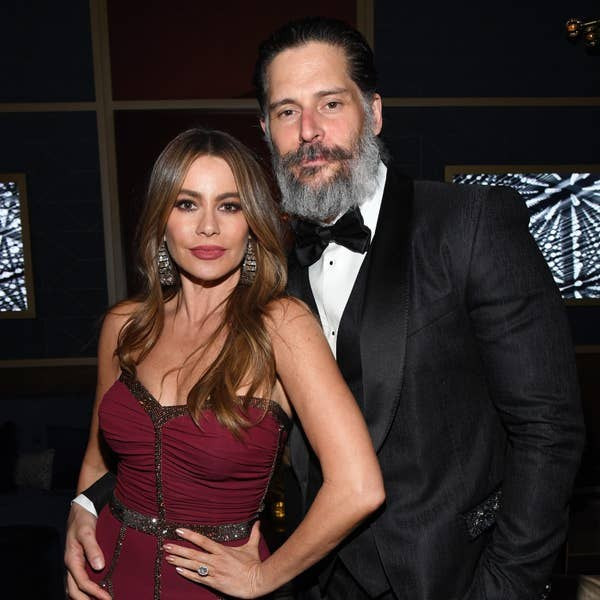
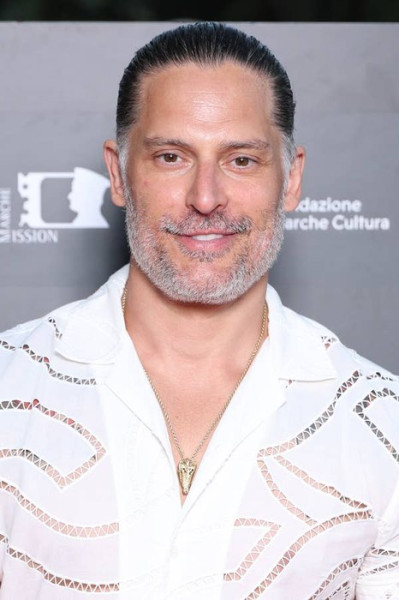
Joe writes that the illness left him feeling emotionally empty. As his physical condition deteriorated, he says he became “devoid of any emotionality whatsoever.” He presents this emotional shutdown as an important part of the tension inside the marriage, explaining that the experience changed how he interacted with the people closest to him.

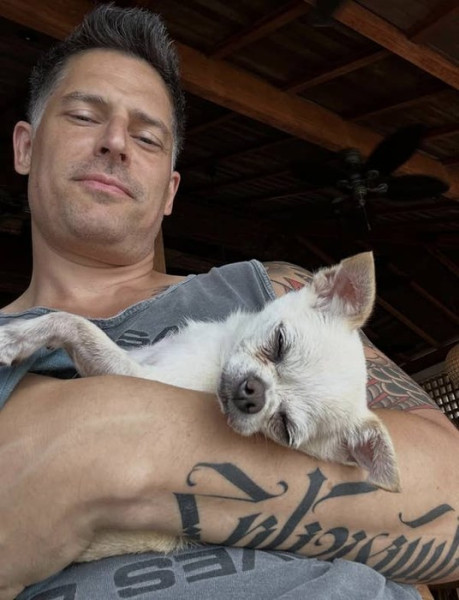
He also alleges that Sofía refused to hug him during this difficult period. In addition, he says she made fun of his small chihuahua, Bubbles. Joe adopted the dog during a period when he was considering suicide, and he describes Bubbles as a major source of support while he was struggling with his health and mental state.
Joe says his suicidal thoughts became serious enough that he gave his gun to someone else because he kept thinking about using it. After Bubbles entered his life, he says his role changed from being only a patient to becoming a caretaker. Caring for the dog gave him a responsibility and helped him focus on something outside his pain.
More Details About Having a Family

Joe continues to dispute the suggestion that children were the single reason the marriage ended. He says the couple did try to start a family during the first year and a half of their marriage. Their attempts included several unsuccessful rounds of in vitro fertilization, after which they began discussing the possibility of using an egg donor.
However, Joe says his worsening illness changed how he viewed that possibility. He was afraid he might die and leave Sofía raising a child who would not be biologically hers. His concern was not only about becoming a parent but also about what could happen to Sofía and the child if his health continued to fail.
These details add another layer to the public discussion about the couple’s disagreement over children. While Sofía described their different wishes as a central reason for the breakup, Joe says the situation was more complicated. In his account, their family plans were affected by medical problems, fertility challenges, and his fear that he might not survive.
Joe’s Reason for Telling His Story
Joe describes the memoir as an effort to correct statements he believes were false. He says claims about him were shared publicly in a way that did not match his experience of the marriage or the divorce. By discussing his illness, suicidal thoughts, fertility struggles, and relationship difficulties, he provides a version of events that had not previously been made public by him.
Sofía has not offered an extensive public response to Joe’s new claims. Because the former couple have shared different explanations for the divorce, the full story of what happened between them remains disputed. Joe’s account represents his perspective, while Sofía’s earlier comments placed the focus on their disagreement about becoming parents.
Support for Anyone in Crisis
People experiencing suicidal thoughts or feeling unable to stay safe should seek immediate help. In the United States, calling or texting 988 connects people with the Suicide and Crisis Lifeline, which operates around the clock and offers free, confidential support. Anyone facing an immediate danger should contact emergency services or go to the nearest emergency department.
People outside the United States can contact a local suicide crisis service or emergency number. LGBTQ young people who are experiencing a mental health crisis can also seek specialized suicide-prevention support through services available in their country. Reaching out to a trusted person, mental health professional, doctor, or crisis counselor can provide an important first step toward staying safe.
Joe’s account describes a marriage affected by serious illness, emotional isolation, fertility struggles, and conflicting public explanations. His memoir is expected to provide more detail about the years he says he spent fighting for his health and mental well-being. The claims remain his personal account, but they show that the end of the relationship involved far more than one simple disagreement.
Joe Manganiello and Sofía Vergara were married for seven years and became widely known as a high-profile couple. Their relationship appeared stable to the public, which made their divorce filing unexpected. The former couple later asked for privacy while they moved through the end of their marriage, but questions about the breakup continued.
Conflicting Plans for Children
Sofía previously said the marriage ended because the couple did not agree about having children. She already had an adult son and explained that she did not want to become an older mother. She also said that her career, lifestyle, and circumstances made her question whether she could give a child all the time and attention the child would need.
Joe later rejected the idea that the divorce happened because he suddenly changed his mind about having a family. He said the subject had been discussed during the first month of their relationship. According to his account, he told Sofía that he would understand if she no longer wanted children and that he would not leave her simply because having children did not happen.
Joe said the public version of events made him appear to be going through a midlife crisis. He also rejected the idea that he had given Sofía an ultimatum, demanding that she go through a potentially unhealthy pregnancy or lose the marriage. He described that portrayal as inaccurate and said it did not reflect who he was or what happened between them.
A Hidden and Dangerous Illness
In his upcoming memoir, Joe describes a private health crisis that began soon after the couple married. He says he was suffering from an autoimmune illness that affected his digestive system and eventually came close to taking his life. The illness caused extreme abdominal pain, so severe that he sometimes could not walk.
He also experienced high fevers, painful blistering rashes, headaches, exhaustion, and bleeding from his rectum. His condition continued to worsen, and he lost 60 pounds. During this period, he underwent many colonoscopies while doctors tried to understand what was happening inside his body.
His illness eventually required emergency surgery. Part of his intestines was removed, leaving him unable to use the bathroom normally. For a time, he depended on an ostomy bag. These physical problems continued while he was newly married, creating pressure that reached beyond his medical treatment and affected his emotional health and personal relationships.
The Effect on His Marriage
Joe writes that the illness left him feeling emotionally empty. As his physical condition deteriorated, he says he became “devoid of any emotionality whatsoever.” He presents this emotional shutdown as an important part of the tension inside the marriage, explaining that the experience changed how he interacted with the people closest to him.
He also alleges that Sofía refused to hug him during this difficult period. In addition, he says she made fun of his small chihuahua, Bubbles. Joe adopted the dog during a period when he was considering suicide, and he describes Bubbles as a major source of support while he was struggling with his health and mental state.
Joe says his suicidal thoughts became serious enough that he gave his gun to someone else because he kept thinking about using it. After Bubbles entered his life, he says his role changed from being only a patient to becoming a caretaker. Caring for the dog gave him a responsibility and helped him focus on something outside his pain.
More Details About Having a Family
Joe continues to dispute the suggestion that children were the single reason the marriage ended. He says the couple did try to start a family during the first year and a half of their marriage. Their attempts included several unsuccessful rounds of in vitro fertilization, after which they began discussing the possibility of using an egg donor.
However, Joe says his worsening illness changed how he viewed that possibility. He was afraid he might die and leave Sofía raising a child who would not be biologically hers. His concern was not only about becoming a parent but also about what could happen to Sofía and the child if his health continued to fail.
These details add another layer to the public discussion about the couple’s disagreement over children. While Sofía described their different wishes as a central reason for the breakup, Joe says the situation was more complicated. In his account, their family plans were affected by medical problems, fertility challenges, and his fear that he might not survive.
Joe’s Reason for Telling His Story
Joe describes the memoir as an effort to correct statements he believes were false. He says claims about him were shared publicly in a way that did not match his experience of the marriage or the divorce. By discussing his illness, suicidal thoughts, fertility struggles, and relationship difficulties, he provides a version of events that had not previously been made public by him.
Sofía has not offered an extensive public response to Joe’s new claims. Because the former couple have shared different explanations for the divorce, the full story of what happened between them remains disputed. Joe’s account represents his perspective, while Sofía’s earlier comments placed the focus on their disagreement about becoming parents.
Support for Anyone in Crisis
People experiencing suicidal thoughts or feeling unable to stay safe should seek immediate help. In the United States, calling or texting 988 connects people with the Suicide and Crisis Lifeline, which operates around the clock and offers free, confidential support. Anyone facing an immediate danger should contact emergency services or go to the nearest emergency department.
People outside the United States can contact a local suicide crisis service or emergency number. LGBTQ young people who are experiencing a mental health crisis can also seek specialized suicide-prevention support through services available in their country. Reaching out to a trusted person, mental health professional, doctor, or crisis counselor can provide an important first step toward staying safe.
Joe’s account describes a marriage affected by serious illness, emotional isolation, fertility struggles, and conflicting public explanations. His memoir is expected to provide more detail about the years he says he spent fighting for his health and mental well-being. The claims remain his personal account, but they show that the end of the relationship involved far more than one simple disagreement.