
Airline Revamps Business Class Fare, Trimming Benefits
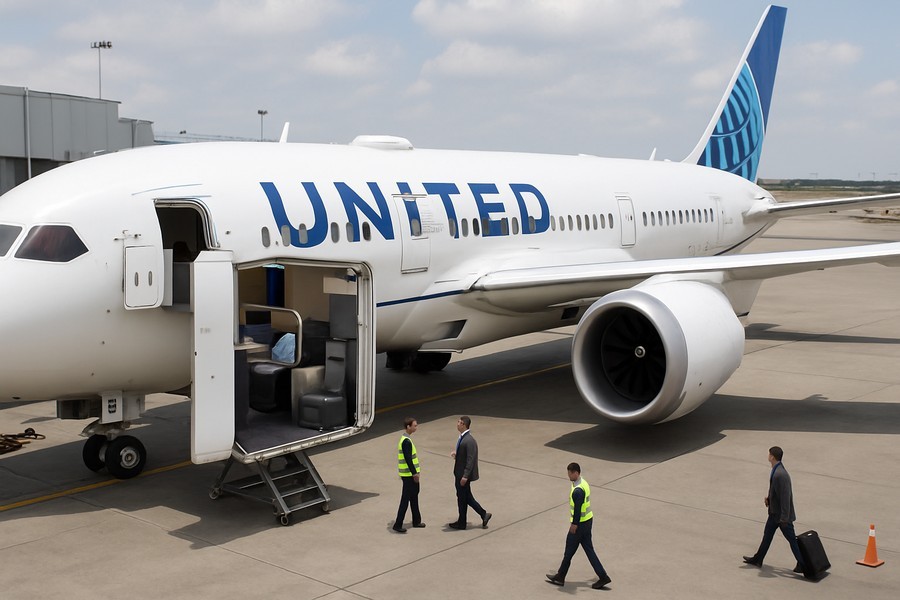
A notable airline, headquartered in Chicago, has recently unveiled a significant revamp of its fare system, introducing a tiered pricing model, including a new 'basic' option for its high-end business class. The initiative marks a larger shift in how luxury travel is priced, with fewer features included at reduced price points.
The airline, which operates from significant hubs like Chicago and Newark, anticipates introducing these changes in specific markets beginning in 2026. The new approach aligns with changing passenger needs and escalating rivalry in the luxury leisure travel sector.
New Fare Structure for Premium Cabins
The airline is instituting a three-tier system: basic, standard, and flexible, for its premium cabins. This model will be applicable to long-distance international, transcontinental, and specific Hawaii routes.
The basic business class fare introduces several restrictions that were previously unheard of in premium cabins. Travelers will now be charged additional for seat selection and will receive only one free checked bag instead of two.
Furthermore, these fares will not permit ticket modifications or refunds, unlike higher tiers. Travelers will also lose access to high-end Lounges, although entry to the general lounge remains included.
Revamp in Business Class Services
The introduction of the basic business class reflects a broader trend in the airline industry to segment revenue more precisely. The airline seeks to attract both budget-conscious travelers and affluent customers within the same cabin.
While the airline presents this as an increase in choice, the structure effectively separates traditional business class benefits. Many amenities once included in the base fare now require additional fees or higher fare tiers.
Travelers booking basic fares will also be barred from upgrading to the premium studio seats. These luxury seating options remain exclusive to higher fare categories.
Effect on Travelers
The new fare model may not result in significant savings for passengers. Instead, industry experts anticipate current lowest business class fares to be reclassified as 'basic', encouraging upselling to pricier options.
This strategy mirrors the evolution of basic economy, where decreased benefits often prompt passengers to spend more. Consequently, travelers seeking the same experience as before may end up paying higher prices.
The change also signifies altering travel patterns. Demand for luxury leisure remains robust, while corporate travel has yet to bounce back fully. Airlines are adapting by targeting those willing to pay for comfort but sensitive to pricing.
The airline has confirmed that award tickets will not initially come under the basic category. However, future modifications to loyalty redemptions remain possible as the airline continues to refine its pricing strategy.
Industry Outlook
The airline's move is expected to impact other significant U.S. carriers. Rivals are likely to introduce similar fare structures shortly to remain competitive.
The rollout also brings operational considerations into focus, especially for international routes involving airline partnerships. Collaboration across alliances will be necessary to maintain consistency in pricing and benefits.
As premium cabins become more segmented, passengers will need to pay closer attention to fare conditions. The era of all-inclusive business class tickets seems to be slowly shifting toward a more modular approach.
Stay tuned for more updates on this developing story.