
Alberta Separatists on the Brink of Independence Vote
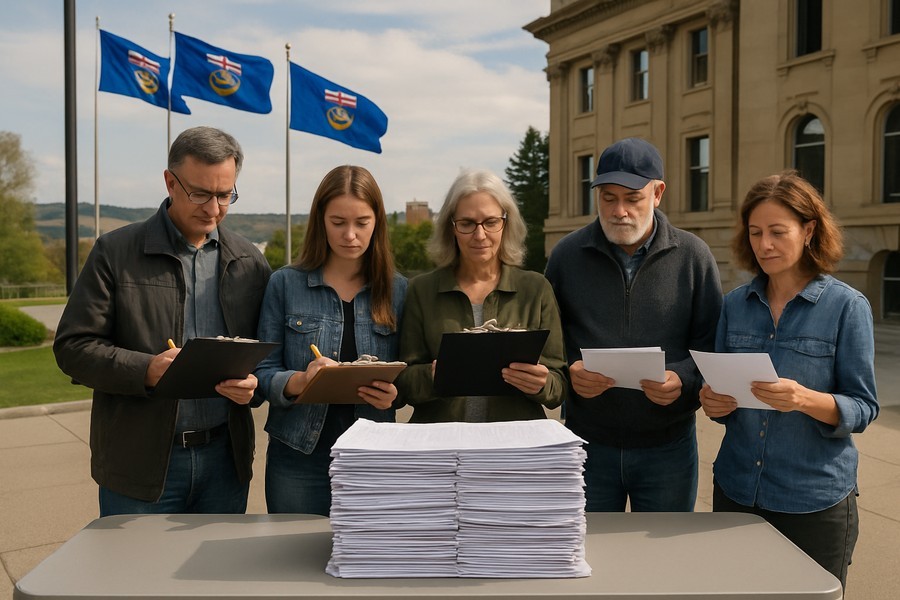
After a successful petition by a group of separatists in Alberta, Canada, the province is heading towards a possible independence vote. The group has managed to gather more signatures than required for the initiation of a referendum.
The desire for Alberta to secede has its roots in a sentiment of regional neglect by the country's leaders in Ottawa. There is a perception that the province's needs are often disregarded in favor of national priorities.
Gathering Support for Independence
The petition required at least 10% of eligible voters - around 178,000 signatures - to initiate the independence campaign. The separatist group announced they had exceeded this target, collecting over 300,000 signatures.
The head of the separatist group, Mitch Sylvestre, expressed his excitement over the milestone, drawing a parallel between the campaign's progress and reaching the finals of a major sports event. However, the celebration may be premature as the signatures are currently undergoing verification, a process that has been put on hold due to a pending court decision.
Legal Hurdles
A group of indigenous First Nations has launched a legal challenge, arguing that Alberta's separation from Canada would infringe on their rights. A court decision on this matter is expected soon. Kevin Hille, the attorney representing the Athabasca Chipewyan First Nation, is hopeful that their case could halt the referendum process.
He highlighted that the creation of an international border would negatively affect the treaty rights and way of life of his clients, referring to agreements made between the British Crown and First Nations communities over a century ago.
In a separate ruling last December, an Alberta court stated that a secession referendum would be illegal as it contravenes the rights of First Nations, as outlined in Canada's constitution. However, the petition process continues after the Alberta government modified its laws to remove the necessity for citizen-initiated referenda to be constitutional.
Next Steps
The current case before the courts aims to determine if the December ruling still stands despite the legal modifications. If the court rules in favor of the First Nations, the referendum can only proceed if proposed by the provincial government.
If the signatures on the petition are confirmed, Alberta citizens could cast their vote on the question of independence as soon as this fall. The question posed would be, "Do you agree that the Province of Alberta should cease to be part of Canada to become an independent state?"
Roots of Discontent
Frustration with the federal government has been growing in Alberta, particularly regarding the management of its natural resources. Many citizens feel that the government, particularly under the Liberals, has hindered the growth of the province's oil and gas industry with its pro-climate legislation.
While the notion of separation was once considered an extreme view, it has gained traction in recent times. However, polls indicate that a majority of Albertans would vote against secession, with about 25% in favor, as per a recent survey by a Canadian polling firm.
A counter-petition titled "Forever Canadian," opposing separation, has garnered 450,000 signatures and is currently under review by a committee that will determine its future.
Jeff Rath, a lawyer and organizer advocating for Alberta independence, spoke earlier this year about conducting "a feasibility study" on a possible $500bn line of credit if the province separates. He clarified that his group is not soliciting funding from outside Canada.