
Spring Sky Set to Showcase the First Full Moon of the Season
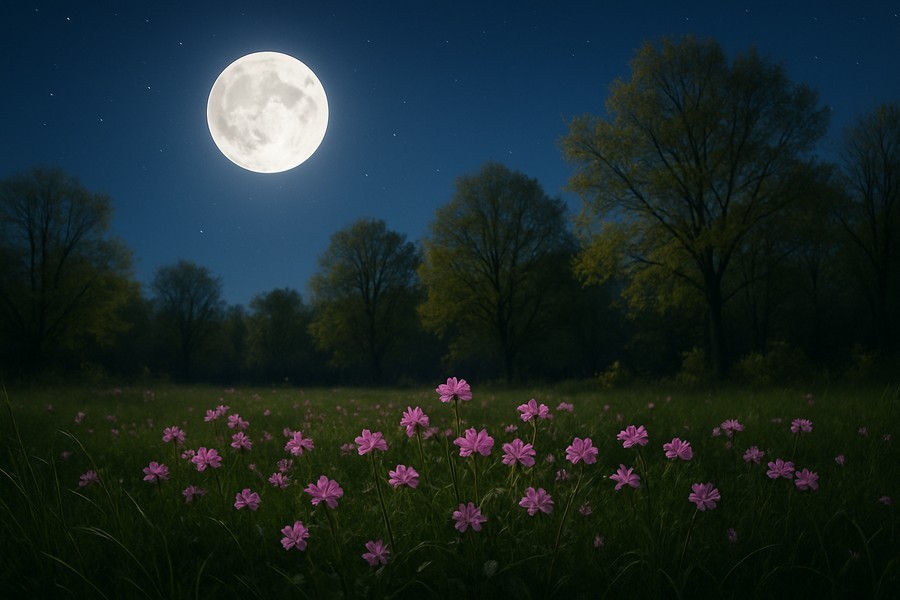
Get ready to see the first full moon of the spring season! Known as the full pink moon, it will reach its peak on a Wednesday night, making an appearance in the night sky. Don't let the name fool you though, the moon will still shine in its typical brilliant silver color.
The Pink Moon: A Name Inspired by Spring Blooms
So why is it called a pink moon? Well, it's not because of the moon's color. It's actually named after the Phlox subulata, a species of wildflower native to the eastern part of North America. This flower, often referred to as "moss pink," typically blooms around the time of this full moon. This is how the full moon in April got its rosy nickname.
Best Viewing Opportunities
While the peak of the full pink moon is a sight to see, you might still catch a glimpse of the full moon on Tuesday or Thursday. Full moons can be seen by people in both the Northern and Southern Hemispheres, as they are in the full moon phase for up to 12 hours before and after the peak.
For the best viewing experience, it's advised to find a location with clear skies and no obstructions from trees or buildings. The darker the surroundings, the better you can appreciate the lunar event.
Cultural Significance of the April Full Moon
The full moon in April holds different meanings and has various names across Indigenous communities. For example, the Cherokee refer to it as "kawohni," which translates to flower moon. The Hopi call it "kwiyamuyaw," meaning moon of windbreak, and the Assiniboine name it "tabehatawi," or frog moon.
Full Pink Moon Marks the Beginning of a Space Journey
The full pink moon also signifies the start of a potential launch window for Artemis II, the first manned mission to the moon in over half a century. Four astronauts are preparing to venture into deep space, planning to fly around the moon and beyond its far side.
The early April launch period is set to run from the 1st to the 6th of the month, with a two-hour window each day. The launch window opens at different times before sunset each day, progressively later after sunset in the following days.
As you gaze at the full moon, the crew might be on their way. They might have just launched. This will be the last full moon before the Artemis II mission, and it will look different not only to the crew members but to all of us who follow their journey.
Upcoming Sky Events: Meteor Showers and Full Moons
In addition to full moons, sky-gazers can also look forward to meteor showers in April and May. The Lyrids, one of the oldest known meteor showers, will peak between the 21st and 22nd of April. You can expect to see 10 to 20 meteors per hour during the peak, especially if you're in the Northern Hemisphere.
The Lyrids meteor shower originates from the leftover particles from Comet Thatcher. For the best viewing experience, it's recommended to watch the shower away from city lights, after the moon has set and before dawn. This way, you can enjoy the show with minimal interference from moonlight.
The Eta Aquariids meteor shower will peak next, on the 5th and 6th of May. Unfortunately, due to the moonlight, you might see less than 10 meteors per hour. However, this annual shower is known for its fast meteors, which travel at about 40 miles (approximately 65 kilometers) per second into Earth’s atmosphere, leaving a glowing trail behind them.
May will also bring two full moons, one at the start of the month and another at the end. The second full moon in a single calendar month is often referred to as a "blue moon". This phenomenon occurs roughly every 30 months on average.