
Imagine coming back from two weeks of vacation to find out your unanswered work messages have earned you a meeting with HR. Not because of a missed deadline or some crisis, but because your boss felt ignored while you were off the clock.
That was the welcome-home surprise for one junior employee. The reason for the messages? A third party had a question that, by the employee’s account, could have waited.
1. Two weeks off, then a meeting with HR
The employee had taken two weeks of vacation over the holidays and didn’t respond to their boss’s calls, texts, or emails. When they got back, a meeting with HR was waiting. They weren’t sure what to say.

After the meeting, the employee explained that they were junior, didn’t have a company phone, and had been told their boss felt “ignored” and was “worried” because they hadn’t replied. The boss said a third party had a question for them on December 22. The employee said it could have waited.
HR gave them a verbal warning. The boss reportedly called it another instance of “insubordination.” The employee’s response? They were already applying for other jobs.

2. The honeymoon that got six months’ notice
One commenter had worked at a Fortune 100 company and spent six months warning everyone about an upcoming two-week honeymoon. They sent reminders every week with their end-of-week reports to every division they supported, making it clear they’d be away and unavailable.
Six months of notice is impressive. At that point, if the workplace still can’t plan around your absence, the problem may not be your calendar skills.

3. Four states away, still getting calls about metrics
Another commenter recalled a district manager calling during vacation to ask about metrics. The employee was in New Mexico, four states away, and had a fair question of their own: what exactly was a phone call supposed to accomplish?
They pointed out that the manager could make the 30-minute drive to speak with their supervisors, or simply call the store. Instead, a routine metrics question had apparently become urgent the moment the employee left town. The employee’s frustration is easy to understand: if the manager can call the store, the vacationing worker may not be the only available option.
4. A company with a 15-minute rule
Not every workplace treats a vacation day as a chance to check whether employees are still reachable. One commenter said their husband’s company gives an employee a full day of PTO back if they have to work at all on a vacation day, even for a 15-minute phone call.
That’s a pretty clear way to recognize that “quick” work still takes time away from a day off. And the interruption doesn’t always end when the call does: now you’ve been pulled back into whatever you were trying to leave at work.

5. HR says the manager has the problem
An HR worker said they’d tell a manager to “suck it up” if the complaint was that an employee couldn’t be reached while on PTO. Managers, they said, need to make sure the business can cover its needs when key people are unavailable. If that coverage isn’t in place, that’s a management failure—not evidence that the employee did something wrong by taking vacation.
The HR worker also said they’d bring the manager’s complaint up at their next department meeting, asking colleagues, “Can you believe what this knucklehead tried to do?” Not exactly a formal policy, but perhaps a useful reminder that HR doesn’t automatically consider every manager’s grievance a reasonable one.

6. Belgium draws a line after hours
A commenter said Belgium had recently activated a law preventing bosses from contacting workers about work-related matters after working hours, with exceptions for time-sensitive, high-priority questions. Ordinary day-to-day work, they said, should wait for business hours.
That distinction matters: an urgent issue is not the same as a question that’s merely convenient to ask right now. Most routine work questions can survive until the next workday.

7. Ask which rule you supposedly broke
One commenter’s advice for the employee was to ask HR, in writing, which section of the employee handbook they had violated. If employees are expected to be on call during PTO, that expectation should be spelled out—not revealed as a surprise after they return.
It would also make the basis for the warning clearer. A boss feeling ignored is not the same as an employee breaking a written policy. Those are two very different conversations to have in an HR meeting.
8. The apology that never happened
Another commenter suggested a more audacious response: thank the boss and HR for the meeting, then say there’s no need for the boss to formally apologize for harassment over the vacation, since the employee knows it won’t happen again.
It’s a pointed line, and probably not the lowest-drama way to handle things. But after getting warned for not answering a non-urgent question while away, it’s easy to see why someone might be tempted to bring a little sarcasm back to the office.

9. Update the résumé
Some commenters skipped the policy debate and went straight to job-search advice: “Clean up your résumé and get the fuck out.” The employee had already started applying elsewhere, so this was less a brand-new plan than confirmation that the warning had changed how they felt about staying.
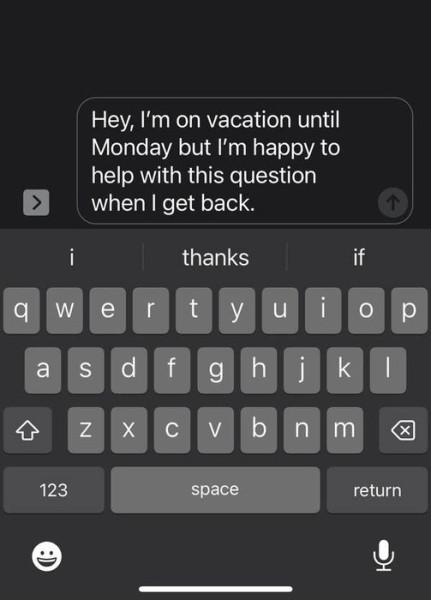
There was also a less drastic suggestion for handling non-emergency messages: reply when convenient with something like, “Hi, I’m on vacation, but I’m happy to discuss this on [date] when I get back.” That makes the boundary clear without promising to monitor messages during time off. But it still leaves a fair question: why should an employee have to reassure a boss they’re unavailable during approved vacation?

Would you ignore the messages, send one reply with your return date, or start looking for another job after a warning like this?
That was the welcome-home surprise for one junior employee. The reason for the messages? A third party had a question that, by the employee’s account, could have waited.
1. Two weeks off, then a meeting with HR
The employee had taken two weeks of vacation over the holidays and didn’t respond to their boss’s calls, texts, or emails. When they got back, a meeting with HR was waiting. They weren’t sure what to say.
After the meeting, the employee explained that they were junior, didn’t have a company phone, and had been told their boss felt “ignored” and was “worried” because they hadn’t replied. The boss said a third party had a question for them on December 22. The employee said it could have waited.
HR gave them a verbal warning. The boss reportedly called it another instance of “insubordination.” The employee’s response? They were already applying for other jobs.
2. The honeymoon that got six months’ notice
One commenter had worked at a Fortune 100 company and spent six months warning everyone about an upcoming two-week honeymoon. They sent reminders every week with their end-of-week reports to every division they supported, making it clear they’d be away and unavailable.
Six months of notice is impressive. At that point, if the workplace still can’t plan around your absence, the problem may not be your calendar skills.
3. Four states away, still getting calls about metrics
Another commenter recalled a district manager calling during vacation to ask about metrics. The employee was in New Mexico, four states away, and had a fair question of their own: what exactly was a phone call supposed to accomplish?
They pointed out that the manager could make the 30-minute drive to speak with their supervisors, or simply call the store. Instead, a routine metrics question had apparently become urgent the moment the employee left town. The employee’s frustration is easy to understand: if the manager can call the store, the vacationing worker may not be the only available option.
4. A company with a 15-minute rule
Not every workplace treats a vacation day as a chance to check whether employees are still reachable. One commenter said their husband’s company gives an employee a full day of PTO back if they have to work at all on a vacation day, even for a 15-minute phone call.
That’s a pretty clear way to recognize that “quick” work still takes time away from a day off. And the interruption doesn’t always end when the call does: now you’ve been pulled back into whatever you were trying to leave at work.
5. HR says the manager has the problem
An HR worker said they’d tell a manager to “suck it up” if the complaint was that an employee couldn’t be reached while on PTO. Managers, they said, need to make sure the business can cover its needs when key people are unavailable. If that coverage isn’t in place, that’s a management failure—not evidence that the employee did something wrong by taking vacation.
The HR worker also said they’d bring the manager’s complaint up at their next department meeting, asking colleagues, “Can you believe what this knucklehead tried to do?” Not exactly a formal policy, but perhaps a useful reminder that HR doesn’t automatically consider every manager’s grievance a reasonable one.
6. Belgium draws a line after hours
A commenter said Belgium had recently activated a law preventing bosses from contacting workers about work-related matters after working hours, with exceptions for time-sensitive, high-priority questions. Ordinary day-to-day work, they said, should wait for business hours.
That distinction matters: an urgent issue is not the same as a question that’s merely convenient to ask right now. Most routine work questions can survive until the next workday.
7. Ask which rule you supposedly broke
One commenter’s advice for the employee was to ask HR, in writing, which section of the employee handbook they had violated. If employees are expected to be on call during PTO, that expectation should be spelled out—not revealed as a surprise after they return.
It would also make the basis for the warning clearer. A boss feeling ignored is not the same as an employee breaking a written policy. Those are two very different conversations to have in an HR meeting.
8. The apology that never happened
Another commenter suggested a more audacious response: thank the boss and HR for the meeting, then say there’s no need for the boss to formally apologize for harassment over the vacation, since the employee knows it won’t happen again.
It’s a pointed line, and probably not the lowest-drama way to handle things. But after getting warned for not answering a non-urgent question while away, it’s easy to see why someone might be tempted to bring a little sarcasm back to the office.
9. Update the résumé
Some commenters skipped the policy debate and went straight to job-search advice: “Clean up your résumé and get the fuck out.” The employee had already started applying elsewhere, so this was less a brand-new plan than confirmation that the warning had changed how they felt about staying.
There was also a less drastic suggestion for handling non-emergency messages: reply when convenient with something like, “Hi, I’m on vacation, but I’m happy to discuss this on [date] when I get back.” That makes the boundary clear without promising to monitor messages during time off. But it still leaves a fair question: why should an employee have to reassure a boss they’re unavailable during approved vacation?
Would you ignore the messages, send one reply with your return date, or start looking for another job after a warning like this?