
New California Center Opens as Behavioral Health Care Expands
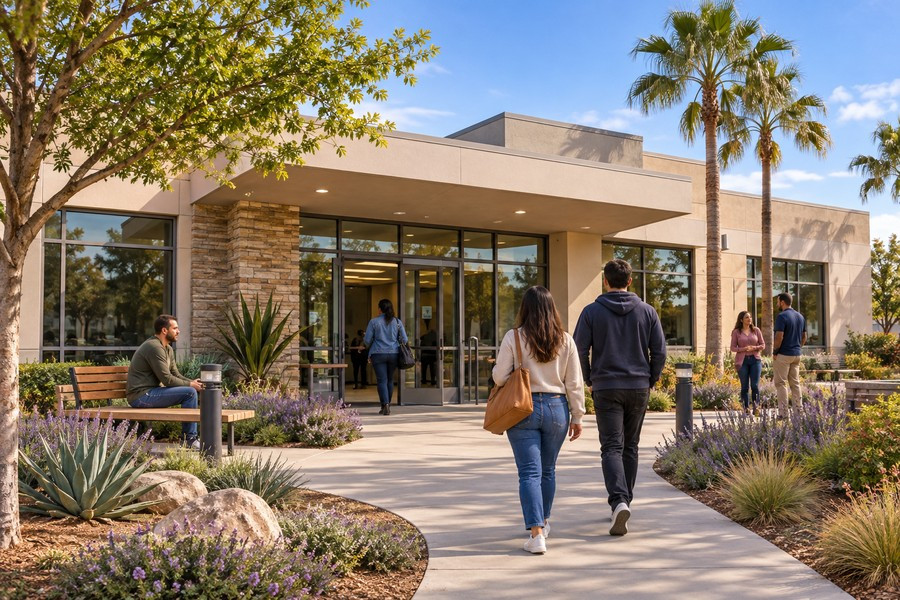
A new community treatment center has opened in California, becoming the first project funded through the first round of a voter-approved behavioral health bond to begin serving people. The center offers mental health care, treatment for opioid use, and outpatient services for people with substance use disorders.
It is the first of many facilities expected to open in the coming years. The projects are meant to give more people access to care in their communities and help build a stronger system for people facing mental health or addiction challenges.
Treatment Capacity Passes State Goals
California’s bond-funded program has already reached more than its statewide targets for both residential and outpatient care:
- Residential treatment: 6,948 beds, or 102% of the goal.
- Outpatient treatment: 27,868 treatment spaces, or 104% of the goal.
Those projects are expected to add 9,570 beds and 44,863 outpatient treatment spaces. Together, the new spaces are projected to serve more than 5.4 million people each year.
The investments include services for young people, housing and support, help for people returning to their communities after incarceration, prevention programs, and training for behavioral health workers. The larger goal is to address long-standing gaps in care, reduce homelessness, and help keep people with serious behavioral health needs out of the criminal justice system.
Funding Reassigned to Three Projects
The state is directing more than $146 million in bond funding to three additional projects in Los Angeles and Shasta counties. The money will continue to support the expansion of treatment services across California.
- A project in Shasta County will create 107 beds for psychiatric care, crisis stabilization, social rehabilitation, and residential treatment. Its services are planned for people across a 10-county region.
- A project in the Skid Row area of Los Angeles County will build a 50-bed center offering peer-led behavioral health support and stabilization services.
- Another Los Angeles County project will add 30 residential beds for substance use treatment and 120 outpatient treatment spaces, expanding access to addiction care and recovery services.
A Wider Effort to Improve Care
The bond and facility programs are part of a broader plan to improve behavioral health care. That work includes stronger community mental health services, suicide and crisis support, prevention, housing, and help for children experiencing trauma or crisis. It also includes efforts to support young men facing loneliness, improve services for people leaving the justice system, and build the behavioral health workforce.
One part of the plan is a court-based process designed to connect people with severe mental illness to treatment. The state is also working to make crisis response and support easier to reach, while creating more options for care outside hospitals and jails.
Addressing Long-Standing Gaps
California’s current system developed after state hospitals were closed without enough community services to take their place. Over time, many people who needed care ended up without stable housing or in the criminal justice system. The effects of those gaps have lasted across generations.
People in California with untreated psychosis are now 10 times more likely to experience homelessness and 16 times more likely to be incarcerated. The state’s expanded treatment network is intended to change those outcomes by connecting people with care, housing, and support earlier.
The newly opened center is an early example of that expansion. More facilities are expected to follow, adding treatment beds and outpatient services across the state.