
Unusual Swings in California's Weather Conditions Continue
The state of California has experienced dramatic changes in its weather recently, shifting from record-breaking warmth to heavy snowfall and back again. In particular, the Sierra Nevada region has faced significant disruptions due to these weather fluctuations.
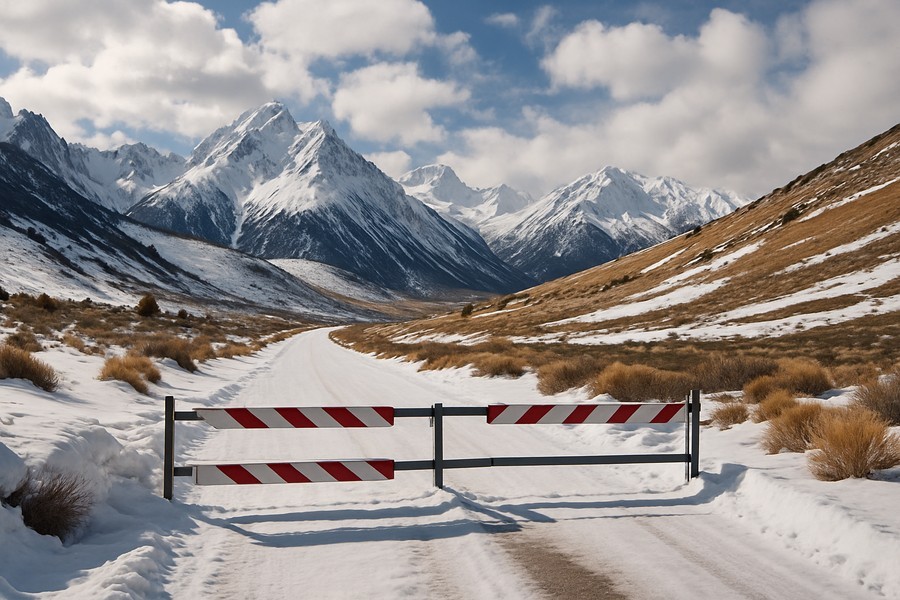
The unexpected snowfall, which also reached lower elevations, broke a nearly 40-day streak of warm and dry conditions. This sudden shift occurred during what has been the warmest winter on record for most Western U.S. regions, including many of California's mountainous areas. The heavy snow led to widespread travel disruptions, particularly for those who were not prepared for such weather conditions. Major mountain highways in the Sierra Nevada were closed for extended periods.
The Deadly Consequences of Rapid Weather Changes
The most tragic outcome of this rapid weather shift was an avalanche near Castle Peak, which resulted in the death of nine backcountry skiers. This event marked not only the deadliest avalanche in modern California history but also the most fatal avalanche in the United States since 1981.
The avalanche was caused by a combination of factors, including a weak and icy snow layer created by the warm temperatures and freeze-thaw cycles in the weeks leading up to the event. The arrival of an intense blizzard-like snowstorm, which dumped between 4-6 feet of snow on nearby peaks over a two to three-day period, also contributed to the disaster. This combination of a weak base layer and intense snow accumulation during the storm led to an extraordinarily high risk of snow slab failures.
Record-Breaking Snowfall
While the snowfall was not record-breaking, it did make some top-10 lists in favored locations along the Sierra western slope. The Central Sierra Snow Lab recorded its 10th snowiest 24-hour period and its 9th snowiest 72-hour period during this event. The most notable statistic was the five-day accumulation of 111 inches, marking the 3rd snowiest such period on record.
The heavy snowfall considerably bolstered the central and southern Sierra snowpack, bringing many high-elevation sites to levels near or above the average snow water equivalent for the time of year. However, many lower elevation sites and those in the Northern Sierra and Shasta Mountains remain below average even after last week's snowfall.
Perspective on the West
Contrary to California's situation, most of the West experienced less impressive snowfalls. Despite some improvements, the only place where snowpack was close to average was California and a portion of the northern Rockies. Extremely low snow conditions persist in the Pacific Northwest, Great Basin, and central/southern Rockies. Even after the recent snowfall, many locations remain near or at record low snow water equivalents.
Upcoming Warm and Moist Atmospheric River
There has been buzz about a very warm and moist atmospheric river set to affect Northern California in the coming days. This plume of air, originating in the subtropics, will produce widespread rain, resulting in a rain-on-snow event across Northern California's mountainous areas. Despite the potential for some localized and modest flooding, widespread or severe flooding is unlikely during this event.
Looking Ahead: A Warming and Drying Trend
As the week progresses, the state will see a shift towards drier and warmer conditions. Southern California will experience spring-like temperatures, reaching well into the 70s and possibly 80s. Northern California will also warm, with coastal and valley temperatures rising well into the 60s and even some 70s. This warm and damp weather will gradually become warm and dry, leading to the melting of the mountain snowpack.
Looking further ahead into March, the most likely outcome seems to be a quieter weather period compared to the recent active pattern. Unfortunately, this is not good news for the ongoing severe snow drought across the Intermountain West. However, thanks to the recent weather fluctuations, California has temporarily exited its multi-year drought and is currently the only Western U.S. state without an acute drought.