
A New Name for a Great Lake? US and Canada Clash Over Border Waters
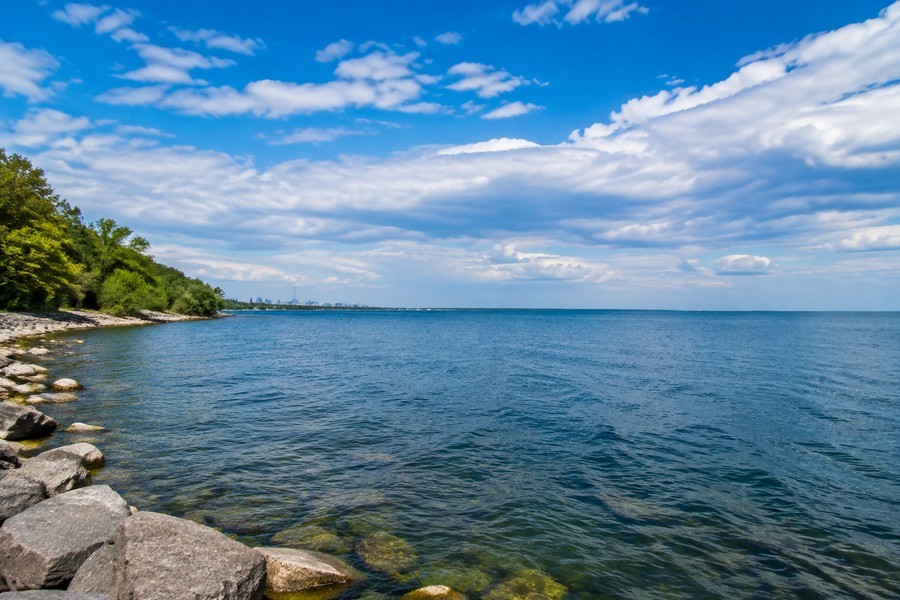
A major body of water shared by the United States and Canada has become the latest focal point in a growing trade dispute between the two nations. The American president suggested changing the name of Lake Ontario to Lake America, pointing to a decline in business relations with the Canadian province of Ontario as the reason for the proposed change.
To emphasize the point, an image was shared online showing a map of the region. On this map, the original name of the lake was crossed out and replaced with the new name in a bold, metallic font. This symbolic gesture comes at a time when import taxes and trade disagreements are causing friction between the two neighboring countries.
Canadian Officials Shrug Off the Suggestion
Canadian political leaders did not seem overly concerned by the idea of renaming the shared lake. They made it clear that whatever happens on the American side of the border, their own maps, signs, and language will remain unchanged.
The leader of Ontario, Premier Doug Ford, reacted to the proposal with humor. He mentioned during an interview that he found the idea amusing and stated that the body of water would always be known as Lake Ontario within Canada. He added that the American president has the right to call it whatever he prefers, whether that is Lake America, Lake Trump, or any other name of his choosing.
Other high-ranking Canadian officials shared similar views. During a press conference, the Minister of Industry, Mélanie Joly, firmly stated that Canada would continue to use the traditional name regardless of any changes made by the United States. She emphasized that Canada would stand up for its territory, remain strategic, and defend its national interests while dealing with these types of situations.
With a similar perspective, the Minister for Internal Trade, Dominic LeBlanc, explained that the Canadian government decided some time ago not to react to daily social media posts from American leadership. When asked by reporters about the situation, he noted that the government is focusing its energy on strengthening its own economy and keeping a productive working relationship with the United States government rather than debating names online.
A Pattern of Renaming Landmarks
This is not the first time the American president has suggested changing the names of well-known geographic features to reflect national pride or political goals. In the past, similar actions were taken with other major landmarks:
- The Gulf of Mexico was ordered to be renamed the Gulf of America.
- Mount Denali, the tallest mountain in North America located in Alaska, was changed back to its former name, Mount McKinley.
These previous actions show a pattern of using geographic names to emphasize national identity and policy goals during times of political discussion.
Rising Tariffs and Trade Tensions
The discussion over the lake's name comes at a time of severe economic tension between the two neighboring countries. Both nations have recently introduced heavy taxes, known as tariffs, on goods imported from one another. Tariffs are taxes that a government places on imported goods, often making those products more expensive for consumers and businesses in the importing country.
The conflict escalated when the United States placed a 50 percent tariff on several Canadian exports, including building supplies and alcoholic beverages. Following this, the American administration threatened another round of 50 percent tariffs on critical items like steel and automotive parts, which are scheduled to take effect early next year.
In response to these economic pressures, Canada announced its own set of retaliatory measures. The Canadian government plan includes placing tariffs of up to 50 percent on a variety of American imports. These taxes will target goods such as:
- Steel shipments
- Dairy products
- Consumer electronics
These Canadian countermeasures are set to go into effect in the coming months, marking a significant escalation in the trade dispute. While the battle over the name of the lake may seem symbolic, the underlying economic struggle is having a very real impact on businesses and consumers on both sides of the border.