
Stomach Illness Concerns Grow as Produce Contamination Spreads
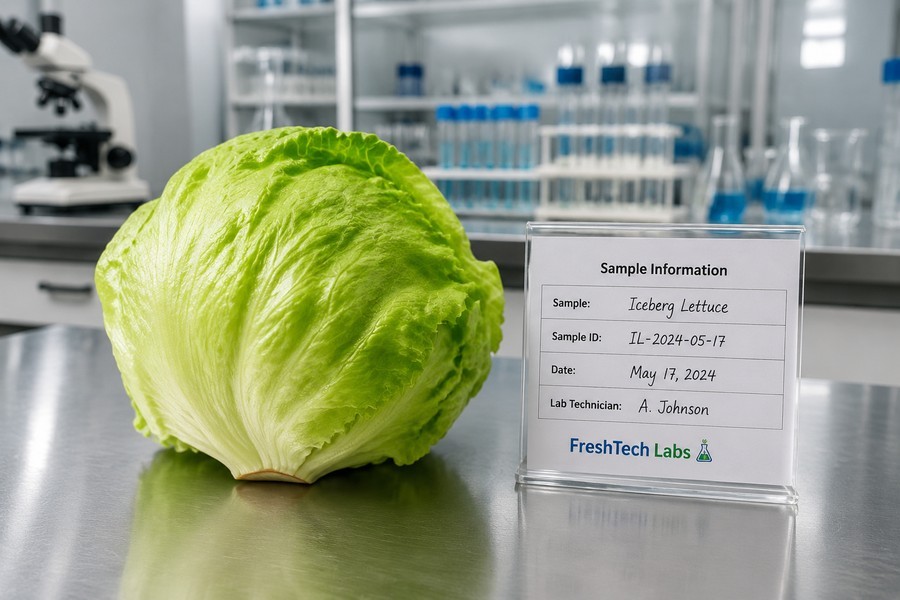
A microscopic parasite found in iceberg lettuce has spread to multiple states, leaving many consumers worried about the safety of their salads. On social media, the situation has quickly gained traction, with users sharing their concerns under the tag "lettuce-gate" and questioning whether the food supply is truly safe. Despite official efforts to manage the issue, the number of people getting sick continues to climb.
Recently, a top government health official attempted to reassure the public. This official stated that the source of the contamination had been found and that the responsible businesses had pulled their products from store shelves. However, national health agencies soon released updated numbers showing that hundreds of additional people have fallen ill, bringing the total number of confirmed infections to 1,947.
The Impact of the Illness
So far, at least 98 hospitalizations have been reported due to the infection. Fortunately, no deaths have been reported. Still, the fear of getting sick has made many people hesitate before eating fresh vegetables. In one widely shared online video, a consumer asked if others were also terrified to eat lettuce at the moment, reflecting a widespread anxiety among shoppers.
Investigators believe the contaminated iceberg lettuce came from a large food processing plant located in central Mexico. In response to the safety concerns, a spokesperson for the agricultural company explained their side of the situation. The company noted that government food safety tests had not yet officially confirmed the presence of the parasite in their product samples.
Even without official confirmation, the company took several steps to protect consumers:
- They immediately pulled all suspected products from the market.
- They expanded their recall to include all iceberg lettuce harvested from that entire region.
- They voluntarily stopped all lettuce harvesting and processing at their facilities in central Mexico.
This supplier also sent lettuce to a popular fast-food restaurant chain. Once the issue came to light, the restaurant chain quickly removed the affected lettuce from all of its locations to keep customers safe. Meanwhile, government laboratories in Mexico conducted their own tests on 10 lettuce samples and four water samples from the facility but did not find any signs of the parasite.
Confusion Over Test Results
The investigation has faced some confusing twists. Earlier, national food safety inspectors announced that a lettuce sample from the supplier had tested positive for the parasite. Shortly after, they declared that this result was actually a false positive. However, officials later clarified that all of their data and evidence still point directly to the shredded iceberg lettuce coming from the supplier's facilities in central Mexico.
So far, laboratory-confirmed cases have popped up in nine specific states:
- Illinois
- Indiana
- Kansas
- Kentucky
- Michigan
- Ohio
- Oklahoma
- Pennsylvania
- West Virginia
While these nine states have confirmed cases, health authorities believe the outbreak is much wider. They suspect that there are multiple related outbreaks affecting 41 states. Since late spring, there have been more than 4,100 laboratory-confirmed cases and an additional 7,400 suspected cases across the country.
Health experts warn that the number of sick people will likely continue to grow. This is because it can take up to six weeks for local and national health departments to test patients, gather data, and officially link a sick person to this specific outbreak.
What is This Parasite?
The illness is caused by a tiny, single-celled parasite known as Cyclospora. People usually catch it by consuming food or water that has been contaminated. The parasite causes an unpleasant stomach and intestinal illness called cyclosporiasis. The most common symptom is watery and sometimes extremely sudden diarrhea. Other symptoms can include stomach cramps, bloating, nausea, and fatigue. It can take up to two weeks after eating the contaminated food for a person to start feeling sick.
Many medical experts believe the public should remain cautious. One leading hospital epidemiologist pointed out that the situation is not yet fully under control. This expert warned that even if this specific batch of iceberg lettuce is the main cause, other types of fresh produce could also be carrying the parasite.
To support this concern, national food safety agencies recently announced another separate investigation into a different outbreak of the same parasite, though they have not yet named the specific food responsible. At the same time, health officials in North Carolina are looking into more than 560 potential cases. In that area, investigators suspect the illness might be linked to other fresh items, including parsley and cilantro, in addition to lettuce.