
Top Army Leader Expected to Step Down After Period of Tension
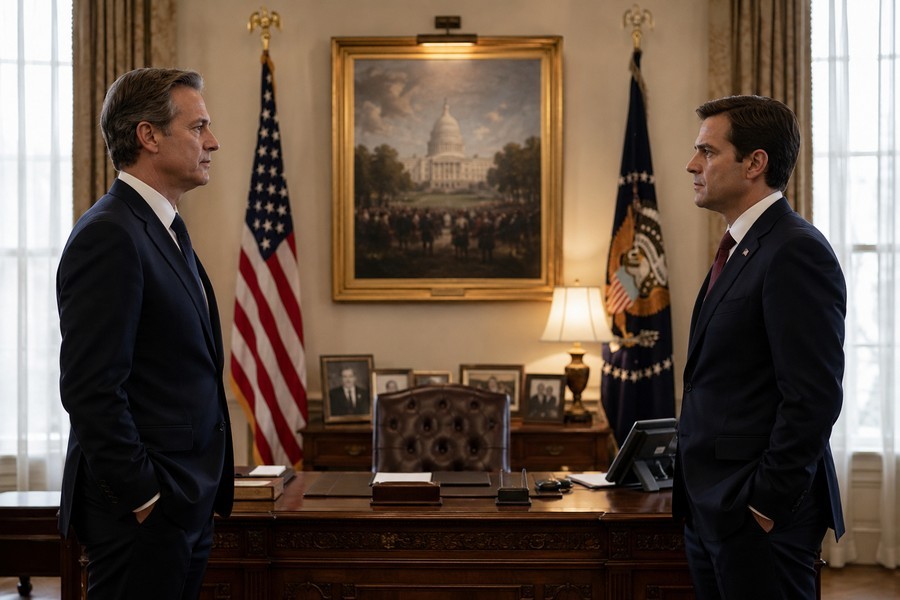
The civilian head of the Army, Dan Driscoll, is preparing to leave his job. He is expected to step down before the end of the year, and his departure could happen even sooner. This decision comes after several months of strain between him and the head of the military, Defense Secretary Pete Hegseth.
To understand why this matters, it helps to look at how the military is run. The Army Secretary is a civilian official. This means they are not an active-duty soldier. Instead, they act as a bridge between the military and the government, making sure the Army has the funding, equipment, and rules it needs to do its job. The Defense Secretary is the boss of all the different military branches, including the Army, Navy, and Air Force. When these two top leaders do not get along, it can create challenges for the entire military.
An Early Sign of Change
There are already clear signs that a leadership change is coming. Recently, Driscoll and his family packed up and moved out of their official home. This residence, located at a military base in Virginia, is the traditional home for the person serving as the Army Secretary. Moving out of this home early suggests that plans for his departure have been underway for some time.
So far, neither leader has made a public statement about the situation. The offices representing the Army and the defense department have also declined to comment on the matter.
A Growing Gap at the Top of the Army
If Driscoll leaves his post soon, it will create a major leadership challenge. The Army is already facing a shortage of permanent leaders at a very busy time.
Currently, the Army is missing its top military officer as well. Earlier this year, the Defense Secretary removed the Army Chief of Staff, General Randy George, from his position. No public explanation was given for this decision, and a permanent replacement has not yet been officially selected.
Right now, an acting chief of staff, General Christopher LaNeve, is filling that role. He previously worked closely with the Defense Secretary as a military aide.
Before someone can officially take on these top leadership roles, they must go through a process called Senate confirmation. This means members of the U.S. Senate must vote to approve the person. This process is designed to make sure the country's military leaders are well-qualified. When a leader leaves unexpectedly, finding a replacement and getting them approved can take a long time.
If Driscoll departs before the Senate can approve a new leader, the Army will start the upcoming year without permanent, Senate-approved leaders in its two most important roles:
- The Top Civilian Leader: The Army Secretary, who oversees the entire department.
- The Top Military Officer: The Army Chief of Staff, who directs military operations and training.
This double vacancy comes at a critical time. American soldiers are currently involved in an active conflict with Iran that has been going on for nearly half a year.
Big Changes Across the Military
The potential departure of the Army Secretary is not an isolated event. It is part of a much larger effort to reorganize the leadership of the United States armed forces.
In recent months, several other high-ranking military leaders have left their positions. These include:
- The Chief of Naval Operations: The top leader of the Navy.
- The Vice Chief of Staff of the Air Force: The second-in-command for the Air Force.
These departures are part of a broader plan to reshape the leadership team at the very top of the military under the direction of the Defense Secretary.
Who is the Departing Army Secretary?
Driscoll has a long history of military service. He is a former Army Ranger who served in Iraq. Because of his background and skills, he was widely seen as a rising star within the current presidential administration.
He also has close personal ties to the administration. He is a longtime friend of Vice President JD Vance. Because of this connection and his strong performance, some people believed that Driscoll might eventually be chosen to take over as the Defense Secretary.
This possibility may have contributed to the growing tension between Driscoll and his current boss. While the exact reasons for their difficult working relationship are not fully known, the two leaders have experienced months of strain.
Despite these challenges, the administration has continued to show trust in Driscoll. During his time in office, he was given special tasks that went beyond his normal duties with the Army, including important national security assignments.
Looking Forward
As of now, no official announcement has been made regarding a change in leadership. There is also no public timeline for when a new Army Secretary might be chosen. For now, the military continues to operate under its current leadership structure as it navigates complex challenges both at home and abroad.

