
New Military Hormone Testing Policy Faces Questions From Lawmakers
A group of lawmakers is asking the nation's defense leader for clear answers about a new plan to test the hormone levels of military members. The policy, which requires checking testosterone levels, has raised several concerns. Lawmakers want to know how the program will work, what it will cost, and how it will affect the health and careers of troops.
The questions were sent in a letter to the defense secretary. The lawmakers who signed the letter argue that the defense department has not shown enough proof that this wide-reaching policy is necessary or safe. They are worried about the lack of scientific evidence behind the decision.
What Is the New Hormone Testing Plan?
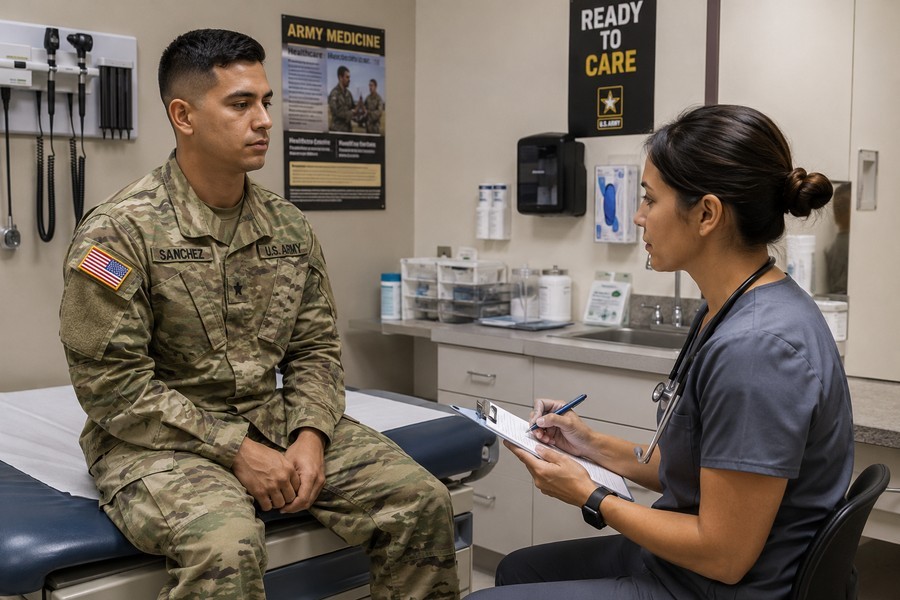
The new directive changes how yearly health checkups are done for service members. Usually, these annual physicals focus on basic health markers like vision, hearing, and general wellness. Under the new plan, testosterone screening will be added to routine annual exams for all service members who are 30 years old or older, including women.
Here are the key details of the proposed plan:
- Age 30 and older: All service members in this age group must have their testosterone levels tested.
- Under age 30: Younger service members can choose to get tested if they want to, but it is not mandatory.
- Treatment is voluntary: If a service member has low levels, starting therapy to boost their testosterone is entirely optional.
- Implementation timeline: A complete plan for how to run the program was ordered to be ready by mid-August, though the actual starting date is still undecided.
Why Lawmakers and Experts Are Concerned
The decision to test every service member over 30 has sparked a lot of debate. Lawmakers are worried that the military has not fully thought through the consequences. One major concern is that the policy could push troops to make unsafe choices. If service members fear their hormone levels are too low, they might try to fix the problem themselves by using unregulated dietary supplements or illegal steroids to avoid being flagged for health issues. This could put their health at serious risk.
There are also worries about how this policy will affect women in the military. Lawmakers expressed concern that focusing heavily on hormone levels could promote an outdated, exaggerated idea of physical masculinity. They fear this could hurt the progress made to ensure female service members are judged solely on their skills and ability to do their jobs.
Other major concerns include:
- Unknown costs: It is not clear how much this massive testing program will cost the government.
- Staffing needs: The military might need to hire more doctors and medical staff just to handle the extra tests during annual physicals.
- Lack of clear rules: The military has not yet decided what qualifies as a "low" level of testosterone, leaving troops in limbo about what their test results might mean for their careers.
A Unique Focus on Physical Fitness
The new hormone policy is part of a larger effort by the defense secretary to change how the military views physical fitness. Typically, the leader of the defense department focuses on big-picture military operations and global strategy. However, the current leader has made personal fitness a major goal. He frequently shares videos of himself exercising alongside troops.
In addition to hormone testing, other changes have been made to physical standards. The military has updated its body-fat measuring rules and adjusted physical fitness tests. Some branches have also started using gender-neutral physical requirements for soldiers who serve in direct combat roles on the ground.
The Reality of Low Testosterone
The issue of low hormone levels is not entirely new to the military. It has been a topic of discussion for years, especially within elite special operations units. Soldiers in these demanding roles face extreme physical stress, go long periods without enough food, and get very little sleep. These harsh conditions are known to temporarily lower hormone levels. However, there is still very little detailed scientific research on how long-term military service affects these levels over time.
While testosterone therapy has become very popular online, in fitness podcasts, and across the wellness industry, medical experts urge caution. Many advertisements claim that boosting testosterone is the key to having more energy and building muscle. However, doctors point out that clinically low testosterone is actually quite rare. Experts state that only about 2% of men truly suffer from a testosterone deficiency. Doctors worry that the hype around hormone therapy makes the problem seem much more common than it really is.
The Impact of Sleep and Nutrition
Furthermore, low hormone levels are often caused by everyday lifestyle factors rather than a medical condition. Two of the biggest factors that lower testosterone are:
- Lack of sleep: Not getting enough rest can significantly lower hormone levels.
- Poor nutrition: Eating a diet that lacks essential nutrients can also cause levels to drop.
Both sleep deprivation and poor diet are long-standing problems in the military. Service members often have irregular schedules that make getting enough sleep difficult. Additionally, military dining facilities have faced criticism for serving foods that are heavy in grease, sugar, and simple carbohydrates, rather than healthy, protein-rich meals. Dining halls also have limited hours that do not always match the shifts of working troops. Some advocates for military health argue that addressing these basic needs—like better food and better sleep schedules—should be the priority for improving overall troop wellness.