
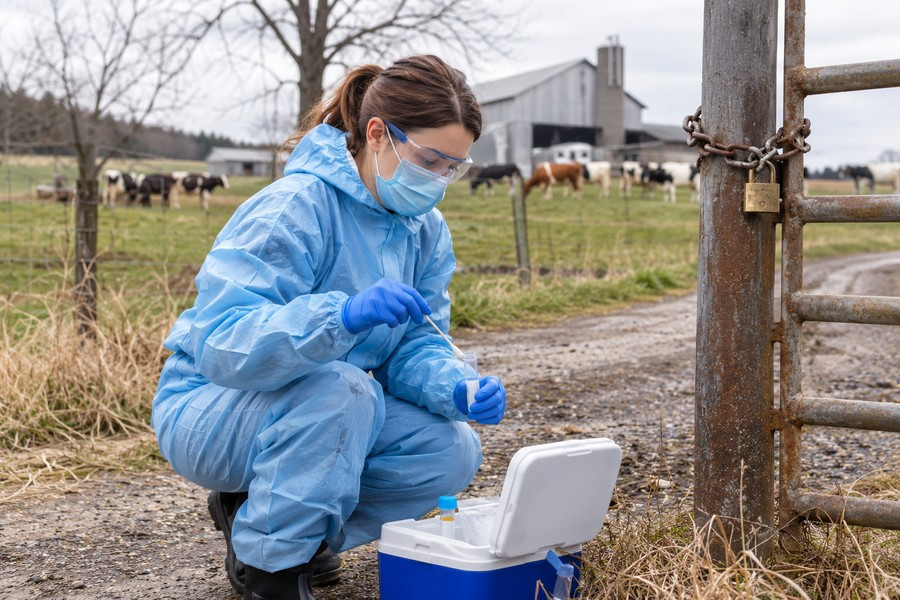
E. Coli Cases Under Investigation After Farm Visits
A group of illnesses linked to visits to a farm in San Luis Obispo County is still being investigated. Health officials suspect exposure at Brookshire Farms may be connected to infections caused by Shiga toxin-producing E. coli, also called STEC.
The investigation includes five confirmed cases of E. coli O157 and eight more cases involving people with symptoms that may be caused by STEC. All had visited the farm during the possible exposure period. Three people developed a serious complication called hemolytic uremic syndrome, or HUS. Another person was hospitalized and later released.
Brookshire Farms remains closed as a precaution. The farm is cooperating with the investigation, and the source of the infections has not yet been found.
Symptoms to Watch For
STEC can cause severe stomach cramps, diarrhea that may contain blood, vomiting and sometimes a fever. Symptoms often begin three to five days after exposure, but they can take as long as 10 days to appear. Children younger than 10 have a higher risk of serious complications.
People who visited the farm during the possible exposure period and develop these symptoms should contact a health care provider right away and mention the visit. Anyone with severe symptoms, especially bloody diarrhea or signs of dehydration, should seek medical care promptly.
People who visited the farm but feel well do not need to take any special action. They should watch for symptoms and get medical advice if any develop.
How the Germ Can Spread
STEC infection happens when someone swallows the bacteria. This can occur through contaminated food or water, or when germs on a person’s hands reach their mouth. The bacteria may also spread through contact with infected animals, places where animals live, or contaminated surfaces. It can pass from one person to another when people do not wash their hands well.
Someone may come into contact with the bacteria without knowing it. Washing hands carefully with soap and water can help lower the risk. Wash after touching animals, animal areas, produce or surfaces that may be contaminated. Wash before eating or preparing food, too.
Handle Pumpkins With Care
A few simple steps can help families reduce the spread of germs while handling pumpkins:
- Wash the pumpkin: Scrub off dirt and debris before handling it. Clean and disinfect surfaces the pumpkin touched.
- Be careful with carved pumpkins: Avoid handling them again after carving. Clean the surfaces they touched before throwing them away in a green waste bin.
- Wash your hands: Use soap and water after handling a pumpkin.
Stay Alert During Halloween
Families can enjoy Halloween while taking practical steps to protect their health. Parents and caregivers should keep an eye on children while trick-or-treating. Use sidewalks and crosswalks when available, and watch for traffic.
Health officials cannot share more details about people affected by the outbreak because of patient privacy. The investigation is continuing, and the source of the infections remains unknown.