
Immigration Policy Changes Impact Elderly Immigrants' Health Coverage
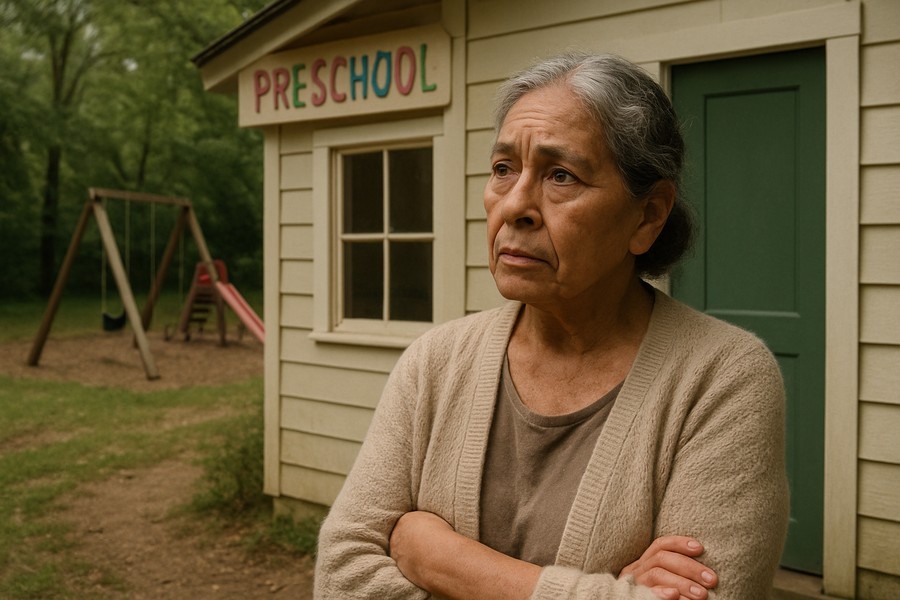
Rosa María Carranza, a 67-year-old immigrant from El Salvador, has dedicated her life to nurturing children in an outdoor preschool she helped establish. However, her ability to access medical care is threatened due to recent changes in immigration policy.
Carranza's Journey
Having spent much of her life in the lush landscapes of El Salvador, Carranza feels most at home in nature. This affinity for the outdoors led her to co-found a nature-based preschool where she has worked for over 30 years. Despite moving to part-time work, she believed that her financial future was secure because of her contributions towards Medicare and Social Security.
Over an employment period of 24 years, Carranza has paid sizeable sums into both Medicare and Social Security. However, new legislation means that she, along with approximately 100,000 other legally residing immigrants, will lose their Medicare coverage.
New Legislation Affects Immigrant Healthcare
A bill signed into law last year prevents certain categories of immigrants from accessing Medicare. This includes those with temporary protected status, refugees, asylum-seekers, survivors of domestic abuse, trafficking victims, and people with work visas. This means that even those currently enrolled in the program, like Carranza, will be forced out.
This policy is part of an effort to reduce Medicare spending, based on the argument that public funds should not be used to cover the healthcare costs of unauthorized immigrants. However, the affected individuals are all legally residing in the US. Those without documentation were already excluded from Medicare and most other federally funded benefits.
Carranza now faces the additional concern of potentially losing her legal status to live in the US, which would risk detention or deportation.
The Impact of Policy Changes
Since her diagnosis with high blood pressure, Carranza has realized the importance of her medical coverage. After a recent incident where she tripped and fell, she was told by a doctor that she has arthritis. These health issues, coupled with the looming loss of her Medicare coverage, have caused her significant stress and anxiety.
Healthcare professionals are concerned that patients like Carranza will delay seeking necessary care due to lack of coverage, leading to an increase in severely ill patients, particularly in emergency rooms. Older adults are more prone to sudden illnesses and conditions like heart disease and high blood pressure. Delayed care could exacerbate these conditions, leading to poorer health outcomes.
State and Federal Response
While some states, such as California, offer state-sponsored insurance, recent budget constraints have led to enrollment freezes for adults. This leaves many immigrant seniors like Carranza with limited healthcare options. Although some advocates are pushing for state intervention, fiscal pressures make this a challenging proposition.
At the federal level, efforts to exclude certain legal immigrants from Medicaid and other social support services have been ongoing. These policies could result in approximately 1.4 million legally residing immigrants losing their health insurance.
Future Uncertainties
These policy changes have left Carranza and many others in a state of uncertainty. The threat of losing both her health insurance coverage and her legal status has taken a toll on Carranza's mental health. As she grapples with these challenges, she is considering seeking mental health services to manage her anxiety and insomnia.
Despite these difficulties, Carranza remains hopeful for a resolution that will allow her to continue living and working in the US, where she has spent half her life. However, the fear of indefinite detention or deportation looms large in her thoughts, adding another layer of anxiety to an already stressful situation.
