
The Peril of Rice's Whale: A Rare Species Threatened by Increased Drilling
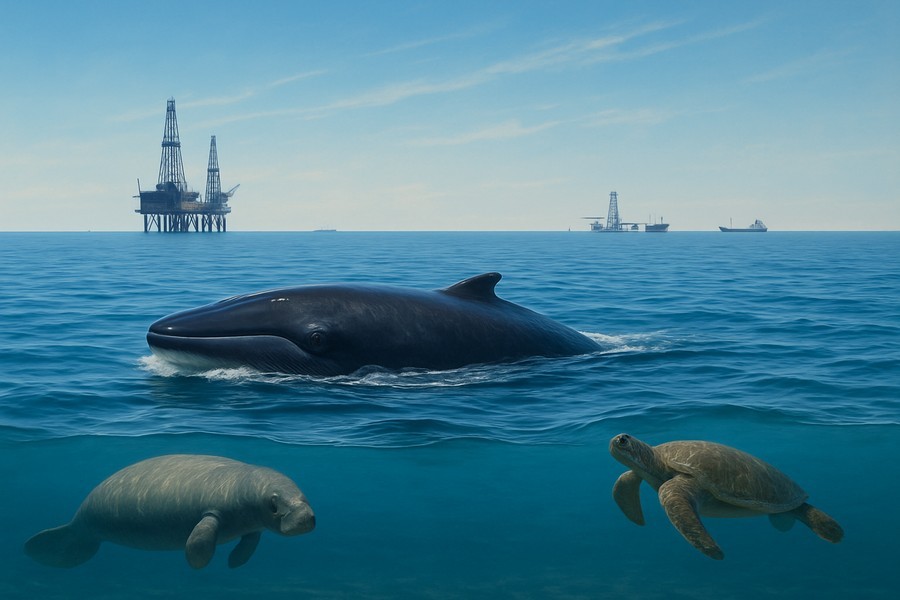
In the Gulf of Mexico, Rice's whales, one of the world's most endangered species, face potential extinction due to a proposed expansion in oil and gas drilling. These majestic creatures spend their entire lives in the Gulf, where they are susceptible to multiple threats such as vessel collisions, noise pollution, oil spills, and climate change. An increase in drilling activities could amplify these threats, endangering not just the whales, but also other marine species like manatees and sea turtles.
Energy Demands Versus Environmental Safety
With escalating tensions in the Middle East driving up energy prices, national security concerns are being cited to seek exceptions from laws protecting endangered species. This would permit harm or killing of protected species, which is currently illegal. The Interior Department is considering this request in a meeting of the Endangered Species Committee, also known as the "God Squad." This committee has the power to approve federal projects even if they may lead to the extinction of a species.
The Unique Life of Rice's Whale
Rice's whale is the sole whale species residing year-round in the Gulf of Mexico. Their population is alarmingly low, with estimates suggesting fewer than 100, possibly even less than 50, are left. These whales inhabit a specific region in the northeastern part of the Gulf, diving deep into the water to feed on fatty fish and resting near the surface at night. Their specific dietary needs and living habits make them particularly susceptible to changes in the Gulf's ecosystem, such as increased drilling, as well as potential vessel collisions.
The Impact of Oil and Gas Drilling
Increased drilling activities can adversely affect the whales in numerous ways. Noise from drilling could disrupt their feeding behavior. Global warming, linked to burning fossil fuels, could alter the habitats of their prey. The whales are also vulnerable to pollution. A significant portion of their already dwindling population is believed to have been wiped out by the 2010 oil spill in the Gulf.
Their survival is further complicated by their restricted habitat, specialized diet, and human activities. Even if fossil fuel use was halted today, the effects of climate change are already set to persist. The proposed increase in drilling activities only compounds the immediate and long-term risks to these whales.
The Domino Effect on Other Species
While Rice's whales are specifically highlighted, other threatened and endangered species could also be harmed by the increased drilling. The ocean ecosystem is interconnected, so any changes in one area can have repercussions throughout the waters. For instance, many sea turtles, including endangered Kemp’s Ridley and loggerheads, are rescued each year and released into the Atlantic Ocean. These turtles then swim to their nesting grounds in the Gulf, placing them at risk from potential oil spills.
This proposal could have wide-ranging consequences, affecting not just sea turtles, manatees, and Rice's whales, but also other marine species and corals in the Gulf of Mexico.
The Role of the 'God Squad'
The 'God Squad' was established in 1978. It allows for projects to be exempted from Endangered Species Act protections if a cost-benefit analysis concludes the project is necessary for national or regional economic benefits. The committee consists of seven members, led by the Secretary of the Interior. Five votes are required for an exemption.
The committee has only granted exemptions twice. However, there are concerns that the current administration seeks to reduce scrutiny of future exemptions, potentially invoking them more frequently. If exemptions are granted for drilling in the Gulf, it raises the question of what other regions and species could be next.