
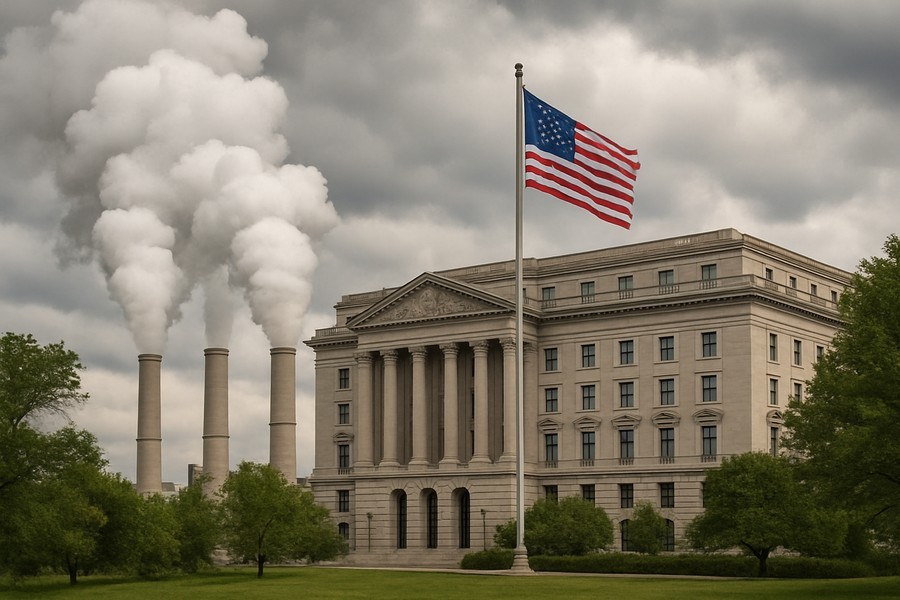
Major Policy Shift on Greenhouse Gases and Public Health
A significant change is coming to how the U.S. manages greenhouse gas emissions. The national body responsible for overseeing environmental concerns is planning to roll back a key decision made over a decade ago. This decision, known as the "endangerment finding," identified greenhouse gases like carbon dioxide and methane as harmful to our planet and public health.
This shift in policy is being hailed as the largest deregulation action in U.S. history. It's expected to save the country a whopping $1.3 trillion in regulatory costs.
What the Endangerment Finding Means
The endangerment finding is a crucial element under the Clean Air Act. It sets the standards for vehicle emissions and obligates fossil fuel companies to disclose their emissions. The goal of this decision was to combat the rising temperatures on Earth caused by these greenhouse gases.
However, this groundbreaking change could disrupt many U.S. efforts aimed at reducing climate pollution. Environmental groups have been gearing up to challenge this repeal in court.
Details on the Repeal
Exact details about the repeal are still under wraps. A draft version released earlier proposed to remove all greenhouse gas emissions standards for motor vehicles. This suggests that the final draft may also include a rollback of vehicle emission standards.
Furthermore, other climate regulations could be overturned. The head of the environmental body proposed a rule to repeal carbon dioxide standards for power plants and stated that other policies dependent on the endangerment finding would be reconsidered. These include regulations on methane, a particularly potent greenhouse gas.
Reactions from Different Sectors
Environmentalists and climate advocates are not happy with this move. They see it as a major blow to federal efforts to tackle climate change. These advocates point to the increasing frequency of man-made disasters, from floods to wildfires to heatwaves, as proof of the urgent need to address climate change.
On the other hand, supporters of the change argue that the original endangerment finding was scientifically flawed and politically motivated. They believe it overstated the risk of heatwaves and potential warming while underestimating the benefits of carbon pollution, such as increased plant growth.
Justifications for the Repeal
The environmental body argues that the endangerment finding was based on an unreasonable analysis of scientific data. They also point to court decisions that have already limited their power to regulate greenhouse gases.
Many of their arguments rely on a controversial report commissioned by the Secretary of Energy. This report controversially described increased carbon dioxide in the atmosphere as beneficial for the planet. Critics say it presented inaccurate and cherry-picked information and failed to acknowledge the increasing speed and impact of climate change.
The Road Ahead
This major policy shift is likely to ignite a fierce court battle. Despite last year being one of the warmest in modern history, the current administration has been aggressively rolling back environmental regulations. This latest move is seen as another step in that direction.
Ultimately, the fate of this change lies in the outcome of the legal challenges it will inevitably face. The nation's ability to tackle climate change and protect public health hangs in the balance.