
How Inflammatory Bowel Condition Memory Fuels Tumor Growth
Discoveries in the field of biology have shed light on a connection between a condition known as colitis and tumor development. Colitis is an inflammation of the colon that can have long-lasting effects, even when the immediate symptoms have subsided. This lingering memory of inflammation can stimulate the growth of tumors.
The Role of Lab Mice in Inflammation Research
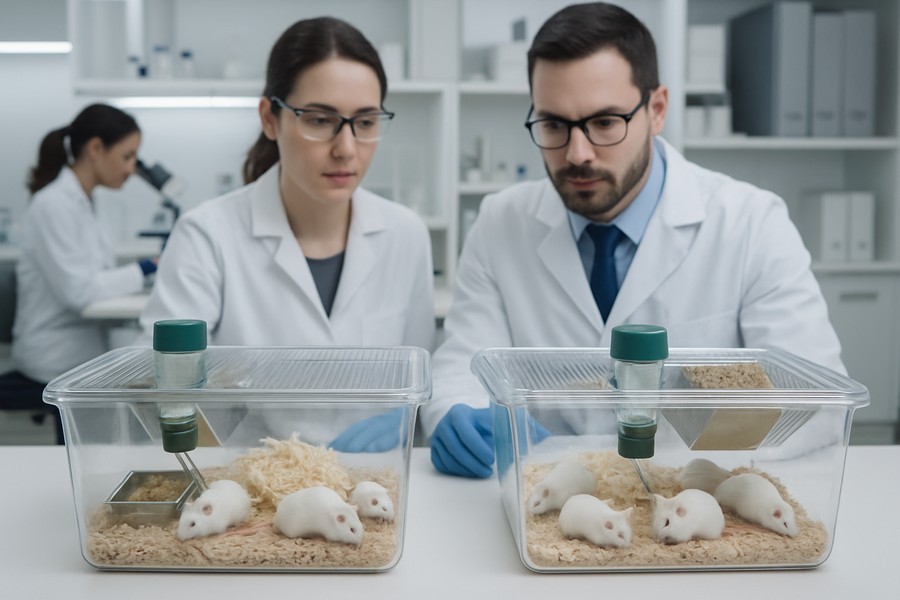
Studies have been conducted using specific strains of mice in highly controlled environments. These mice were kept in conditions that mimicked natural living conditions as closely as possible, including access to food and water. They were kept in a light-dark cycle that resembled day and night, housed in small groups and given materials for nesting. Their health was closely monitored, and any signs of distress or serious weight loss triggered humane euthanasia procedures.
Cell Cultivation Basics
Cells from human kidneys were grown under specific conditions. They were kept at a constant temperature and exposed to a particular mix of gases in order to maintain their healthy growth. The cells were also monitored to prevent them from becoming too dense or overgrown.
The cultivation of cells from the colon of mice was a more complex process. Tissue was taken from the colon and treated to remove immune cells, then the cells were separated and cultivated. The health and growth of these cells were monitored over the course of several days.
The Human Connection
Human cells were also used in these studies. These cells were obtained from patients who gave their consent for their tissue to be used in research. The cells were treated and cultivated in a similar way to the mouse cells. The cells were then grown and split into smaller groups for further study.
Experimentation and Results
In order to induce colitis in the mice, they were given a substance in their drinking water that causes inflammation of the colon. Their health was monitored closely during this period. They were weighed regularly, and their stool was tested for blood to confirm the induction of colitis.
After the mice had developed colitis, the tissue from their colons was processed for further study. The cells were separated and sorted into different groups depending on their properties. These cells were then frozen for future study.
Analysis of the tissue from the mice showed that the inflammation from colitis did indeed have long-lasting effects. Even after the immediate symptoms of colitis had disappeared, the cells retained a memory of the inflammation. This memory could then stimulate the growth of tumors.
Further studies were conducted to confirm these results. Cells were treated to suppress a particular group of proteins that are activated by inflammation. The cells were then observed to see how they responded. The results showed that suppressing the proteins did indeed reduce the memory of inflammation in the cells.
Conclusion
This research has provided important insights into the link between inflammation and tumor growth. The memory of inflammation in cells can have long-lasting effects, potentially stimulating the growth of tumors long after the inflammation has subsided. This discovery could have significant implications for the treatment of conditions such as colitis, and for our understanding of how tumors develop.