
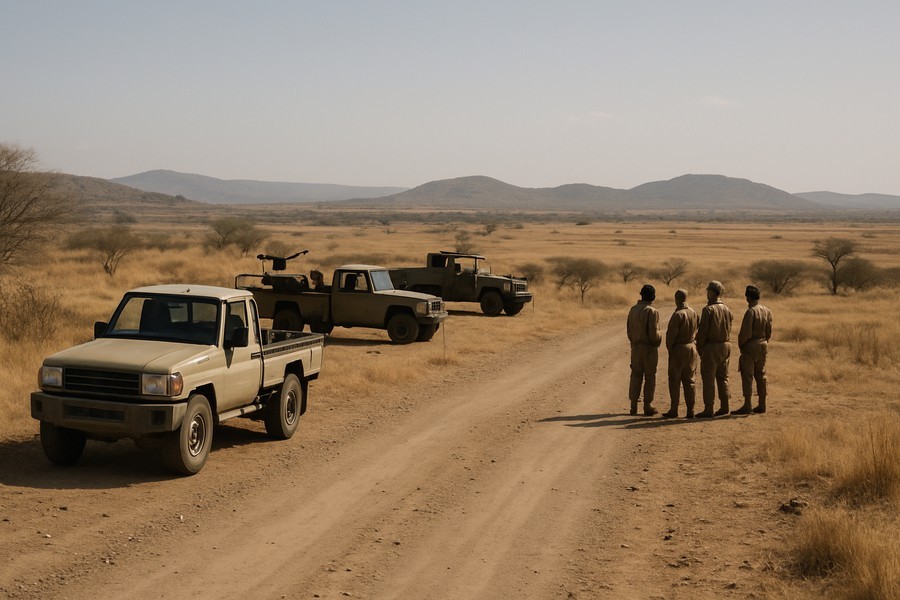
Eritrea Faces Accusations from Ethiopia Over Border Conflict
Eritrea stands accused of inciting conflict by infiltrating Ethiopia's borders. Furthermore, Eritrea is said to have supplied arms and carried out military exercises with Ethiopian rebels in the northern part of the country. Eritrea, however, has dismissed these accusations, stating that they are simply a continuation of ongoing hostile campaigns against it for over two years.
A History of Strained Relations
Relations between Ethiopia and Eritrea have always been fraught, stretching back three decades when Eritrea seceded from Ethiopia. The fear of a resurgence of conflict remains prevalent. The two nations engaged in a bloody border war from 1998 to 2000, resulting in the death of more than 100,000 people. Despite a peace agreement being reached, it was never fully actualized, and relations only began to improve after a visit to Asmara, Eritrea's capital, by Ethiopia's Prime Minister Abiy Ahmed in 2018. He later received the Nobel Peace Prize for his peace-making efforts.
Recent Developments Strain Relations
However, the relationship between the two nations has once again become tense. Eritrea previously allied itself with Ethiopia in its recent civil war, providing support to the Ethiopian army against the Tigrayan forces. However, Ethiopia's foreign minister, Gedion Timothewos, has expressed concerns about Eritrea's recent actions. In a letter, he claimed that Eritrea has decided to further escalate the situation. He cited examples of Eritrean troops penetrating deeper into Ethiopia's north-eastern borders and their joint military exercises with rebel groups along the north-western borders as not just provocations, but outright aggression.
Landlocked Ethiopia's Quest for Sea Access
One of the contentious issues between the two nations is Ethiopia's demand for access to the sea, a topic that Prime Minister Abiy has described as a matter of survival for his landlocked nation. Abiy has previously expressed regret about Eritrea's independence resulting in Ethiopia losing its port. Ethiopia's foreign minister has suggested that if Eritrea withdraws its troops, the two nations could initiate discussions about various issues, including Ethiopia gaining access to the sea via the port of Assab.
Eritrea's Response to the Accusations
Eritrea's information ministry has dismissed Ethiopia's allegations as false and fabricated. They expressed shock at the tone, substance, underlying motivation, and overarching objective of the accusations. The Eritrean government has emphasized its lack of interest in engaging in pointless disputes that would only exacerbate the current situation.
Tensions Rise as Ethiopia Reveals Atrocities
The already strained relationship between the two countries took another hit recently when Prime Minister Abiy revealed for the first time that Eritrean troops had committed mass killings in the Ethiopian city of Aksum during the 2020-2022 civil war in Tigray. These are allegations that Eritrea had previously denied. Now, Ethiopia is accusing Eritrea of supporting rebels in Tigray who oppose the peace deal that ended the civil war.