
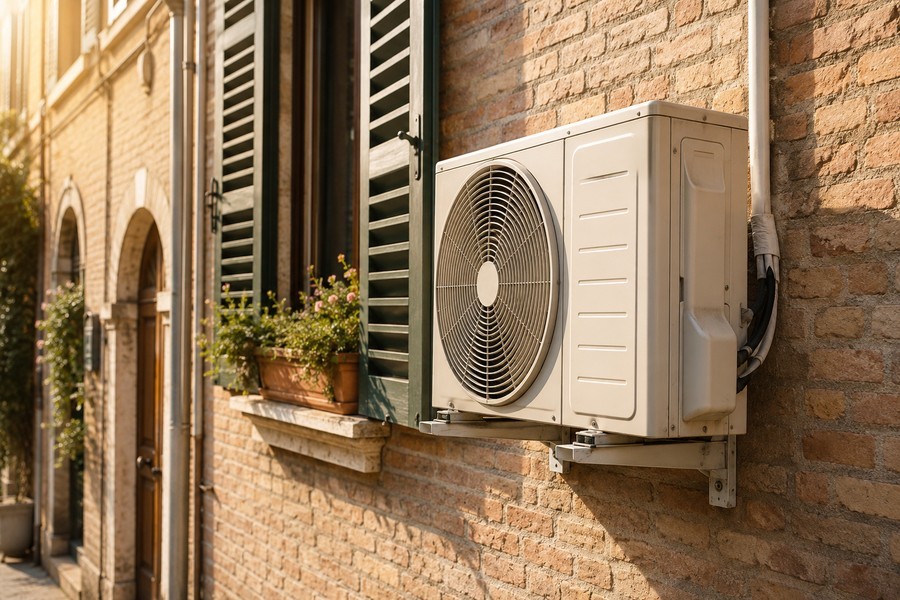
Beat the Heat: Why Europe Is Finally Embracing Air Conditioning
For a long time, people living in Europe looked at air conditioning very differently than people in the United States. To many Europeans, cooling units were seen as an unnecessary luxury. They were things you might find in a modern hotel or a large shopping mall, but certainly not in a typical home. Meanwhile, visitors from North America often wondered how locals could tolerate sweating through hot summer days with only a basic fan.
That long-standing attitude is starting to change. As summer temperatures climb to record-breaking levels, more and more households across the European continent are choosing to install cooling systems to stay comfortable and safe.
A Personal Decision to Fight the Heat
Many homeowners who once resisted the idea of home cooling are now changing their minds. For example, a 39-year-old writer living in Essex, England, spent years relying on open windows and multiple electric fans to get through the summer. However, as the hot spells became longer and more intense, he decided to buy a portable cooling unit in early spring for about $782 to beat the summer rush.
He explained that during severe heat waves, standard fans simply stop working because they just push hot air around the room. After experiencing the relief of a dedicated cooling unit, he called the purchase a very easy decision. He noted that buying the unit was an investment in his health, sleep, and overall well-being, especially when hot nights make it nearly impossible to rest.
A Huge Surge in Sales
This individual is part of a much larger trend. Appliance companies are seeing a massive increase in demand for cooling systems across several European countries. Consider these key points about the growing market:
- Double-digit sales growth was recorded in major European markets, including France, Spain, and Italy, during the first half of the year.
- One major appliance manufacturer reported that shipments to Spain and France more than doubled compared to the previous year, while online sales in Germany rose by over a third.
- Some popular portable cooling units sold out completely after early summer heat waves sent people searching for immediate relief.
- To keep up with the global demand, at least one major manufacturing plant had to run at full capacity starting in the spring.
Industry experts agree that this is not a temporary phase. Data shows that the number of cooling units in the region has grown from fewer than 7 million units three decades ago to around 57 million units recently. Experts predict that this number could easily pass 100 million units by the end of the decade.
The Dangerous Reality of Extreme Weather
The main driver behind this shift is simple: the weather is getting hotter and more dangerous. Western Europe recently experienced its warmest June on record, with temperatures soaring past 100 degrees Fahrenheit in several areas. These extreme temperatures are more than just uncomfortable; they are a serious threat to public health.
Health analysts monitor the impact of extreme weather closely. During a single two-week period in early summer, estimated excess deaths across the continent rose from around 33,000 to more than 45,000. In England and Wales alone, a brief heat wave in early summer was linked to more than 2,100 heat-related deaths, making it one of the deadliest hot spells in recent history.
Understanding the Cultural Shift
There are several reasons why European homes have historically lacked cooling systems. Many houses and apartment buildings are very old, making installation difficult and expensive. Additionally, electricity costs are high, and renters often need special permission from landlords to make structural changes. Culturally, many people believed that hot weather lasted for such a short time that cooling systems were not worth the cost.
Currently, only about one in five households in Europe has some form of air conditioning. In contrast, about nine in ten homes in the United States use cooling systems. This difference becomes very clear to travelers who experience both lifestyles.
The English writer noticed this contrast during a spring trip to visit his girlfriend in Arkansas. He observed that in the United States, daily life is designed around climate control. People step out of their air-conditioned homes into cooled cars, and then walk into cooled workplaces or shops. Returning home to Europe, where the heat was inescapable from the airport to his front door, helped him understand why the American approach makes sense.
While experts do not expect European homes to match American levels of air conditioning anytime soon, they agree that a major turning point has arrived. For many people, keeping cool has officially shifted from being a luxury to a basic necessity.