
An Upcoming Lunar Collision Could Create a Rare Show for Telescope Owners
A discarded piece of space hardware is on a collision course with the moon. If you have a powerful telescope and clear skies, you might get a rare chance to watch the aftermath of this high-speed crash. A spent rocket stage is expected to slam into the sunlit side of the moon at a speed of more than 5,400 miles per hour.
If the event happens as computer models suggest, the impact will throw up a massive cloud of dust and debris. This plume might be bright enough to spot from Earth with the right viewing equipment. Observing a crash like this on the illuminated part of the moon has never been recorded before, making it an exciting opportunity for astronomers and skywatchers alike.
What Happens When a Hollow Rocket Hits the Moon?
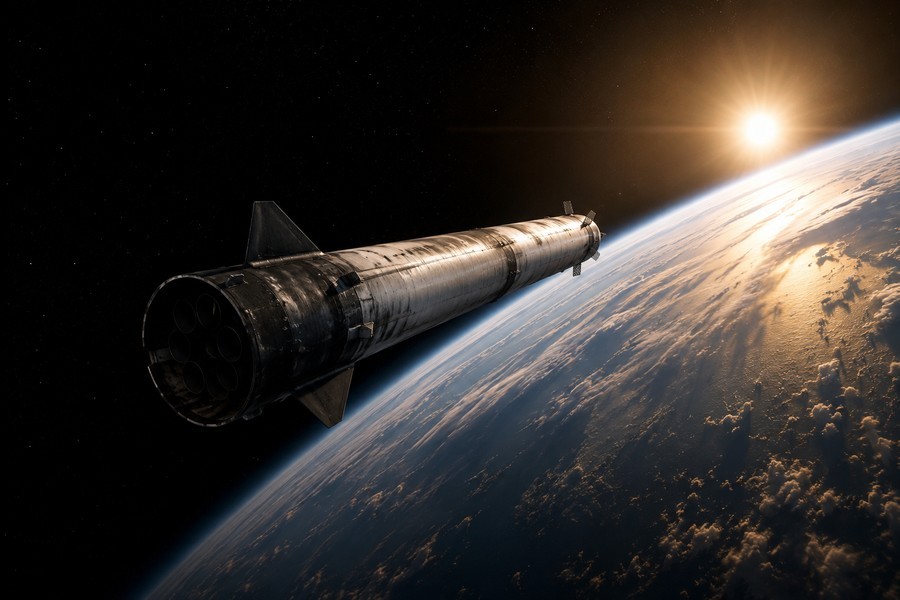
Most objects that hit the moon are solid space rocks. However, this incoming object is a hollow metal tube weighing about 3,900 kilograms (around 8,600 pounds). Because the fuel has been used up, the rocket stage is like an empty eggshell with a heavy, dense engine attached to one end.
Scientists ran simulations to understand how this unique shape will behave upon impact. Instead of digging a deep hole like a solid cannonball, the hollow metal tube is expected to collapse inward. This collapse will push a massive amount of lunar soil outward and upward. The crash is projected to displace about 12,700 kilograms of lunar dust.
According to the computer models, the impact will create two distinct features:
- A wide dust curtain: A low, broad wall of debris that could spread out as wide as 183 kilometers (113 miles).
- A vertical spike: A thin stream of dust shooting almost straight up into space.
These predictions represent a best-case scenario where the rocket hits the surface perfectly straight. In reality, the booster is likely to strike at an angle, which could result in a smaller, dimmer dust cloud.
Tips for Spotting the Dust Plume
Seeing the debris cloud from Earth will not be easy, but astronomers believe it is possible. The dust plume could rise up to 50 kilometers (31 miles) above the moon's edge. At that height, the cloud will be large enough to be resolved by a relatively small telescope. However, observers will face a few major challenges:
- The glare of the moon: The dust cloud will be 30 to 300 times fainter than the bright lunar surface right next to it. The bright moonlight can easily wash out the faint glow of the dust.
- Atmospheric interference: Viewers in the northern parts of North America will have a harder time seeing the event because the moon will be low in the sky. This means looking through a thick, turbulent layer of Earth's atmosphere, which blurs the image.
- The best viewing location: The best chance to witness this event will be in the southeastern region of the United States, where the moon will be positioned better in the night sky.
Timing will also be critical. The dust cloud is expected to reach its maximum size about 90 seconds after the crash. This gives observers a brief but reasonable window of time to catch a glimpse of the dust before it settles back down.
Why Scientists Are Eager to Watch
While amateur astronomers are excited to witness a piece of history, researchers have practical reasons for studying the crash. In the past, space agencies have intentionally crashed probes into the moon to study what lies beneath the surface. Some of these past crashes successfully kicked up ice water, proving that water exists in the dark craters of the moon.
This upcoming crash is accidental, but it offers a similar learning opportunity. As different nations and private groups plan to build permanent bases on the moon, space traffic is increasing. More missions mean more discarded rocket parts left in orbit, which will eventually crash onto the surface.
Understanding these impacts is vital for the safety of future astronauts. When objects hit the moon, they kick up highly abrasive dust particles that travel at speeds of 300 to 400 meters per second. Lunar dust is incredibly sharp and can damage spacesuits, solar panels, and scientific equipment. Studying this collision will help engineers design better dust-control systems and safer habitats for the next generation of space explorers.