
New Debates Arise Over the Future of Popular Wellness Compounds
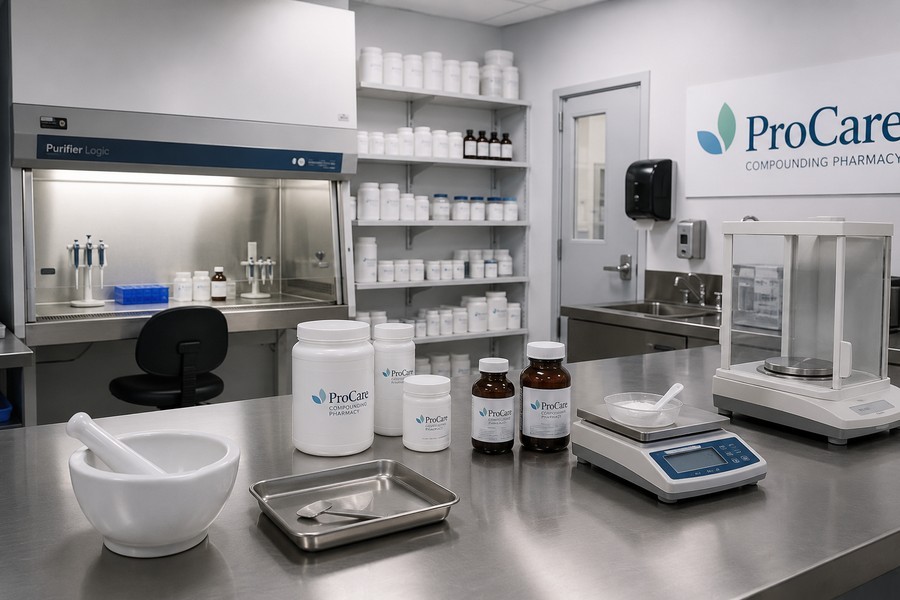
A government advisory panel is holding a two-day meeting to discuss the future of several highly sought-after health compounds. The main goal of this meeting is to decide whether specialized pharmacies should be allowed to make and sell these experimental treatments, known as peptides. This decision could change how everyday people access these popular substances.
Understanding Peptides and Why They Are Popular
To understand the debate, it helps to know what these substances actually are. Peptides are short chains of amino acids, which are the building blocks of proteins. They are smaller than full proteins and act as messengers inside the body, telling cells how to behave and perform important tasks.
Some of these substances exist naturally in our bodies. For example, insulin is a well-known natural peptide. Other versions are created or modified in labs to help treat specific health conditions, such as the widely popular new weight-loss medications. The compounds being discussed at the meeting include:
- BPC-157: A compound based on a peptide naturally found in human stomach juices.
- TB-500: A substance linked to a molecule found in many different types of cells, which helps with healing.
- MOTS-c: A compound that is highly discussed for its potential effects on energy and metabolism.
In recent years, these substances have gained a massive following in the health and wellness community. Supporters claim they can help with a wide variety of goals, including:
- Speeding up recovery from physical injuries
- Building muscle and burning fat
- Improving skin health and slowing down the signs of aging
- Boosting overall metabolism and energy levels
The Core of the Debate: Safety Versus Access
Despite their popularity, none of the seven compounds currently being reviewed have gone through the large-scale clinical trials usually required for standard drug approval. Because of this, government scientists argue that there is not enough proof to show these substances are safe and effective for humans.
In official reviews, government scientists pointed out that most of the existing research on these compounds has been done on animals, not people. Because human data is so limited, these scientists are recommending against allowing specialized pharmacies to make them.
On the other side of the debate, supporters of these compounds argue that strict rules have created a different kind of danger. They claim that because people cannot easily get these substances from trusted local pharmacies, a risky unregulated market has grown. Many people are now ordering these compounds from overseas suppliers, where quality and safety cannot be guaranteed.
A Clash of Ideas in Health Leadership
This meeting highlights a growing disagreement between different leaders in the health field. The top health secretary has publicly supported easing the rules on these compounds, sharing his belief in their potential benefits. This viewpoint clashes with the more cautious approach of traditional scientific and medical experts who want to wait for more rigorous human testing.
The advisory committee itself has also seen recent changes. Some members of the panel have professional connections to the industry that makes these compounds. To balance the panel, government officials recently added several temporary voting members who are experts from academic institutions.
What Is on the Agenda?
The advisory panel is reviewing the evidence for seven specific compounds over the course of two days. The schedule for the discussions and votes is divided into two parts.
On the first day, the panel is focusing on four compounds:
- BPC-157
- KPV
- TB-500
- MOTS-c
On the second day, the discussion will shift to three other substances:
- Emideltide
- Epitalon
- Semax
The panel is looking at how these substances might help with specific medical issues. These conditions include severe headaches, painful digestive diseases, recovery from drug addiction, and the healing of physical wounds.
The Path Forward for Patients and Doctors
If the government agency eventually decides to ease the rules on these compounds, it could have a major impact on healthcare. Even though the panel is looking at very specific medical uses, doctors have the freedom to prescribe approved substances for other reasons. This means that if these compounds are cleared for pharmacies to make, doctors could write prescriptions for wellness, muscle building, or injury recovery as well.
It is important to note that the advisory panel does not make the final decision. The members will discuss each compound one by one and take votes to share their official recommendations. Ultimately, the top leaders of the government health agency will make the final choice on whether to allow specialized pharmacies to produce these treatments.