
Major Canadian Airline Faces Holiday Weekend Strike over Unpaid Ground Work
A major travel disruption has hit one of Canada's largest airlines as flight attendants have officially gone on strike. The labor walkout began during one of the busiest summer holiday weekends of the year, leaving thousands of travelers facing delays and canceled flights.
The main disagreement between the airline and its workers centers on how flight attendants are paid. Employees are demanding compensation for the time they spend working on the ground before the plane actually takes off. With the two sides unable to reach an agreement, the airline has already started canceling flights and parking its planes.
Understanding the "Ground Pay" Dispute
The core issue of this strike is a concept known in the aviation industry as ground pay. Currently, flight attendants are only paid for "block hours." This means their paid time starts when the airplane leaves the departure gate and ends when it plugs into the gate at the next destination. This is the standard payment system used by most airlines across North America.
However, the flight attendants' union argues that this system is unfair because it leaves workers unpaid for several crucial duties. According to the union, cabin crew members perform many hours of unpaid labor every month. These unpaid tasks include:
- Welcoming and boarding passengers onto the aircraft.
- Conducting mandatory pre-flight safety sweeps and security checks.
- Helping passengers find space for their luggage in the overhead bins.
- Waiting with passengers during unexpected ground delays on the tarmac.
The union states that flight attendants end up working up to 35 hours every month without pay due to these ground duties. They argue that all working hours should be paid, regardless of whether the aircraft is in the air or parked at the gate.
How the Strike Affects Holiday Travelers
The timing of the strike has caused maximum disruption, occurring over a major holiday weekend. The 72-hour strike notice expired early Sunday morning, officially starting the walkout. This came after an overwhelming 99% of union members voted in favor of a strike mandate last month.
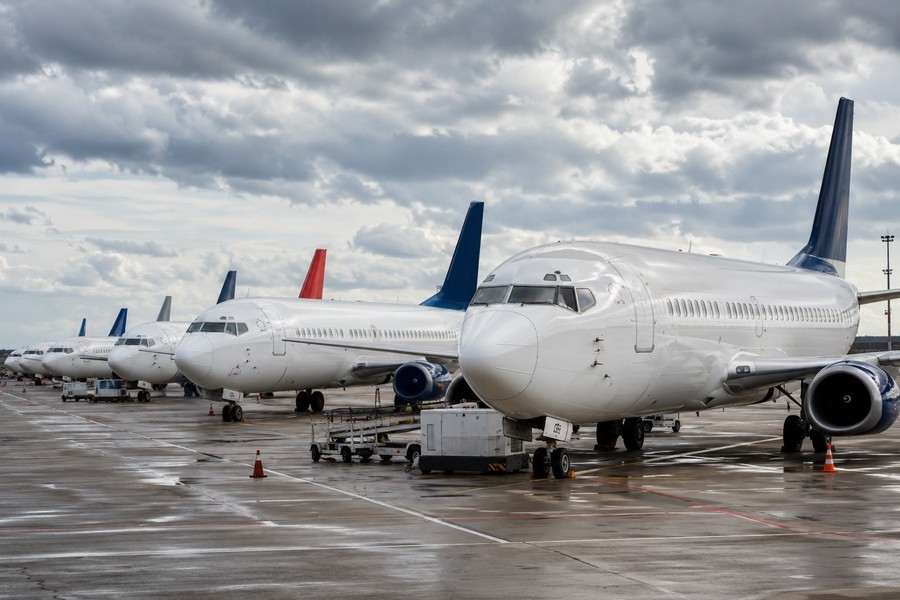
To prepare for the travel chaos, the airline began parking its aircraft on Friday. On Saturday alone, the carrier was forced to cancel 309 flights. Travelers are strongly urged to check their flight status online before making their way to the airport.
Fortunately, some flights will continue to operate normally. Passengers will not be affected if they are booked on:
- Regional flights operated on Q400 turboprop aircraft.
- Codeshare flights run by partner airlines.
Your Rights as a Passenger
If your flight has been canceled or delayed because of this labor dispute, you have specific protections under Canadian passenger rights laws. These regulations state that the airline must take care of its stranded passengers. Specifically, the airline is required to take the following steps:
First, the airline must try to re-book you on the next available flight within its own fleet. If they do not have an available seat on one of their own planes, they must look for an open seat with one of their partner airlines. If neither of those options is available within a reasonable timeframe, the law forces the airline to book you a ticket on a competing airline at no extra cost to you.
Additionally, the airline is offering free flight changes and cancellations for anyone scheduled to fly between Thursday and Tuesday. This allows worried passengers to adjust their vacation plans without paying heavy penalties.
The Standoff Between the Union and the Airline
The cabin crew union has been vocal about their frustrations, pointing out that their members have been working without a valid contract for 213 days. The union president, Alia Hussain, explained that the group worked hard to reach a fair deal and wanted to avoid ruining people's travel plans, but felt they had no other choice to get their message across.
On the other side, the Calgary-based airline, which flies to more than 130 domestic and international destinations, claims it is doing everything it can to resolve the situation. Company officials stated that they remain at the negotiation table and are committed to reaching a deal that respects the hard work and professionalism of their cabin crew. However, they continue to defend the current pay model as the industry standard across the continent.