
Content warning: This article discusses sexual, emotional, financial, and physical abuse.
Crystal Harris has publicly challenged an upcoming film centered on the Playboy Mansion after actress Jessica Biel was cast as the wife of Hugh Hefner. Harris, who was married to Hefner for several years before his death, sent Biel a private message asking her to think carefully about taking part in the project. Harris said her own experience in the relationship included abuse and control, and she urged the people making the film to listen to women who lived through life inside the mansion.
A Relationship Marked by a Major Age Difference
Harris first met Hefner when she was 21 and living at the Playboy Mansion. At the time, Hefner was 80 years old. Five years later, Harris was 26 when they married, while Hefner was 86. The couple stayed together until Hefner died in 2017.
For much of their relationship, Harris spoke positively about Hefner in public. Over time, however, she began describing the relationship in much more difficult terms. She said the truth about their life together was complicated and included experiences that she did not fully understand until she had gained distance from the marriage and the mansion.
Harris has since characterized the relationship as traumatic, emotionally abusive, and restrictive. She has also said that Hefner tried to control more than the couple’s sexual relationship. According to Harris, he placed pressure on her appearance and influenced how she presented herself physically.

Harris Describes Life Inside the Mansion

Harris began speaking more openly after other former residents and Playmates discussed their own experiences. One former Playmate said she had been afraid to leave the mansion because private sexual images might be shared as revenge. Harris responded by saying that she had destroyed thousands of nude photographs that Hefner had allegedly taken of women while they were heavily intoxicated.
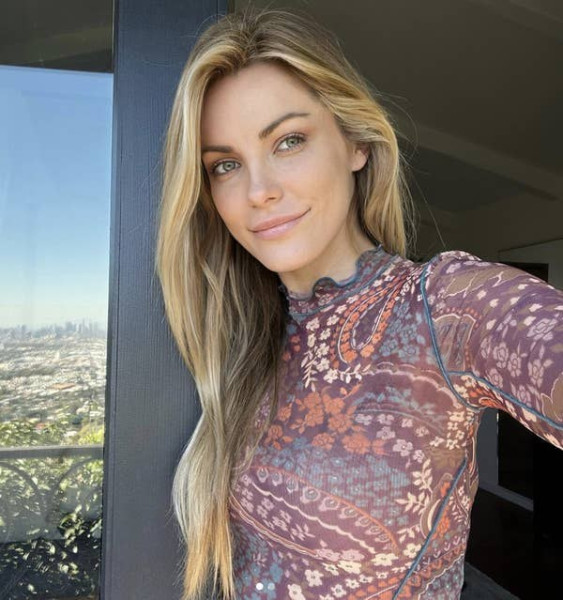
She later explained that the mansion had been both a place of safety and a place where she felt exploited. Harris said she was still working through what had happened to her but was prepared to discuss that process publicly. Her comments presented a view of the mansion that differed sharply from the glamorous image often associated with it.
Harris eventually explored these experiences in a memoir about surviving life with Hefner and rebuilding her identity afterward. In the book, she wrote about feeling controlled and described how the relationship affected her choices, her body, and her sense of independence. She also explained that it took time away from the relationship for her to recognize how harmful some of its patterns had been.
Concerns About the Upcoming Film
The controversy grew after an upcoming movie about the Playboy Mansion announced its main cast. The film, titled Playmates, is expected to feature Jessica Biel as Hefner’s wife. Actor Bill Pullman is set to play Hefner, while Lily-Rose Depp and Indiana Elle are scheduled to portray two young Playmates.
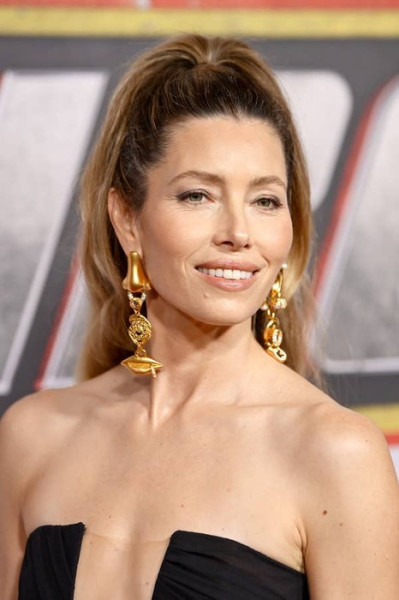
Reports have indicated that Biel’s character is fictional rather than a direct portrayal of Harris. Even so, Harris said the casting raised serious concerns because the film involves a world that shaped her life and caused her lasting harm. She reached out to Biel directly through a private message, asking the actor to reconsider the role if the project planned to present Hefner or the mansion in a romantic or nostalgic way.
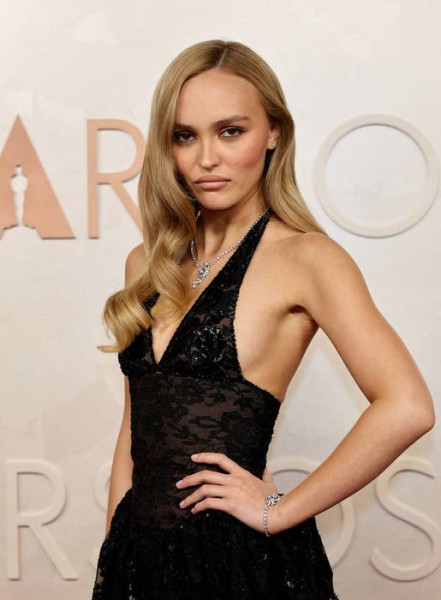
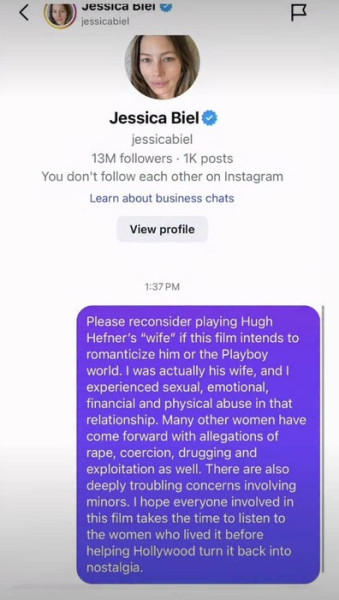
In the message, Harris identified herself as Hefner’s actual wife and said she had experienced sexual, emotional, financial, and physical abuse during the relationship. She also referred to allegations made by other women, including claims involving rape, coercion, drugging, and exploitation.
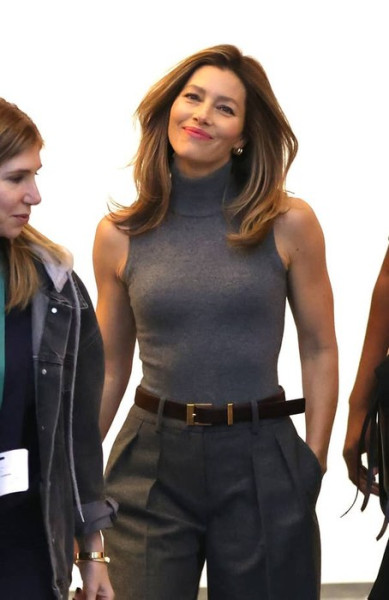
Harris further said that there were serious concerns involving minors connected to the broader world surrounding Hefner. She asked everyone involved in the film to take time to hear from the women who had lived through those experiences before helping create a polished or nostalgic version of the past.
Harris Responds to Public Criticism
The private message spread widely after it became public, and the reaction was mixed. Some people supported Harris’s decision to speak out, while others criticized her for contacting Biel and questioning the project. In response, Harris addressed what she described as the continued problem of blaming victims, especially people who have experienced narcissistic or emotional abuse.
Harris acknowledged that people who have never faced those dynamics may find them difficult to understand. She said that this lack of personal experience should not prevent people from listening to and supporting women who have endured abusive relationships. She emphasized that survivors may need time to recognize what happened and may describe their experiences differently as they heal.
She also explained that her larger goal was to support women, raise awareness of their stories, and encourage society to take their experiences seriously. Harris said she wanted to focus her energy on helping women have their voices heard rather than allowing their accounts to be dismissed or minimized.
What Harris Hopes the Film Will Show
Although Harris objected to any version of the movie that glorifies Hefner, she did not say that a film about the mansion could never have value. She expressed hope that the women at the center of the story would be given meaningful roles and that the project would avoid presenting the mansion as only glamorous, exciting, or liberating.
Harris said she hoped the film would ultimately communicate a message of empowerment. In her view, women should be shown as capable of finding fulfillment, independence, and a strong sense of identity outside the Playboy world. That approach would require the story to acknowledge the harm and power imbalances described by former residents and Playmates.
The discussion surrounding the film reflects a larger debate about how entertainment portrays famous people and controversial institutions. A glamorous setting can attract attention, but it can also hide the experiences of people who felt trapped, pressured, or exploited within that environment. Harris’s message asks the filmmakers and performers to consider whether the story will repeat an idealized image or examine the complicated reality described by the women involved.
Crystal Harris’s decision to contact Jessica Biel has placed renewed attention on the hidden costs of life inside the Playboy Mansion. Harris says her marriage to Hefner involved control and several forms of abuse, while other women have described additional allegations of coercion, drugging, exploitation, and sexual violence. As the film moves forward, Harris hopes the women’s experiences will be treated seriously and that the final story will focus on their humanity, independence, and ability to build lives beyond the world that once defined them.
Crystal Harris has publicly challenged an upcoming film centered on the Playboy Mansion after actress Jessica Biel was cast as the wife of Hugh Hefner. Harris, who was married to Hefner for several years before his death, sent Biel a private message asking her to think carefully about taking part in the project. Harris said her own experience in the relationship included abuse and control, and she urged the people making the film to listen to women who lived through life inside the mansion.
A Relationship Marked by a Major Age Difference
Harris first met Hefner when she was 21 and living at the Playboy Mansion. At the time, Hefner was 80 years old. Five years later, Harris was 26 when they married, while Hefner was 86. The couple stayed together until Hefner died in 2017.
For much of their relationship, Harris spoke positively about Hefner in public. Over time, however, she began describing the relationship in much more difficult terms. She said the truth about their life together was complicated and included experiences that she did not fully understand until she had gained distance from the marriage and the mansion.
Harris has since characterized the relationship as traumatic, emotionally abusive, and restrictive. She has also said that Hefner tried to control more than the couple’s sexual relationship. According to Harris, he placed pressure on her appearance and influenced how she presented herself physically.
Harris Describes Life Inside the Mansion
Harris began speaking more openly after other former residents and Playmates discussed their own experiences. One former Playmate said she had been afraid to leave the mansion because private sexual images might be shared as revenge. Harris responded by saying that she had destroyed thousands of nude photographs that Hefner had allegedly taken of women while they were heavily intoxicated.
She later explained that the mansion had been both a place of safety and a place where she felt exploited. Harris said she was still working through what had happened to her but was prepared to discuss that process publicly. Her comments presented a view of the mansion that differed sharply from the glamorous image often associated with it.
Harris eventually explored these experiences in a memoir about surviving life with Hefner and rebuilding her identity afterward. In the book, she wrote about feeling controlled and described how the relationship affected her choices, her body, and her sense of independence. She also explained that it took time away from the relationship for her to recognize how harmful some of its patterns had been.
Concerns About the Upcoming Film
The controversy grew after an upcoming movie about the Playboy Mansion announced its main cast. The film, titled Playmates, is expected to feature Jessica Biel as Hefner’s wife. Actor Bill Pullman is set to play Hefner, while Lily-Rose Depp and Indiana Elle are scheduled to portray two young Playmates.
Reports have indicated that Biel’s character is fictional rather than a direct portrayal of Harris. Even so, Harris said the casting raised serious concerns because the film involves a world that shaped her life and caused her lasting harm. She reached out to Biel directly through a private message, asking the actor to reconsider the role if the project planned to present Hefner or the mansion in a romantic or nostalgic way.
In the message, Harris identified herself as Hefner’s actual wife and said she had experienced sexual, emotional, financial, and physical abuse during the relationship. She also referred to allegations made by other women, including claims involving rape, coercion, drugging, and exploitation.
Harris further said that there were serious concerns involving minors connected to the broader world surrounding Hefner. She asked everyone involved in the film to take time to hear from the women who had lived through those experiences before helping create a polished or nostalgic version of the past.
Harris Responds to Public Criticism
The private message spread widely after it became public, and the reaction was mixed. Some people supported Harris’s decision to speak out, while others criticized her for contacting Biel and questioning the project. In response, Harris addressed what she described as the continued problem of blaming victims, especially people who have experienced narcissistic or emotional abuse.
Harris acknowledged that people who have never faced those dynamics may find them difficult to understand. She said that this lack of personal experience should not prevent people from listening to and supporting women who have endured abusive relationships. She emphasized that survivors may need time to recognize what happened and may describe their experiences differently as they heal.
She also explained that her larger goal was to support women, raise awareness of their stories, and encourage society to take their experiences seriously. Harris said she wanted to focus her energy on helping women have their voices heard rather than allowing their accounts to be dismissed or minimized.
What Harris Hopes the Film Will Show
Although Harris objected to any version of the movie that glorifies Hefner, she did not say that a film about the mansion could never have value. She expressed hope that the women at the center of the story would be given meaningful roles and that the project would avoid presenting the mansion as only glamorous, exciting, or liberating.
Harris said she hoped the film would ultimately communicate a message of empowerment. In her view, women should be shown as capable of finding fulfillment, independence, and a strong sense of identity outside the Playboy world. That approach would require the story to acknowledge the harm and power imbalances described by former residents and Playmates.
The discussion surrounding the film reflects a larger debate about how entertainment portrays famous people and controversial institutions. A glamorous setting can attract attention, but it can also hide the experiences of people who felt trapped, pressured, or exploited within that environment. Harris’s message asks the filmmakers and performers to consider whether the story will repeat an idealized image or examine the complicated reality described by the women involved.
Crystal Harris’s decision to contact Jessica Biel has placed renewed attention on the hidden costs of life inside the Playboy Mansion. Harris says her marriage to Hefner involved control and several forms of abuse, while other women have described additional allegations of coercion, drugging, exploitation, and sexual violence. As the film moves forward, Harris hopes the women’s experiences will be treated seriously and that the final story will focus on their humanity, independence, and ability to build lives beyond the world that once defined them.