
How Free Mailing Addresses Could Help People Overcome Homelessness
For many people without stable housing, getting mail can be a major challenge. Without a reliable mailing address, it may be difficult to receive important documents, apply for work, get medicine, or collect money owed to them.
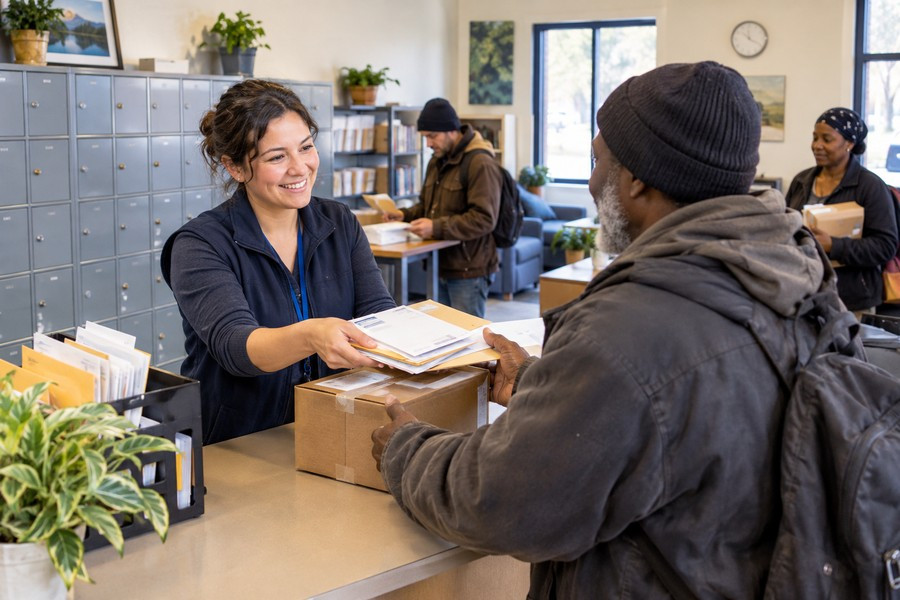
One nonprofit service in Washington, D.C., is working to solve that problem. The program collects, sorts, and holds mail for people who are homeless or living in unstable housing. DeJane Caldwell helps manage the mail and gives it to people when they arrive.
A Daily Need for Hundreds of People
About 100 people visit the program each day to check for letters, packages, and other deliveries. Some people may not come in for weeks because they are dealing with addiction, illness, or other serious problems. When they return, Caldwell tries to make sure their mail is still waiting for them.
The need is large. About 250,000 people live outside each night in the United States, while hundreds of thousands more stay in shelters. Housing advocates say access to a mailing address could help many of these people take important steps toward stable housing and financial security.
A mailing address can be much more than a place to receive letters. It can help a person prove where they live when applying for government services, jobs, identification, and housing.
An Address Can Open Important Doors
Ray Burley, a senior director of community resources at the nonprofit, said a dependable address has helped people apply for payments and key documents.
With a mailing address, people may be able to:
- Apply for government relief payments
- Receive child support payments
- Get tax refund checks
- Request birth certificates
- Apply for Social Security cards
- Receive prescription medicine
- Accept packages and other important deliveries
Without a reliable address, even simple tasks can become much harder. A person may not be able to receive a job offer, respond to a bill, or get paperwork needed to apply for housing. Missing an important letter can also lead to lost benefits or delayed medical care.
The Mail Program Keeps Growing
The nonprofit began its mail service during the COVID-19 pandemic. The program quickly became popular and now serves about 3,000 people.
Participants can receive regular letters, packages, and medication. The service also accepts outgoing mail. If someone needs to mail a document but cannot afford a stamp, the program sends it for them.
For people who are trying to rebuild their lives, these services can remove a barrier that is easy for others to overlook. A small package or official letter may contain the documents needed to find work, apply for an apartment, or replace lost identification.
A Proposed National Program
Sen. Adam Schiff of California has proposed creating a similar service across the country. His bill, called the Mail Accessibility and Inclusion for Low-Income Families Act, would provide a free post office box to people experiencing homelessness or housing instability.
The senator said people who cannot access their mail often face problems in many parts of daily life. They may struggle to apply for jobs, send a resume, pay bills, or receive medicine. A free post office box could give them a stable way to manage these basic needs while they work toward permanent housing.
The proposal would cover the extra costs of creating and installing the post office boxes. The nation’s postal leader would provide lawmakers with an estimate of the total cost. That estimate would include both the equipment expenses and the money the postal system might lose by offering the boxes for free.
Congress would then decide whether to provide the funding needed to operate the program.
A Small Step Toward Stability
Burley believes a nationwide program could help people move out of homelessness. Until a federal program is created, the nonprofit will continue to collect and distribute mail for its clients.
Some people use the nonprofit’s address for a short time while they complete paperwork or find a place to live. Others may need the service for much longer. The goal is to give each person enough support to reach the next stage of recovery and stability.
Once someone secures a permanent address, it can mark an important change. It may mean the person has found housing, gained access to benefits, or taken another step away from poverty.
The postal agency has acknowledged the proposed legislation, but it has not stated whether it supports the plan. For now, local programs remain one of the main ways people without stable housing can receive the mail and documents they need.