
The strangest GLP-1 stories have almost nothing to do with smaller jeans. People say these drugs changed their cravings, spending, grief, relationships, moods, and even the way they recognized themselves.
These are firsthand accounts involving Ozempic, Wegovy, Mounjaro, Zepbound, and similar medications. Some describe life-changing relief. Others describe side effects that made weight loss seem like a terrible bargain.
Content note: The stories below mention eating disorders, addiction, depression, and suicidal thoughts.
1. A New Lease on Life
After a devastating divorce and the death of her 24-year-old daughter, one woman said she stopped caring whether she lived. She was drinking, smoking, making reckless choices, and taking heavy psychiatric medication without feeling any relief.
She started a GLP-1 partly to lose weight, but said the effects went much deeper. She stopped drinking and smoking, found a part-time job, began thinking about the future, and became functional again. She still grieves her daughter every day, but says she can finally cope. For her, the weight loss was almost beside the point.

2. The Medical Warning
A woman’s husband took a GLP-1 for about a year and a half, and the medication appeared to mask symptoms of colon cancer. An annual physical showed that he was severely anemic.
Further testing found the cancer. Without that yearly bloodwork, his family might have blamed everything on the medication and missed the diagnosis. Her advice was blunt: use these drugs under medical supervision, go to follow-up appointments, and do not buy a mystery package online.
3. The Target Run Without Extra Treats
A person with ADHD could not tolerate standard ADHD medications because they triggered panic and other mental-health problems. After starting Wegovy, the weight loss was modest, but the change in impulse control was enormous.
They could walk into Target for one planned item and leave without several unnecessary “little treats.” They could choose food based on the energy it would provide instead of chasing the option that sounded sweetest. The feeling, they said, was like getting back behind the wheel of their own mind.
4. When Meals Stop Being Social
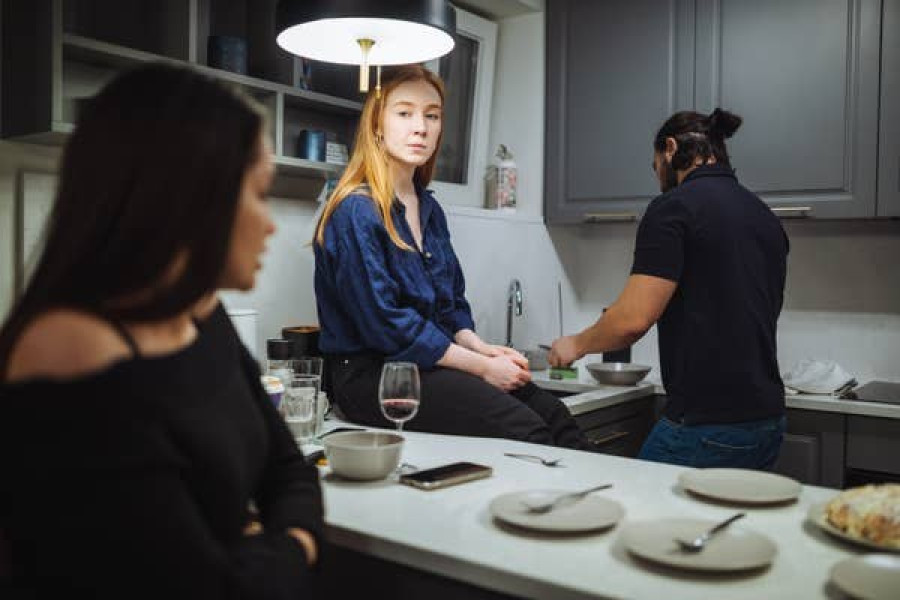
One person described watching a partner and friends on Ozempic struggle to eat more than a bite or two at restaurants. They were dealing with dizziness, nausea, diarrhea after meals, constant fullness, and a growing inability to feel pleasure.
That changed meals from a shared social activity into an uncomfortable production. Finishing a normal portion suddenly made the writer feel conspicuous, and the situation stirred up memories of a past eating disorder. The person wanted stronger regulation and less advertising that presents these medications as simple beauty products.
5. A Father’s Disappearance
A woman said her father had always struggled with depression, but his mood became much darker after starting a GLP-1. He grew detached, fought with his wife, then vanished for several hours with his phone turned off.
His family feared he had harmed himself and considered calling the police. He had lost weight, but his daughter was left wondering whether that outcome could possibly justify the emotional change. That is a terrible question to have to ask about someone you love.
6. Grief Became Manageable
A 68-year-old woman who began taking Zepbound said her mood became steadier. She was grieving the death of her daughter from cancer, and the pain did not disappear, but it no longer controlled every part of her life.
She also lost her cravings for food and alcohol. Her description was not “I forgot my grief.” It was closer to “I can carry it now,” which is a very different thing.
7. Thirty Pounds, Plus Everything Else
One woman’s mother became physically smaller after starting a GLP-1, but her family also saw her become emotionally smaller. She seemed listless, uninterested, and exhausted, and she stopped caring about food even though she had always loved cooking and eating.
After every injection, she reportedly became violently ill for three days. Her migraines also appeared to become much more frequent. She lost about 30 pounds, leaving her family to question whether the number was worth everything that came with it.

8. The Eighty-Pound Success Story
Not every account was frightening. A woman who had spent her adult life cycling through diets said she lost 80 pounds over two and a half years and finally felt healthy in a way that diet and exercise alone had never achieved.
Her swollen hands and feet improved before most of the weight came off, and her cravings eased dramatically. The early months brought emotional dullness, but she replaced boredom-eating with gardening and exercise. Eventually, at least eight of her friends started taking GLP-1 medications too.
9. When Anxiety Took Over
One person took a GLP-1 for only three or four months and described the experience as psychologically devastating. Severe anxiety, depression, brain fog, memory loss, and panic attacks sent them to the emergency room more than 10 times in one year.
They said there were days when speaking felt impossible and that they wanted to run away from the family they had built. The same person also reported hallucinations, delusions, and suicidal thoughts that continued even after stopping the medication. They ultimately called it the biggest regret of their life.

10. Confidence Did Not Come Back With the Weight
A woman who had gained roughly 100 pounds during years of pandemic stress, workplace uncertainty, and an earthquake later lost most of it on semaglutide. She expected to feel like her old self again.
Instead, she felt as though she had become a different version of herself. She looked older than expected, still did not recognize her reflection, and found that her confidence had not returned. She also said her libido, which had never been especially strong, disappeared completely. Losing weight solved one problem, but it did not restore the identity she thought was waiting underneath.

11. “Normal Feelings” Returned
A 70-year-old woman said she felt mentally clearer within a week of starting Zepbound. Her anxiety eased, food became simply food instead of an endless craving, and she could exist without constantly obsessing over what she would eat next.
Even if she never lost another pound, she said the medication would still be worthwhile because it allowed her to experience ordinary emotions at an ordinary volume. That is an unusually poetic review for a prescription medication.
12. The Price of Access
One person returned to paying out of pocket for GLP-1 medication after getting a steady job. Insurance rules made coverage difficult, and the approval process seemed so slow that they eventually used an online service instead.
Beyond reduced junk-food cravings, they noticed fewer impulse purchases. They waited for prices to drop, compared deals, used rewards programs, saved on groceries, and stopped relying on fast food except occasionally. For them, the medication changed not only eating habits but also spending habits.
13. A Daughter’s Stability
A mother said her daughter had struggled with mental-health issues, alcohol, food, and stress. The family paid full price for Wegovy because they believed gaining control was urgent.
After starting treatment, the daughter reportedly stopped drinking, stopped overeating, and became far more stable. Stress no longer overwhelmed her as easily, and the extreme mood changes around her menstrual cycle eased. Her family considered the medication worthwhile even without the weight loss, though the cost remained painful.
14. The Drug That Made Him Disappear
One woman said her husband was prescribed Ozempic after slightly elevated blood sugar. He lost 40 pounds in two months, but he also nearly stopped eating and communicating. She described him as emotionally absent from his own life.
Mounjaro was somewhat easier for him, but severe constipation and diarrhea followed. After they reviewed his medications and removed some that worsened dehydration, he switched to Jardiance and improved. His wife’s warning was simple: do not let someone close to you disappear into a treatment that is clearly not working for them.
15. Exercise Became an Extreme Sport
A stepfather with diabetes began taking Zepbound and developed what his family saw as an obsessive relationship with exercise. He worked out for an hour before going to the gym, stayed there for three or four hours, then went to physical therapy and tai chi.
His mother became alarmed as he lost a dramatic amount of weight and began looking skeletal, especially since he had been only about 10 pounds overweight when he started. The family expected weight loss. They did not expect a full-time fitness schedule that sounded like several people sharing one calendar.
16. The Good, the Bad, and the Very Flat
A person who had used GLP-1 medications for nearly four years said the benefits were substantial: better health markers, improved running ability, and a wedding ring that finally fit again after years of being unworn.
There was one catch. Life felt emotionally flatter while taking the medication. The person still preferred that trade-off because the physical improvements were so significant. Their closing line summed it up with grim efficiency: “But so am I.”
Have GLP-1 medications changed something in your life that had nothing to do with the number on the scale?
These are firsthand accounts involving Ozempic, Wegovy, Mounjaro, Zepbound, and similar medications. Some describe life-changing relief. Others describe side effects that made weight loss seem like a terrible bargain.
Content note: The stories below mention eating disorders, addiction, depression, and suicidal thoughts.
1. A New Lease on Life
After a devastating divorce and the death of her 24-year-old daughter, one woman said she stopped caring whether she lived. She was drinking, smoking, making reckless choices, and taking heavy psychiatric medication without feeling any relief.
She started a GLP-1 partly to lose weight, but said the effects went much deeper. She stopped drinking and smoking, found a part-time job, began thinking about the future, and became functional again. She still grieves her daughter every day, but says she can finally cope. For her, the weight loss was almost beside the point.
2. The Medical Warning
A woman’s husband took a GLP-1 for about a year and a half, and the medication appeared to mask symptoms of colon cancer. An annual physical showed that he was severely anemic.
Further testing found the cancer. Without that yearly bloodwork, his family might have blamed everything on the medication and missed the diagnosis. Her advice was blunt: use these drugs under medical supervision, go to follow-up appointments, and do not buy a mystery package online.
3. The Target Run Without Extra Treats
A person with ADHD could not tolerate standard ADHD medications because they triggered panic and other mental-health problems. After starting Wegovy, the weight loss was modest, but the change in impulse control was enormous.
They could walk into Target for one planned item and leave without several unnecessary “little treats.” They could choose food based on the energy it would provide instead of chasing the option that sounded sweetest. The feeling, they said, was like getting back behind the wheel of their own mind.
4. When Meals Stop Being Social
One person described watching a partner and friends on Ozempic struggle to eat more than a bite or two at restaurants. They were dealing with dizziness, nausea, diarrhea after meals, constant fullness, and a growing inability to feel pleasure.
That changed meals from a shared social activity into an uncomfortable production. Finishing a normal portion suddenly made the writer feel conspicuous, and the situation stirred up memories of a past eating disorder. The person wanted stronger regulation and less advertising that presents these medications as simple beauty products.
5. A Father’s Disappearance
A woman said her father had always struggled with depression, but his mood became much darker after starting a GLP-1. He grew detached, fought with his wife, then vanished for several hours with his phone turned off.
His family feared he had harmed himself and considered calling the police. He had lost weight, but his daughter was left wondering whether that outcome could possibly justify the emotional change. That is a terrible question to have to ask about someone you love.
6. Grief Became Manageable
A 68-year-old woman who began taking Zepbound said her mood became steadier. She was grieving the death of her daughter from cancer, and the pain did not disappear, but it no longer controlled every part of her life.
She also lost her cravings for food and alcohol. Her description was not “I forgot my grief.” It was closer to “I can carry it now,” which is a very different thing.
7. Thirty Pounds, Plus Everything Else
One woman’s mother became physically smaller after starting a GLP-1, but her family also saw her become emotionally smaller. She seemed listless, uninterested, and exhausted, and she stopped caring about food even though she had always loved cooking and eating.
After every injection, she reportedly became violently ill for three days. Her migraines also appeared to become much more frequent. She lost about 30 pounds, leaving her family to question whether the number was worth everything that came with it.
8. The Eighty-Pound Success Story
Not every account was frightening. A woman who had spent her adult life cycling through diets said she lost 80 pounds over two and a half years and finally felt healthy in a way that diet and exercise alone had never achieved.
Her swollen hands and feet improved before most of the weight came off, and her cravings eased dramatically. The early months brought emotional dullness, but she replaced boredom-eating with gardening and exercise. Eventually, at least eight of her friends started taking GLP-1 medications too.
9. When Anxiety Took Over
One person took a GLP-1 for only three or four months and described the experience as psychologically devastating. Severe anxiety, depression, brain fog, memory loss, and panic attacks sent them to the emergency room more than 10 times in one year.
They said there were days when speaking felt impossible and that they wanted to run away from the family they had built. The same person also reported hallucinations, delusions, and suicidal thoughts that continued even after stopping the medication. They ultimately called it the biggest regret of their life.
10. Confidence Did Not Come Back With the Weight
A woman who had gained roughly 100 pounds during years of pandemic stress, workplace uncertainty, and an earthquake later lost most of it on semaglutide. She expected to feel like her old self again.
Instead, she felt as though she had become a different version of herself. She looked older than expected, still did not recognize her reflection, and found that her confidence had not returned. She also said her libido, which had never been especially strong, disappeared completely. Losing weight solved one problem, but it did not restore the identity she thought was waiting underneath.
11. “Normal Feelings” Returned
A 70-year-old woman said she felt mentally clearer within a week of starting Zepbound. Her anxiety eased, food became simply food instead of an endless craving, and she could exist without constantly obsessing over what she would eat next.
Even if she never lost another pound, she said the medication would still be worthwhile because it allowed her to experience ordinary emotions at an ordinary volume. That is an unusually poetic review for a prescription medication.
12. The Price of Access
One person returned to paying out of pocket for GLP-1 medication after getting a steady job. Insurance rules made coverage difficult, and the approval process seemed so slow that they eventually used an online service instead.
Beyond reduced junk-food cravings, they noticed fewer impulse purchases. They waited for prices to drop, compared deals, used rewards programs, saved on groceries, and stopped relying on fast food except occasionally. For them, the medication changed not only eating habits but also spending habits.
13. A Daughter’s Stability
A mother said her daughter had struggled with mental-health issues, alcohol, food, and stress. The family paid full price for Wegovy because they believed gaining control was urgent.
After starting treatment, the daughter reportedly stopped drinking, stopped overeating, and became far more stable. Stress no longer overwhelmed her as easily, and the extreme mood changes around her menstrual cycle eased. Her family considered the medication worthwhile even without the weight loss, though the cost remained painful.
14. The Drug That Made Him Disappear
One woman said her husband was prescribed Ozempic after slightly elevated blood sugar. He lost 40 pounds in two months, but he also nearly stopped eating and communicating. She described him as emotionally absent from his own life.
Mounjaro was somewhat easier for him, but severe constipation and diarrhea followed. After they reviewed his medications and removed some that worsened dehydration, he switched to Jardiance and improved. His wife’s warning was simple: do not let someone close to you disappear into a treatment that is clearly not working for them.
15. Exercise Became an Extreme Sport
A stepfather with diabetes began taking Zepbound and developed what his family saw as an obsessive relationship with exercise. He worked out for an hour before going to the gym, stayed there for three or four hours, then went to physical therapy and tai chi.
His mother became alarmed as he lost a dramatic amount of weight and began looking skeletal, especially since he had been only about 10 pounds overweight when he started. The family expected weight loss. They did not expect a full-time fitness schedule that sounded like several people sharing one calendar.
16. The Good, the Bad, and the Very Flat
A person who had used GLP-1 medications for nearly four years said the benefits were substantial: better health markers, improved running ability, and a wedding ring that finally fit again after years of being unworn.
There was one catch. Life felt emotionally flatter while taking the medication. The person still preferred that trade-off because the physical improvements were so significant. Their closing line summed it up with grim efficiency: “But so am I.”
Have GLP-1 medications changed something in your life that had nothing to do with the number on the scale?