
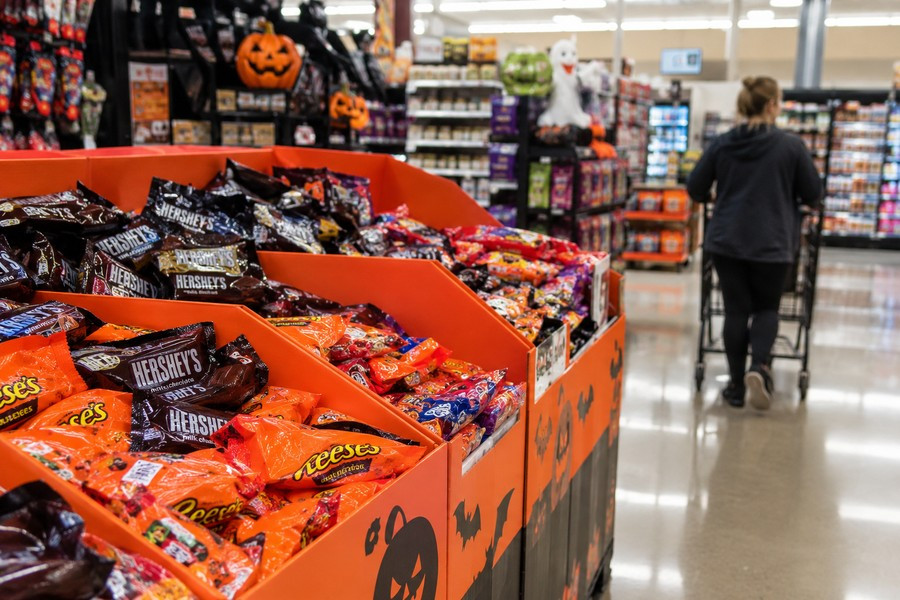
High Candy Prices Put a Chill on Halloween Shopping
Halloween candy sales are starting slowly as families face rising living costs and much higher prices for chocolate. Many shoppers are spending more on basic needs, leaving less money for holiday treats.
Candy Sales Drop as Budgets Tighten
Sales of Halloween candy fell 6.7% during a recent four-week period compared with the same period a year earlier. Sales had also dropped 11.7% during an earlier stretch, wiping out the early gains seen during the previous two Halloween seasons.
Higher costs for gasoline, housing, clothing, and food are making people more careful with their money. The average price of regular gasoline reached $4.29 per gallon, nearly 40% higher than the year before.
For many families, the problem is not only that candy costs more. Their budgets have already been squeezed by other expenses. After paying for fuel, groceries, and housing, some shoppers may not have enough money left for Halloween candy at all.
Smaller Bags Are Selling Better
Smaller packages are the only candy size showing sales growth. Large and extra-large bags are seeing the sharpest declines as shoppers look for ways to spend less.
That shift shows how consumers are changing their shopping habits. Instead of buying a large package for parties, trick-or-treaters, or family gatherings, shoppers may be choosing smaller amounts that fit their budgets.
- Small bags are seeing the strongest sales performance.
- Large and extra-large bags are facing the biggest drops.
- Families are watching prices more closely before buying seasonal treats.
Chocolate Costs Have Climbed Sharply
Candy prices have increased much faster than many other grocery prices. Over a five-year period, prices for candy and gum rose 44%. During that same period, prices for food prepared and eaten at home increased 22.5%.
Chocolate has been especially affected because cocoa prices have reached extreme levels. Cocoa prices rose to a record $10,710 per metric ton after poor weather damaged crops in West Africa, the region that supplies about 70% of the world’s cocoa.
Trading activity in the cocoa futures market also pushed prices higher. Cocoa prices later fell to about $3,241 per metric ton, but they began rising again as conflict in the Middle East disrupted fertilizer supplies headed to African farming areas.
The El Niño weather pattern may create another challenge. Hot and dry conditions are expected to hurt cocoa production, adding more pressure to the supply of the key ingredient used to make chocolate.
Variety Packs Cost More
The higher cost of chocolate can be seen in large variety packs. One discount grocery store advertised a 135-piece package of assorted chocolate bars for $19.87. That price is nearly equal to what shoppers paid for a 250-piece package about five years earlier.
In other words, consumers may now pay almost the same amount for far fewer pieces. That makes large packages harder to justify for families already dealing with higher household bills.
Lower Prices Have Not Increased Demand
Non-chocolate candy, such as gummies and lollipops, has also struggled to attract more buyers. The average price for these products was about $6.08 per pound, roughly 3% lower than the previous year.
Even with that small price decrease, sales did not rise. This suggests that shoppers are being cautious about more than candy prices. Their overall budgets may be too tight to support extra holiday spending, even when certain products become cheaper.
Shoppers May Be Waiting Longer
Many Americans are making smaller and more frequent trips to the grocery store. They are also buying items closer to the time they plan to use them. That trend could mean some families are waiting until just before Halloween to purchase candy.
Shoppers are becoming more deliberate about what they buy for holidays and everyday meals. They may compare prices, choose smaller packages, or delay purchases until they are needed.
Holiday candy sales may remain weaker overall, but that does not mean Halloween spending will disappear. Some consumers could still make last-minute purchases as the holiday gets closer.
Candy Makers Remain Hopeful
A national trade group representing candy makers remains confident about the season. The group says the busiest shopping period is still ahead and that excitement about Halloween remains strong.
That optimism depends on late shoppers returning to stores. If families wait until the final days before Halloween, sales could improve. Still, higher food, fuel, and housing costs are likely to keep many consumers focused on value.
For now, the Halloween candy market reflects a wider change in household spending: people still want to celebrate, but they are looking for smaller purchases and lower costs.