
Ten miles into a five-day mountain bike trip, Jon Kortmansky stopped on a ridge and couldn’t make himself pedal another inch. He’d never ridden a gravel bike before, and he was grieving his wife, Lori. Then a woman in a blue cycling jersey rolled up and asked what had brought him there.
“My wife died,” he told her. “And she told me to say ‘yes’ to everything, so here I am.”
The four-word note that sent him onto that mountain was tucked among the diaries and messages Lori left behind. It didn’t make the ride easier. But it gave Jon a reason to keep going—and, eventually, to wonder what else he might say yes to.
The trip he never wanted
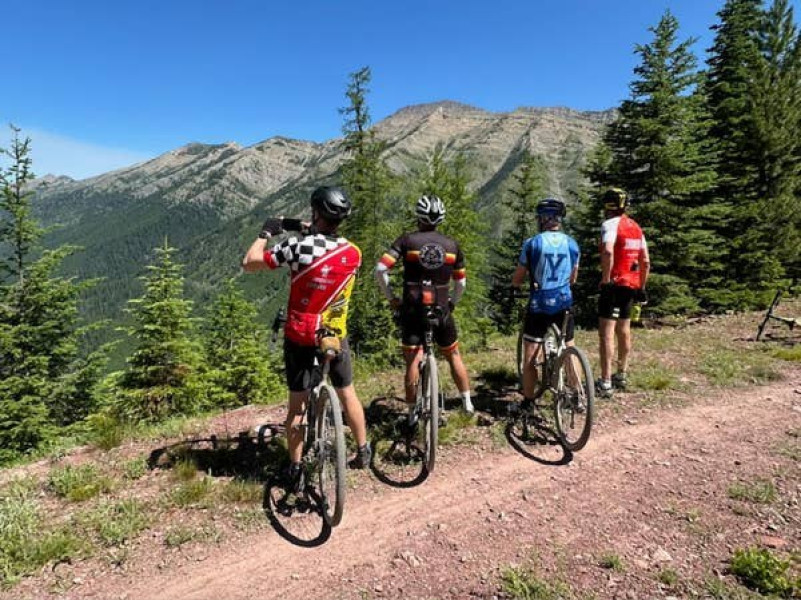
Jon had joined his brother for a five-day gravel bike trip in Montana: 250 miles and 25,000 feet of elevation. He had never ridden a gravel bike before. Being athletic, he discovered, is not the same as being ready to climb mountains for days while dodging loose gravel and sharp rocks.
He felt physically spent and emotionally worse. The other riders seemed to belong out there. Jon felt alone, angry, and battered by the terrain and by all the reasons he’d agreed to come.
Ten miles into the first day, he stopped on a ridge, unable to will himself forward. The woman in the blue jersey, yellow helmet, and pink-tinted glasses rode up beside him. She looked relaxed on her bike. Jon felt like every part of him had locked up.
“What brings you here?” she asked with a smile.
It was a simple question. Jon had no simple answer. The others took trips like this every year. They loved the mountains, glacial lakes, campsites, and climbs. Jon didn’t ride. He’d never done anything like this. He wasn’t even sure why he was there.
Still, something about her made him tell the truth.
“My wife died,” he said. “And she told me to say ‘yes’ to everything, so here I am.”
She nodded as if she understood. Then she offered her own shorthand for the trip: “This is my Divorce Camp.” They stood together in a silence as wide as the sky.
When she rode away, she made the trail look easy. Jon followed with aching shoulders, numb hands, grinding brakes, and a pounding heart. His brother caught up and offered advice: loosen his arms, relax his pedal strokes, sit back in the saddle, and stop fighting the terrain.
“I’ll do better tomorrow,” Jon promised.
“You’re already doing better,” his brother told him. “You’ve got this.”
Jon decided to take his word for it. It was the kind of reassurance he’d once offered someone else, even when he didn’t believe it himself.
The words Lori left behind
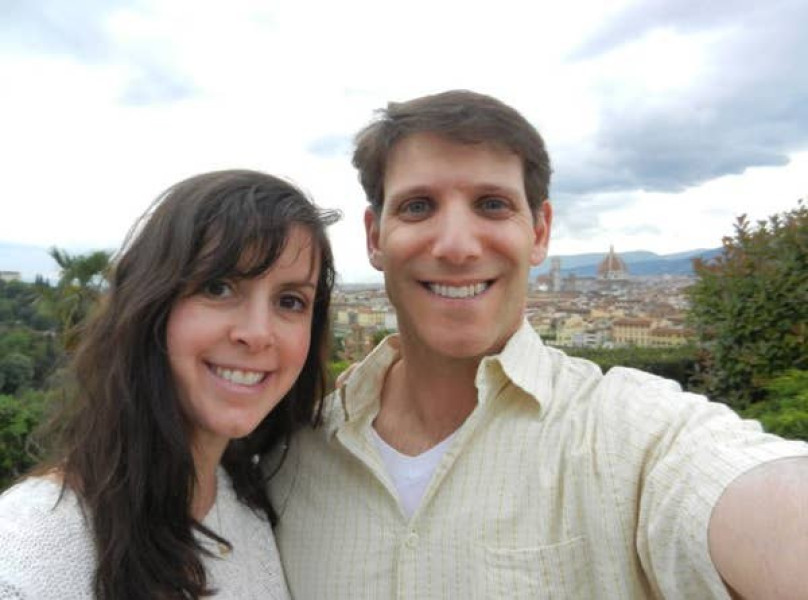
Lori died during the COVID pandemic after living with a brain tumor for 23 years. She was 28 when she was diagnosed, and the tumor was expected to kill her within months. Instead, she and Jon navigated two decades of uncertain scans and shifting hopes, picking themselves up when life knocked them down.
They lived in three-month stretches between MRIs. They traveled, skied, hiked, and ate out. Some scans brought a brief reprieve; others brought devastating news. The uncertainty didn’t stop them from living.
Lori had an appetite for life Jon had never seen anyone match. He was just as determined to help her through every new challenge and enjoy their time together. When she died, he kept going, but didn’t know how to live without her.
One of the few comforts in that first year was reading the writing she had left behind. Lori had filled diaries and thousands of notes. Jon had assumed many were reminders, because her short-term memory had become impaired. They were much more: messages to him and friends, poems, quotes, worries, secrets, hopes, and promises.
He spent mornings and evenings on the couch sorting through them. “Never in a million years would I have read her diaries or private notes when she was alive,” he thought. Now they felt like another part of the conversation that had started when they met on a college quad. Lori still had plenty to say.
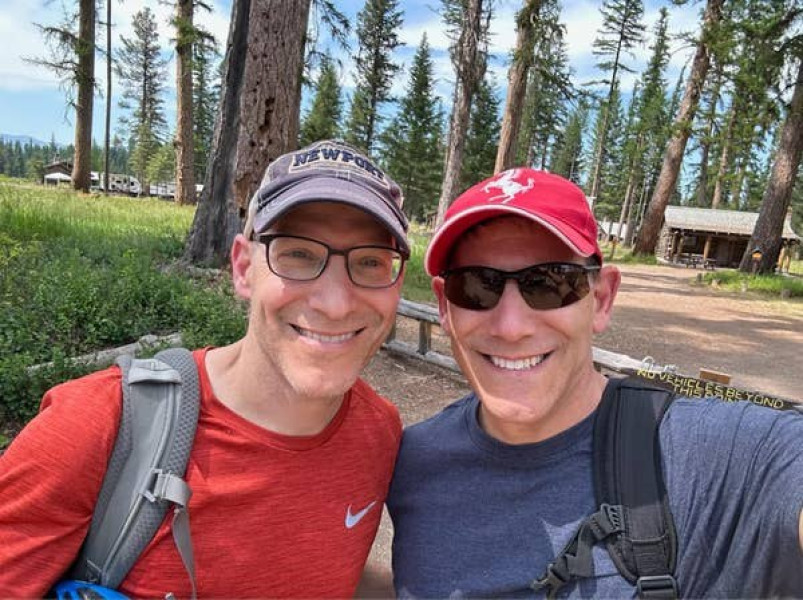
He read about the men she’d dated before him and about his arrival in her life. In one entry, Lori had decided he was the right person to marry: the one she wanted to spend her life with, raise children with, and grow old beside.
She wrote about fear, too. Early on, she noted, “It’s funny, you don’t realize how strong you are until something tries to take that away.” She wasn’t always calm or stoic. Her pages held hope for better days and a heartbreaking fear of “ending.”
Some memories made Jon laugh. Lori’s account of their first visit to a sex shop made him laugh until he cried. But a message she’d scribbled on a napkin stopped him cold:
Say Yes to Everything!
Jon realized how much he’d relied on Lori’s eagerness for life to carry them both through hard years. Even as her brain and body lost abilities, she kept finding humor, joy, and adventure in being alive.
So he promised her he would try.
Learning to loosen his grip
Keeping that promise was harder than it sounded. Jon said yes to invitations he didn’t want to accept, places he didn’t want to go, opportunities he didn’t want to take, and people he didn’t want to meet.
On the third evening of the bike trip, he told the woman from the trail why he’d said yes to the adventure. In his phone, she was saved as “NW Bike Trip Montana,” his private code for someone he’d met while learning how to date again after 30 years of marriage.
She listened. Then she asked him about Lori—not about the illness or how she died, but where they’d met, what they liked to do, and what made Lori special. Those were the questions that mattered to Jon. As he told the stories, he realized he could connect with someone intimately again. He hadn’t known that was possible.
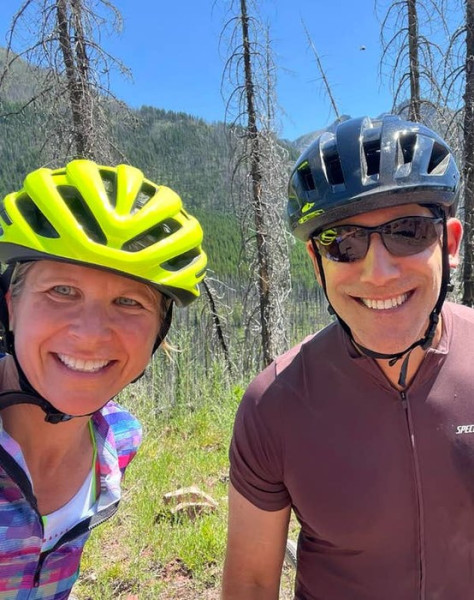
Over the rest of the trip, the rides got longer and tougher. The climbs steepened. The descents ran over single-track trails littered with trees, branches, and rocks, with few obvious chances to slow down.
Jon began to find a rhythm. He relaxed, tried harder routes, and pushed himself on the climbs. Other riders caught up, told him he was doing well, and chatted until the trail pulled them apart. The stretches alone stopped feeling quite so lonely.
The mountains and sky could still bring him to tears, but for different reasons. Once, he passed a smiley face drawn in the dirt and smiled back.
After each day’s ride, the group put on swimsuits, grabbed beers, and floated in inner tubes on a glacial lake. They talked about life, hopes, dreams, disappointments, and all the turns that had brought them there. Jon mostly listened, but began sharing more. His brother smiled as they clinked bottles. He knew what it had taken for Jon to feel ready to float.
A new kind of yes
On the next-to-last night, Jon asked the woman about her life—not the details of her divorce, but who she was and how she saw the world. She spoke about difficult parts, and about trying to find something good in every turn, even the unfair ones. It sounded like a lesson from the life Jon had shared with Lori, one he’d lost sight of after she died.
Almost a year later, “NW Bike Trip Montana” still appears on his phone with a text or FaceTime call. They are more than friends, but not something serious. Jon is a widower in New York City; she is a divorcee in Vermont. Their lives are complicated by everything that came before, but they still connect.
The trip didn’t heal Jon, and he doesn’t claim it did. It helped him notice when he was gripping too tightly and practice letting go. Sometimes now he can look around and realize he’s better than okay.
He doesn’t have to pretend to be curious about what comes next. He actually is.
What’s something you once said yes to reluctantly that ended up changing how you saw your life?
“My wife died,” he told her. “And she told me to say ‘yes’ to everything, so here I am.”
The four-word note that sent him onto that mountain was tucked among the diaries and messages Lori left behind. It didn’t make the ride easier. But it gave Jon a reason to keep going—and, eventually, to wonder what else he might say yes to.
The trip he never wanted
Jon had joined his brother for a five-day gravel bike trip in Montana: 250 miles and 25,000 feet of elevation. He had never ridden a gravel bike before. Being athletic, he discovered, is not the same as being ready to climb mountains for days while dodging loose gravel and sharp rocks.
He felt physically spent and emotionally worse. The other riders seemed to belong out there. Jon felt alone, angry, and battered by the terrain and by all the reasons he’d agreed to come.
Ten miles into the first day, he stopped on a ridge, unable to will himself forward. The woman in the blue jersey, yellow helmet, and pink-tinted glasses rode up beside him. She looked relaxed on her bike. Jon felt like every part of him had locked up.
“What brings you here?” she asked with a smile.
It was a simple question. Jon had no simple answer. The others took trips like this every year. They loved the mountains, glacial lakes, campsites, and climbs. Jon didn’t ride. He’d never done anything like this. He wasn’t even sure why he was there.
Still, something about her made him tell the truth.
“My wife died,” he said. “And she told me to say ‘yes’ to everything, so here I am.”
She nodded as if she understood. Then she offered her own shorthand for the trip: “This is my Divorce Camp.” They stood together in a silence as wide as the sky.
When she rode away, she made the trail look easy. Jon followed with aching shoulders, numb hands, grinding brakes, and a pounding heart. His brother caught up and offered advice: loosen his arms, relax his pedal strokes, sit back in the saddle, and stop fighting the terrain.
“I’ll do better tomorrow,” Jon promised.
“You’re already doing better,” his brother told him. “You’ve got this.”
Jon decided to take his word for it. It was the kind of reassurance he’d once offered someone else, even when he didn’t believe it himself.
The words Lori left behind
Lori died during the COVID pandemic after living with a brain tumor for 23 years. She was 28 when she was diagnosed, and the tumor was expected to kill her within months. Instead, she and Jon navigated two decades of uncertain scans and shifting hopes, picking themselves up when life knocked them down.
They lived in three-month stretches between MRIs. They traveled, skied, hiked, and ate out. Some scans brought a brief reprieve; others brought devastating news. The uncertainty didn’t stop them from living.
Lori had an appetite for life Jon had never seen anyone match. He was just as determined to help her through every new challenge and enjoy their time together. When she died, he kept going, but didn’t know how to live without her.
One of the few comforts in that first year was reading the writing she had left behind. Lori had filled diaries and thousands of notes. Jon had assumed many were reminders, because her short-term memory had become impaired. They were much more: messages to him and friends, poems, quotes, worries, secrets, hopes, and promises.
He spent mornings and evenings on the couch sorting through them. “Never in a million years would I have read her diaries or private notes when she was alive,” he thought. Now they felt like another part of the conversation that had started when they met on a college quad. Lori still had plenty to say.
He read about the men she’d dated before him and about his arrival in her life. In one entry, Lori had decided he was the right person to marry: the one she wanted to spend her life with, raise children with, and grow old beside.
She wrote about fear, too. Early on, she noted, “It’s funny, you don’t realize how strong you are until something tries to take that away.” She wasn’t always calm or stoic. Her pages held hope for better days and a heartbreaking fear of “ending.”
Some memories made Jon laugh. Lori’s account of their first visit to a sex shop made him laugh until he cried. But a message she’d scribbled on a napkin stopped him cold:
Say Yes to Everything!
Jon realized how much he’d relied on Lori’s eagerness for life to carry them both through hard years. Even as her brain and body lost abilities, she kept finding humor, joy, and adventure in being alive.
So he promised her he would try.
Learning to loosen his grip
Keeping that promise was harder than it sounded. Jon said yes to invitations he didn’t want to accept, places he didn’t want to go, opportunities he didn’t want to take, and people he didn’t want to meet.
On the third evening of the bike trip, he told the woman from the trail why he’d said yes to the adventure. In his phone, she was saved as “NW Bike Trip Montana,” his private code for someone he’d met while learning how to date again after 30 years of marriage.
She listened. Then she asked him about Lori—not about the illness or how she died, but where they’d met, what they liked to do, and what made Lori special. Those were the questions that mattered to Jon. As he told the stories, he realized he could connect with someone intimately again. He hadn’t known that was possible.
Over the rest of the trip, the rides got longer and tougher. The climbs steepened. The descents ran over single-track trails littered with trees, branches, and rocks, with few obvious chances to slow down.
Jon began to find a rhythm. He relaxed, tried harder routes, and pushed himself on the climbs. Other riders caught up, told him he was doing well, and chatted until the trail pulled them apart. The stretches alone stopped feeling quite so lonely.
The mountains and sky could still bring him to tears, but for different reasons. Once, he passed a smiley face drawn in the dirt and smiled back.
After each day’s ride, the group put on swimsuits, grabbed beers, and floated in inner tubes on a glacial lake. They talked about life, hopes, dreams, disappointments, and all the turns that had brought them there. Jon mostly listened, but began sharing more. His brother smiled as they clinked bottles. He knew what it had taken for Jon to feel ready to float.
A new kind of yes
On the next-to-last night, Jon asked the woman about her life—not the details of her divorce, but who she was and how she saw the world. She spoke about difficult parts, and about trying to find something good in every turn, even the unfair ones. It sounded like a lesson from the life Jon had shared with Lori, one he’d lost sight of after she died.
Almost a year later, “NW Bike Trip Montana” still appears on his phone with a text or FaceTime call. They are more than friends, but not something serious. Jon is a widower in New York City; she is a divorcee in Vermont. Their lives are complicated by everything that came before, but they still connect.
The trip didn’t heal Jon, and he doesn’t claim it did. It helped him notice when he was gripping too tightly and practice letting go. Sometimes now he can look around and realize he’s better than okay.
He doesn’t have to pretend to be curious about what comes next. He actually is.
What’s something you once said yes to reluctantly that ended up changing how you saw your life?