
“The woman I fell in love with isn’t there anymore.” That is how one 40-year-old husband described his wife’s perimenopause, while he sat alone in bed crying so hard she slept in their child’s room.
Before anyone reaches for the pitchforks, this is not a simple “man upset because his wife is aging” story. It is messier than that. There is depression, five years without sex, a marriage that used to involve spontaneous passion “like animals,” and a husband insisting he is still youthful because he skateboards, plays in bands, parties, has no gray hair, and only a slightly softer six-pack than he had at 25.
Yes, that last detail is doing a lot of work.
His wife recently entered perimenopause, and he says he has tried to be supportive in every possible way. He has been helpful, caring, sympathetic, and, in his words, treated her “less than my princess” never. But while he has focused on helping her survive the hormonal chaos, he says he has quietly fallen apart himself.
He says society keeps telling him that the situation is not about him. His answer is basically: “Well, now it is about me.”
He says he has developed crippling depression, seen psychologists and psychiatrists, tried every antidepressant imaginable, and gone through therapy. He feels too young to be experiencing this kind of grief and exhaustion. In his mind, he is still in his prime. His body is still in great shape. He can still skateboard, play music, and party like he is in his twenties.
So why does he feel old?
Because the marriage he remembers seems to have disappeared.
The Passion Vanished
According to him, they once had sex spontaneously, everywhere, with plenty of laughter and excitement. Then her libido disappeared. He says they have not had sex in five years, and he does not believe it is coming back.
But he is not only mourning sex. He says her sense of humor is gone. The fun is gone. The joy is gone. The easy, playful connection they once had has been replaced by tension and distance.

That is why his most dramatic line is also the one that explains his pain: “The woman I fell in love with isn’t there anymore.”
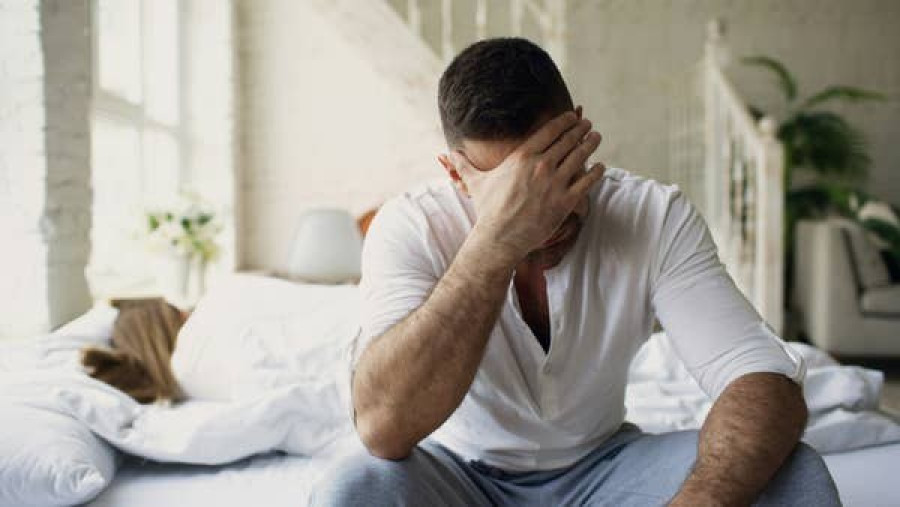
He says he is writing all of this while literally bawling in bed, alone, as his wife sleeps in their child’s room. That image is hard to ignore. Two people in the same family, both apparently struggling, sleeping in separate rooms, and neither one feeling fully seen.
“You’re Allowed to Feel This”
One commenter responded with sympathy but also a warning: relationships change. They go through transitions, rough patches, unexpected turns, and long stretches where neither person feels like the version they were years earlier.
Expecting a relationship to remain permanently frozen in its honeymoon-era form is a guaranteed way to end up disappointed. That does not mean the husband’s pain is fake. It means the old version of the relationship may not simply return because everyone wishes hard enough.
Another person said the husband’s story felt painfully familiar. They described more than 10 years of postpartum depression, illnesses, raising children, and now perimenopause. They had hoped treatment might restore some stability, but instead they missed the old relationship too: the fun, the lightness, the feeling that home was not constantly tense.
That comment landed because it showed this is not necessarily one man being dramatic. Sometimes partners really do become exhausted caregivers, emotional shock absorbers, and quiet casualties of a long-running health crisis.
The Conversation He Kept Avoiding

Another commenter shared a story about having serious health struggles after having children. Her husband had eventually sat down with her and admitted, through tears, how burned out and stressed he had become.
He had been trying so hard to prioritize her needs that he stopped talking about his own. She did not understand how badly he was doing because he kept minimizing it. Once he finally said it out loud, she became more aware of the imbalance and started making a greater effort to contribute to the relationship.
That may be the uncomfortable heart of this whole debate: support does not have to mean pretending nothing is happening to you. A partner can be sick, overwhelmed, hormonal, exhausted, and deserving of compassion while the other partner is also lonely, depressed, and desperate for help.

The commenter also urged the wife to speak with her gynecologist about the libido issue because something else could be contributing. They suggested individual therapy too, especially if she is not already receiving support. The husband may need help, but the wife should not be left alone with symptoms that could possibly be treated.
“I Still Want to Have Fun”
One husband who has been married for 30 years said he understood the fear of watching a spouse change. His wife is more anxious than she used to be, and although she hates that change in herself, it still affects him. He still wants to have fun with her, and right now, they are not doing that.
That is a surprisingly vulnerable thing to admit. Not “I want my young wife back.” Not “She owes me sex.” Just: I still want a life with the person I love, and I miss enjoying it together.

Another commenter said his wife had been in perimenopause for six or seven years. Physical affection declined around the same time, even though they still loved each other deeply and worked well as partners and parents.
They sometimes scheduled sex, but life kept interfering. Her periods became extremely heavy and lasted twice as long. Migraines, backaches, and general sickness often made intimacy impossible, let alone enjoyable. He admitted he worried about it more than he should, then reminded himself that she was still “his girl” and that the situation was ultimately outside his control.
Or Is This a Midlife Crisis?
Then came the response guaranteed to make people sit up.

One commenter argued that there might be more going on than his wife’s menopause. The husband keeps emphasizing that he is an active 40-year-old who skateboards, plays in bands, and goes out. To this commenter, the story sounded partly like a midlife crisis.
Maybe he is not only grieving his wife’s changes. Maybe he is confronting his own aging and discovering that the hobbies, body, freedom, and identity he used to rely on do not feel exactly the same anymore. Maybe his wife is not merely “unsupportive.” Maybe she is being realistic about what their life can handle now.
The advice was blunt: “If you’re not happy with yourself, how can you be happy with someone else?”
Instead of obsessing over everything that has changed, he should figure out what he genuinely enjoys now. He should work on himself before demanding that his wife become the person she used to be. After all, if he collapses completely, who will she have to rely on when she needs support?

Both People Can Be Hurting
The most balanced response compared perimenopause to a chronic illness. The person experiencing it is obviously suffering, but the partner and support system can also develop depression, burnout, loneliness, and grief.
Both people are allowed to have feelings. Both people may need treatment. Both people may need therapy. And even if the symptoms eventually improve, neither person will be exactly who they were before.
Then someone else responded with pure outrage, pointing out that men already have “ALL the rights” and asking why this husband supposedly needs even more.
And there it is: the argument in one sentence. Is this man bravely admitting that partners of women going through perimenopause need support too, or is he making his wife’s medical transition about his own lost access to sex, fun, and youthful romance?
What do you think: is his grief understandable, is he having a midlife crisis, or can both things be true at the same time?
Before anyone reaches for the pitchforks, this is not a simple “man upset because his wife is aging” story. It is messier than that. There is depression, five years without sex, a marriage that used to involve spontaneous passion “like animals,” and a husband insisting he is still youthful because he skateboards, plays in bands, parties, has no gray hair, and only a slightly softer six-pack than he had at 25.
Yes, that last detail is doing a lot of work.
His wife recently entered perimenopause, and he says he has tried to be supportive in every possible way. He has been helpful, caring, sympathetic, and, in his words, treated her “less than my princess” never. But while he has focused on helping her survive the hormonal chaos, he says he has quietly fallen apart himself.
He says society keeps telling him that the situation is not about him. His answer is basically: “Well, now it is about me.”
He says he has developed crippling depression, seen psychologists and psychiatrists, tried every antidepressant imaginable, and gone through therapy. He feels too young to be experiencing this kind of grief and exhaustion. In his mind, he is still in his prime. His body is still in great shape. He can still skateboard, play music, and party like he is in his twenties.
So why does he feel old?
Because the marriage he remembers seems to have disappeared.
The Passion Vanished
According to him, they once had sex spontaneously, everywhere, with plenty of laughter and excitement. Then her libido disappeared. He says they have not had sex in five years, and he does not believe it is coming back.
But he is not only mourning sex. He says her sense of humor is gone. The fun is gone. The joy is gone. The easy, playful connection they once had has been replaced by tension and distance.
That is why his most dramatic line is also the one that explains his pain: “The woman I fell in love with isn’t there anymore.”
He says he is writing all of this while literally bawling in bed, alone, as his wife sleeps in their child’s room. That image is hard to ignore. Two people in the same family, both apparently struggling, sleeping in separate rooms, and neither one feeling fully seen.
“You’re Allowed to Feel This”
One commenter responded with sympathy but also a warning: relationships change. They go through transitions, rough patches, unexpected turns, and long stretches where neither person feels like the version they were years earlier.
Expecting a relationship to remain permanently frozen in its honeymoon-era form is a guaranteed way to end up disappointed. That does not mean the husband’s pain is fake. It means the old version of the relationship may not simply return because everyone wishes hard enough.
Another person said the husband’s story felt painfully familiar. They described more than 10 years of postpartum depression, illnesses, raising children, and now perimenopause. They had hoped treatment might restore some stability, but instead they missed the old relationship too: the fun, the lightness, the feeling that home was not constantly tense.
That comment landed because it showed this is not necessarily one man being dramatic. Sometimes partners really do become exhausted caregivers, emotional shock absorbers, and quiet casualties of a long-running health crisis.
The Conversation He Kept Avoiding
Another commenter shared a story about having serious health struggles after having children. Her husband had eventually sat down with her and admitted, through tears, how burned out and stressed he had become.
He had been trying so hard to prioritize her needs that he stopped talking about his own. She did not understand how badly he was doing because he kept minimizing it. Once he finally said it out loud, she became more aware of the imbalance and started making a greater effort to contribute to the relationship.
That may be the uncomfortable heart of this whole debate: support does not have to mean pretending nothing is happening to you. A partner can be sick, overwhelmed, hormonal, exhausted, and deserving of compassion while the other partner is also lonely, depressed, and desperate for help.
The commenter also urged the wife to speak with her gynecologist about the libido issue because something else could be contributing. They suggested individual therapy too, especially if she is not already receiving support. The husband may need help, but the wife should not be left alone with symptoms that could possibly be treated.
“I Still Want to Have Fun”
One husband who has been married for 30 years said he understood the fear of watching a spouse change. His wife is more anxious than she used to be, and although she hates that change in herself, it still affects him. He still wants to have fun with her, and right now, they are not doing that.
That is a surprisingly vulnerable thing to admit. Not “I want my young wife back.” Not “She owes me sex.” Just: I still want a life with the person I love, and I miss enjoying it together.
Another commenter said his wife had been in perimenopause for six or seven years. Physical affection declined around the same time, even though they still loved each other deeply and worked well as partners and parents.
They sometimes scheduled sex, but life kept interfering. Her periods became extremely heavy and lasted twice as long. Migraines, backaches, and general sickness often made intimacy impossible, let alone enjoyable. He admitted he worried about it more than he should, then reminded himself that she was still “his girl” and that the situation was ultimately outside his control.
Or Is This a Midlife Crisis?
Then came the response guaranteed to make people sit up.
One commenter argued that there might be more going on than his wife’s menopause. The husband keeps emphasizing that he is an active 40-year-old who skateboards, plays in bands, and goes out. To this commenter, the story sounded partly like a midlife crisis.
Maybe he is not only grieving his wife’s changes. Maybe he is confronting his own aging and discovering that the hobbies, body, freedom, and identity he used to rely on do not feel exactly the same anymore. Maybe his wife is not merely “unsupportive.” Maybe she is being realistic about what their life can handle now.
The advice was blunt: “If you’re not happy with yourself, how can you be happy with someone else?”
Instead of obsessing over everything that has changed, he should figure out what he genuinely enjoys now. He should work on himself before demanding that his wife become the person she used to be. After all, if he collapses completely, who will she have to rely on when she needs support?
Both People Can Be Hurting
The most balanced response compared perimenopause to a chronic illness. The person experiencing it is obviously suffering, but the partner and support system can also develop depression, burnout, loneliness, and grief.
Both people are allowed to have feelings. Both people may need treatment. Both people may need therapy. And even if the symptoms eventually improve, neither person will be exactly who they were before.
Then someone else responded with pure outrage, pointing out that men already have “ALL the rights” and asking why this husband supposedly needs even more.
And there it is: the argument in one sentence. Is this man bravely admitting that partners of women going through perimenopause need support too, or is he making his wife’s medical transition about his own lost access to sex, fun, and youthful romance?
What do you think: is his grief understandable, is he having a midlife crisis, or can both things be true at the same time?